For more than forty years, you couldn't book a direct commercial flight from the United States to Lebanon. If you wanted to visit Beirut, you dealt with tedious layovers in Europe or the Middle East. That era is finally changing.
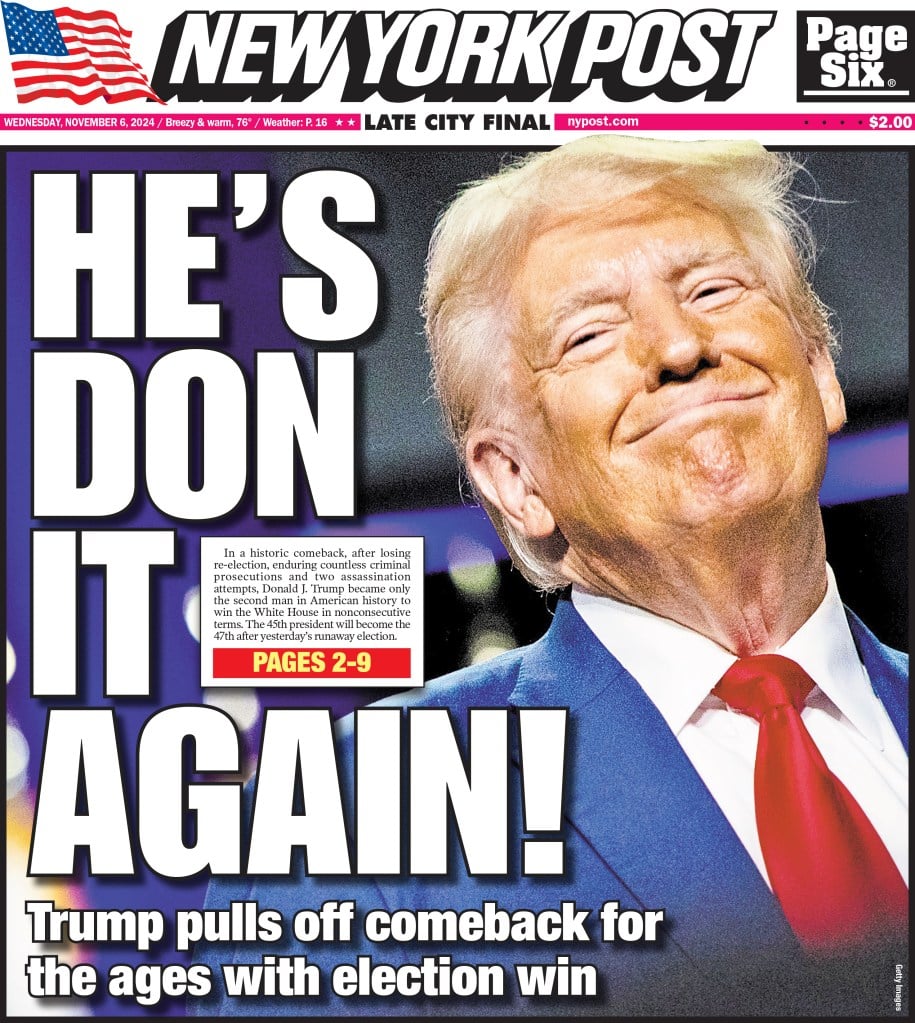
President Donald Trump announced a directive instructing his administration to let American carriers resume direct flights to Lebanon. This decision halts a prohibition that lasted over four decades. Meanwhile, you can find related events here: How Jason Crow Went From Army Ranger To Washington Power Broker.
Why did this ban exist in the first place? Let's look at the history, the politics, and what comes next.
The 1985 Turning Point
The story starts in June 1985. Ronald Reagan was in the White House, and Lebanon was torn apart by civil conflict. Trans World Airlines Flight 847, flying from Athens to Rome, was hijacked by operatives associated with Hezbollah. To understand the bigger picture, check out the excellent report by BBC News.
The plane ended up forced down at Beirut International Airport. What followed was a grueling seventeen-day hostage crisis. Robert Stethem, a United States Navy diver who happened to be a passenger on board, was murdered by the hijackers.
The security failures at Beirut's airport during that era were glaring. The Federal Aviation Administration responded with a strict, absolute ban on direct air travel between the United States and Lebanon.
For over forty years, that prohibition stood. Generations of travelers grew up knowing only indirect routes. Many assumed the lack of direct flights came down to low commercial demand or airline economics. That wasn't true. It was purely about security policy and a frozen diplomatic stance.
Why the Ban Is Lifting Now
Diplomacy moves slowly until it shifts abruptly. Following a high-profile White House meeting with Lebanese President Joseph Aoun, Trump announced the policy change on social media.
President Aoun traveled to Washington to secure long-term stability after months of heavy fighting involving Israel and Hezbollah. The political calculus shifted. The U.S. administration viewed this policy reversal as a way to support Lebanon's economy and make travel easier for the large Lebanese-American diaspora.
Even so, opening the skies doesn't happen overnight.
What Happens Before Planes Take Off
Lifting a presidential ban is only the first step. Before an American carrier flies a commercial jet into Beirut-Rafic Hariri International Airport, major regulatory hurdles must be cleared.
The Federal Aviation Administration and other federal agencies need to review current airport security protocols. They require rigorous safety certifications. Beirut's airport management is currently pushing forward with major modernization efforts, including plans for a massive new terminal to boost capacity.
Major U.S. airlines also face complex operational choices. Carriers like United, Delta, and American have historically paused or adjusted regional routes due to ongoing security anxieties across the Middle East. Airlines care about safety certifications, insurance rates, and passenger demand. They won't launch routes until the numbers make sense.
What This Means for Travelers
If you're planning a trip, don't expect direct flights to start tomorrow. Check the official Federal Aviation Administration updates and the State Department travel advisories before making plans.
The four-decade aviation freeze is ending. Keep an eye on airline schedules as security clearances progress.