A second New Yorker just died from a massive Legionnaires' disease cluster ripping through the Upper East Side. We're looking at 72 confirmed cases, dozens of hospitalizations, and an entire neighborhood on edge. City health officials claim the immediate threat is mostly contained, but this cluster proves something far more alarming about our urban infrastructure.
Our warming weather turns everyday city architecture into a breeding ground for deadly bacteria.
If you think this is just a routine maintenance failure, you're missing the bigger picture. The outbreak, centered in the Carnegie Hill and Yorkville neighborhoods, hit an unexpected patch of Manhattan. Historically, Legionnaires' clusters in the city hit lower-income neighborhoods like Harlem or the South Bronx, where aging water infrastructure is a constant battle. This time, the bacteria took hold in luxury high-rises, elite private schools, and world-famous cultural landmarks like the Guggenheim Museum.
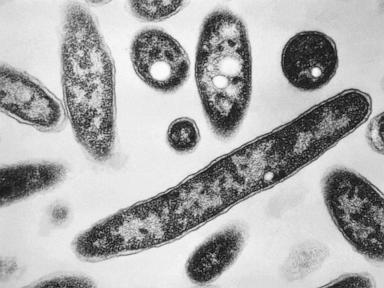
[Image of Legionella pneumophila bacteria]
The Reality Behind the Upper East Side Numbers
The New York City Health Department under Health Commissioner Dr. Alister F. Martin moved aggressively after tracking the initial cases. Officials sampled 183 building cooling towers across three wealthy zip codes (10028, 10128, and 10075).
Look at how the timeline and numbers actually played out:
- 72 Total Cases: The outbreak spiked dramatically in early July, averaging over eight new infections a day between July 2 and July 8.
- 76 Positive Buildings: Initial rapid PCR screenings found Legionella bacteria in dozens of cooling towers.
- Mass Remediation: The city forced every single positive building to scrub, drain, and flush their systems with heavy biocides within a strict 48-hour window.
- Current Status: Nine people remain hospitalized, 50 have thankfully been discharged, and new cases dropped to fewer than one per day, indicating the immediate environmental source is likely dead.
Two families are mourning dead loved ones because of an invisible mist floating down from Manhattan rooftops. That's unacceptable. It happens because we aren't built for the heat waves we're experiencing.
How Air Conditioners Turn Stagnant Water Deadly
Legionnaires' disease is a severe, multi-system form of pneumonia caused by the Legionella bacterium. The bug loves warm, stagnant water, usually thriving in environments between 68°F and 113°F.
You don't catch it from someone coughing on you. It doesn't spread person-to-person. Instead, you contract it by breathing in microscopic, contaminated water droplets. Large building cooling towers—the massive industrial air-conditioning components sitting on apartment and museum roofs—cool structures by evaporating water into the air. When a system lacks proper chemical treatment, it essentially acts as a giant nebulizer, pumping bacterial mist directly into the streets for pedestrians and residents to inhale.
Dr. Martin explicitly noted that New York is shifting toward a "subtropical climate." Our summers are longer, more humid, and hotter. When you couple extreme heat with older, complex plumbing and HVAC networks, you get an ideal incubator for outbreaks.
Recognizing the Signs Before It Is Too Late
Most healthy people exposed to Legionella won't get sick. But for vulnerable populations, the bacteria hits like a freight train. The mortality rate sits around 10%, jumping even higher if caught inside a healthcare facility.
If you live, work, or spent time on the Upper East Side since late June, you need to monitor how you feel. The infection starts out mimicking a standard flu, but quickly deteriorates.
High-Risk Groups
You face a significantly higher risk of severe illness if you are over the age of 50, smoke or vape, have chronic lung conditions like COPD, suffer from diabetes, or possess a weakened immune system.
Critical Symptoms to Watch
- High fever, chills, and full-body muscle aches
- A persistent, dry cough that progresses to shortness of breath
- Headaches, unexplained fatigue, and loss of appetite
- Gastrointestinal distress, particularly severe diarrhea
- Confusion or altered mental states in older adults
Your Practical Protection Plan
While the city health department insists the Upper East Side source is neutralized, the broader risk remains as summer heat peaks. Don't panic, but take control of your immediate environment.
Maintain Home Systems
If you use a home humidification system, an electronic mister, or a hot tub, clean it religiously. Use distilled water for medical devices like CPAP machines instead of straight tap water. Flush out unused faucets or showers in your home with hot water if you've been away on vacation.
Demand Accountability
If you live in a large multi-family building, ask your management board about their cooling tower maintenance schedule. New York law requires regular testing and biocide treatments, but public pressure ensures landlords don't cut corners on chemical treatments during peak heat waves.
Seek Immediate Care
Don't try to tough out a sudden, severe respiratory illness. If you develop a febrile illness accompanied by a cough, tell your doctor explicitly if you've been in an area with a known Legionnaires' cluster. Early treatment with specific antibiotics makes a massive difference in recovery outcomes.