When sports fans look at college athletic matchups, they usually expect routine conference games, but the historical rivalry embedded in Miami FL vs Wake Forest runs much deeper than a standard Atlantic Coast Conference pairing. You've got the flash and speed of South Florida colliding head-on with the disciplined, gritty tradition of a private North Carolina institution. It's a matchup defined by stark cultural contrasts, unexpected historical twists, and a lopsided modern series that hides some genuinely wild moments. If you want to understand how these two athletic departments stack up against each other, you have to look past the current records and examine the weird history, the recruiting battles, and the institutional identities that make this pairing so fascinating.
The Bizarre History of the Football Series
Most people assume this conference matchup has deep historical roots stretching back a century, but the timeline is actually fractured by massive gaps. They first played way back on Christmas Day in 1928, when Wake Forest beat Miami 13 to 6 in a game that feels completely alien to modern college football. Back then, the Demon Deacons actually dominated the early meetings, stringing together consecutive shutouts in the 1930s and 1940s. In fact, Wake Forest won three of the first four games against the Hurricanes.
Then things got strange. After a 1944 shutout win for North Carolina's Baptist-rooted school, the two programs didn't play each other for twenty-five years. When they finally met again in 1969, the entire landscape of college football had shifted. Miami had transformed into a national powerhouse, while Wake Forest had settled into its role as a proud, academic-heavy underdog in a major conference.
Modern Dominance and Close Calls
Since that 1969 resumption, the script completely flipped. Miami has won eight consecutive games against Wake Forest, stretching the all-time record to nine wins and three losses for the Hurricanes. But don't let that lopsided record fool you into thinking every game has been a blowout.
Take the 2009 Halloween night matchup in Winston-Salem. Wake Forest jumped out to a 17 to 0 lead and still held a commanding 27 to 14 advantage heading into the fourth quarter. Jacory Harris engineered a furious comeback, throwing for 330 yards and three touchdowns, capped by a diving 13-yard scoring catch from Travis Benjamin with just over a minute left on the clock. Wake Forest nearly stole it back, but a miraculous 60-yard field goal attempt on the final play fell short, saving Miami from an embarrassing collapse.
Another classic happened in 2013 when a 6-and-0 Miami squad needed a heroic performance from running back Duke Johnson. Johnson carried the ball 30 times for 168 yards, plunging into the end zone for a 1-yard score with 53 seconds remaining to escape North Carolina with a 24 to 21 victory. These games prove that whenever these teams share a field, complacency kills.
Institutional Contrasts and Campus Life
You can't talk about these schools without recognizing how different their day-to-day vibes really are. You're looking at a massive cultural divide between a sprawling private research university nestled in Coral Gables and a tight-knit collegiate Gothic campus in Winston-Salem.
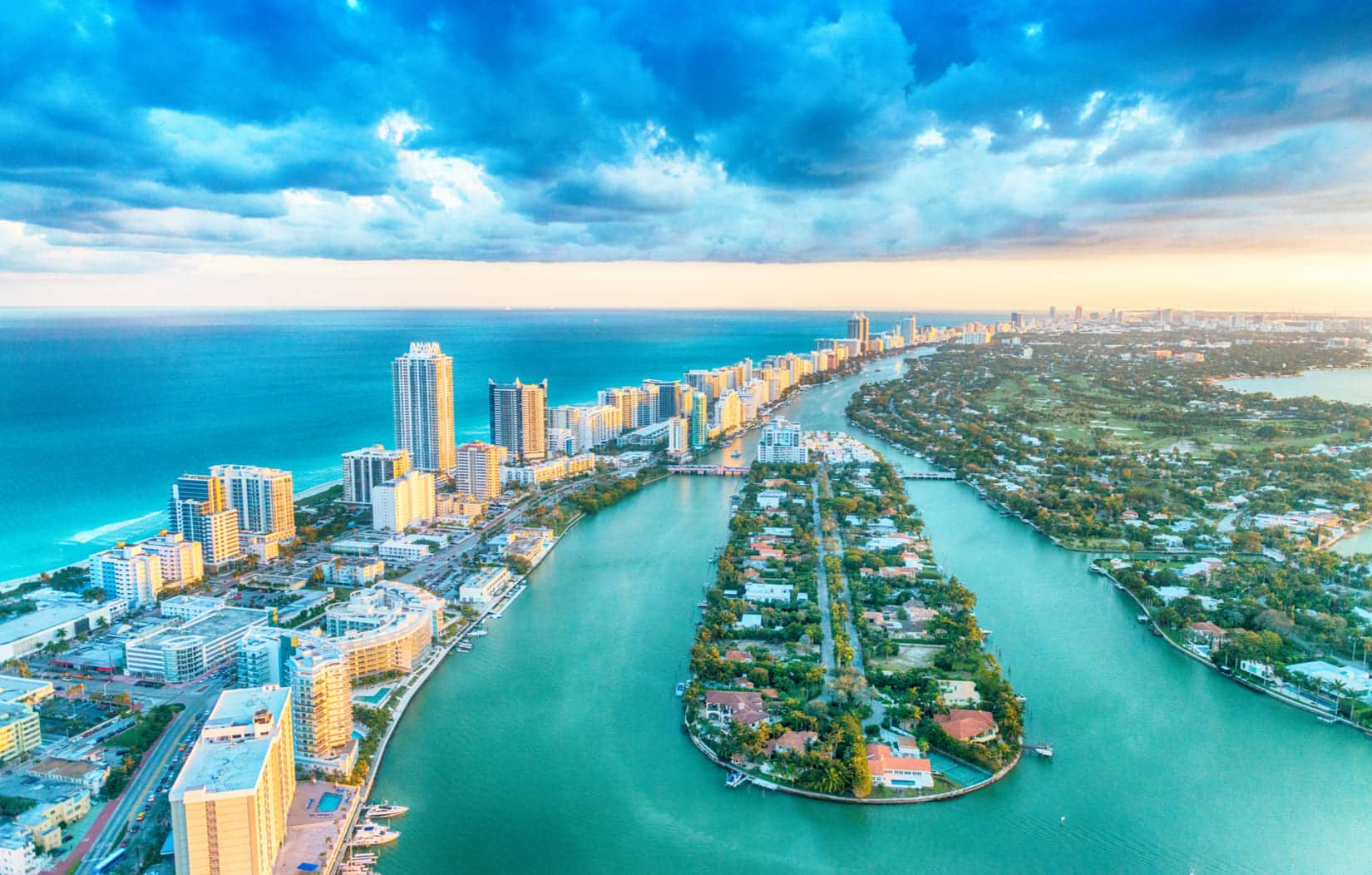
Miami offers palm trees, urban energy, and a constant influx of international flair just miles away from downtown. Wake Forest leans heavily into its historic brick architecture, a smaller student body, and an intense, personalized academic environment often dubbed "Work Forest" by exhausted undergraduates. When athletes choose between these two schools, they aren't just picking a football playbook or a basketball scheme. They're choosing between two entirely distinct styles of living and learning. You can explore more about the academic prestige of North Carolina's private institutions through resources like Wake Forest University.
Recruiting Footprints and Talent Acquisition
South Florida is arguably the most talent-dense high school football breeding ground on planet Earth. Kids down there grow up playing seven-on-seven against future NFL All-Pros. Miami sits right in the middle of this goldmine, giving the Hurricanes an inherent geographic advantage when building their roster.
Wake Forest operates differently out of necessity. Head coaches in Winston-Salem historically master the art of talent evaluation, finding overlooked three-star prospects who fit a specific system and keeping them in the program for four or five years to develop. While Miami chases five-star phenoms who might jump to the NFL draft after their junior year, Wake Forest builds through developmental continuity.
The Transfer Portal Era
The modern college sports landscape has completely rewritten how both programs construct their rosters. The transfer portal allows smaller-conference or developmental powerhouses to pluck experienced players, while major programs can instantly patch holes with proven veterans from across the country.
When you track how roster management has evolved, you notice that depth wins championships. Miami relies heavily on its ability to rotate wave after wave of elite defensive linemen, keeping fresh legs on the field for four quarters. Wake Forest counters by relying on slow-mesh offensive schemes and hyper-disciplined execution that neutralizes raw athletic disadvantages.
What Matters Most When These Programs Collide
If you're breaking down an upcoming matchup between these two athletic departments, forget about the historical blowout wins from the mid-2000s. Focus instead on three critical factors that always dictate the outcome.
- Line play determines whether Miami's explosive skill players can operate or if Wake Forest's defensive front can disrupt the timing.
- Turnarounds in the turnover margin usually decide close games, especially when a disciplined underdog smells an upset.
- Fourth-quarter conditioning exposes the difference between a deep roster and a thin one.
Practical Steps for Following the Rivalry
If you want to keep tabs on how this ongoing athletic relationship develops across football, basketball, and Olympic sports, don't just rely on social media hype. Track the box scores, monitor injury reports closely, and pay attention to how conference realignment impacts scheduling flexibility. You can stay completely up to date with official athletic announcements and schedules by checking out the Atlantic Coast Conference portal for verified stats and standings.
Take time to watch the early-season non-conference games for both sides to see how their tactical identities shift year over year. Understanding the underlying mechanics of these programs gives you a much sharper perspective than simply reading the final score on a Sunday morning.