War doesn't stay on the frontline. It bleeds into supply chains, warehouses, and everyday civilian logistics.
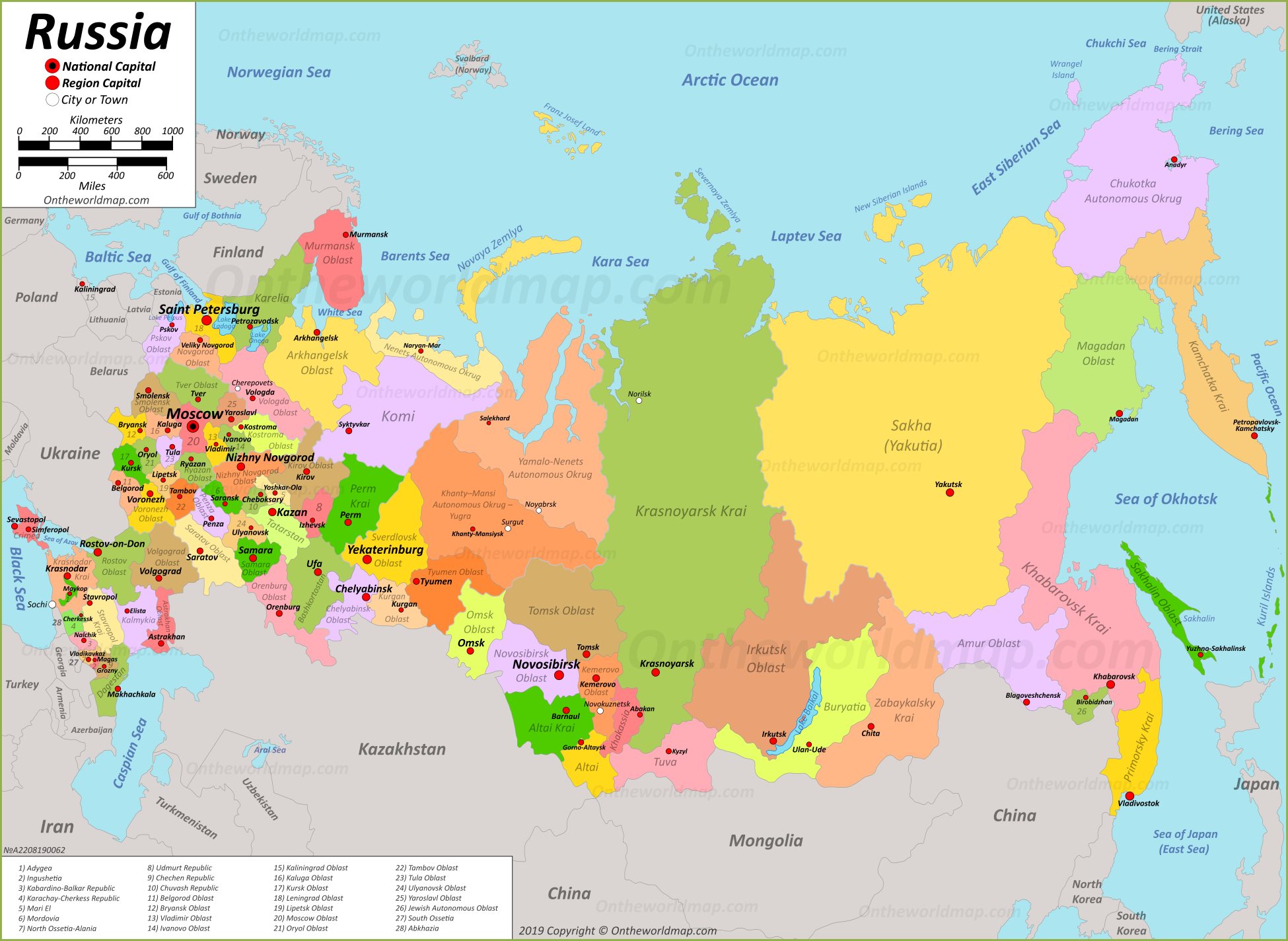
If you've been watching the headlines, you know things are shifting. Ukraine has launched massive drone and missile strikes deep inside Russian territory, hitting critical infrastructure like major ports and facilities belonging to Wildberries—often dubbed Russia's version of Amazon.
Let's look at what's actually happening on the ground.
The Strategy Behind the Wildberries Strikes
Why target an e-commerce giant's logistics hub? It sounds strange at first glance. Warehouses aren't tanks. They aren't artillery batteries.
Yet, modern conflict relies entirely on logistics. When Ukraine hits facilities like the recent one in Ryazan, located about 115 miles southeast of Moscow, they aren't just blowing up packages. They are disrupting the economic arteries that keep the Russian domestic market functioning and supplying the war machine.
Reports indicate that multiple Wildberries facilities—around eleven this month alone—have faced attacks. Six people were reportedly injured in the Ryazan strike. These aren't random accidents. They are calculated moves designed to bring the cost of the conflict home to the Russian population.
Striking Ports and Economic Lifelines
Ports are another matter entirely. Hitting vital maritime and transport hubs chokes off revenue. Russia relies heavily on these transport nodes for trade and military supply transport.
When strikes hit these areas, the ripple effects are immediate:
- Supply chains fracture.
- Insurance rates for shipping spike.
- Domestic confidence takes a direct hit.
Military analysts have pointed out that shifting the theater of operations away from the trenches and toward economic hubs forces Moscow into a difficult choice. Do they protect the front lines, or do they pull air defenses back to guard domestic mega-warehouses and ports? You can't protect everything at once.
What Most People Get Wrong About These Deep Strikes
People often assume these attacks are purely symbolic. They aren't.
When you disrupt e-commerce logistics on this scale, you strain the internal transport grid. Trucks get delayed. Workers stay home out of fear. Small and mid-sized businesses that rely on these massive distribution networks feel the pinch instantly.
It changes the psychological landscape of the war. For a long time, many citizens living deep inside Russia felt insulated from the fighting happening in the eastern regions of Ukraine. Smoke rising over distribution centers and port terminals shatters that illusion completely.
Where This Conflict Strategy Goes Next
Expect more of the same. As long as the war drags on, infrastructure targeting will remain a core tactic. Both sides understand that breaking the enemy's economy is just as effective as destroying their hardware on the battlefield.
Keep an eye on how air defense deployments shift in the coming weeks. If regional capitals and commercial hubs require heavier shielding, the front lines will feel the absence. Watch the ports, watch the warehouses, and don't expect the economic pressure to let up anytime soon.