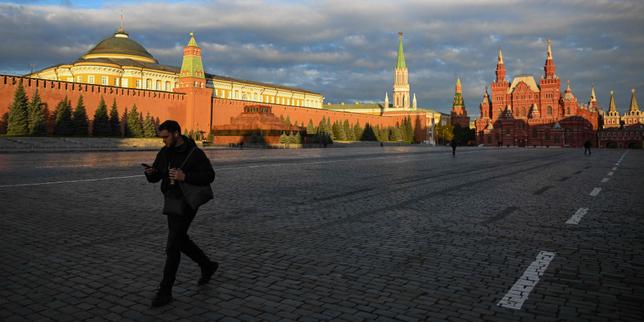
Dozens of Ukrainian drones targeting Moscow and its surrounding region were intercepted overnight, pushing the air war right back onto the doorsteps of the Russian capital. Air defense systems roared to life across the metropolitan area, neutralizing incoming threats while debris scattered across regional districts. This wasn't an isolated incident. It marks a sharp escalation in long-range aerial operations that continue to test the limits of Russia's inner defenses.
The Strategic Value of Long-Range Strikes
Why launch massive drone swarms hundreds of miles into Russian territory when air defenses shoot down the vast majority? Because survival isn't the only metric of success. Strategic pressure matters. When dozens of uncrewed aircraft threaten Moscow simultaneously, the Russian military faces an impossible logistical bind. They must choose whether to deploy expensive surface-to-air missile systems around critical infrastructure in the capital or protect front-line positions in Ukraine.
Beyond Moscow, these coordinated night raids hit deeper economic targets. Facilities like the Yaroslavl oil refinery northeast of Moscow caught fire following direct impacts, proving that industrial nodes feeding the Russian war machine remain vulnerable. Ukraine's security services keep expanding their reach, hitting logistics hubs, transport aircraft in Rostov, and energy supply chains despite heavy electronic jamming and multilayered air defense shields.
The Cost of Escalation for Civilians
The human toll of these intensified campaigns extends far beyond military command centers. While Russian authorities report that intercepted debris caused minimal structural damage or casualties within the capital's immediate limits, regional infrastructure takes a beating. Power cuts, disrupted transport, and damaged residential zones follow these aerial bombardments on both sides of the border.
Civilians living hundreds of miles from the frontline trenches now wake up to the distinct buzz of low-flying projectiles and the thunderous shockwaves of interception. The psychological impact on Moscow residents shatters the illusion of safety built by state media. As long-range drone technology gets cheaper, faster, and harder to track, geographical distance no longer guarantees protection.
What Comes Next in the Drone War
Expect more of the same. Neither side shows any sign of backing down from long-range campaigns. Kyiv intends to keep proving that the cost of the war must be felt at home by Russian citizens, while Moscow retaliates with its own heavy missile and drone volleys targeting Ukrainian urban centers. The technological arms race between cheap offensive drones and multi-million-dollar air defense batteries defines this phase of the conflict. Until a diplomatic off-ramp materializes, the skies over Russia and Ukraine will remain crowded with explosives every single night.