War doesn't freeze internal politics. If anything, it magnifies every fracture, every accusation of corruption, and every hidden ambition within a government under siege.
People think nations fighting for survival close ranks completely. They assume disagreement vanishes under the weight of external threats. Reality is much messier. Right now, Ukraine is grappling with a severe political crisis that runs parallel to the ongoing conflict on the front lines. Tensions at the top are boiling over, public frustration is mounting, and the old unity forged in the early days of the full-scale invasion is being severely tested.
The Crack in the Armor
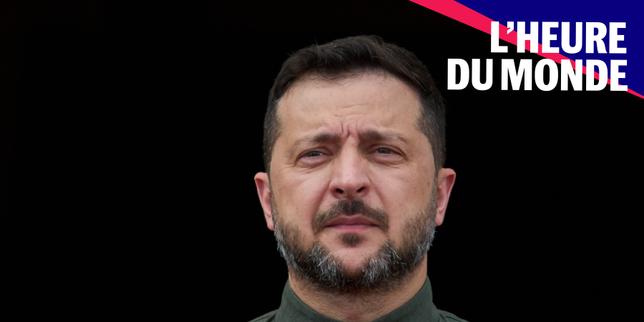
When high-profile figures break ranks, the shockwaves are instant. That is precisely what happened when Mykhaïlo Fédorov, the former defense minister, released a video statement directly challenging President Volodymyr Zelensky's administration. Fédorov didn't just critique policy; he called for elections. He argued that holding a vote is the only way to restore full democratic legitimacy, even while a protracted war rages on.
For a government that has relied heavily on wartime emergency measures and suspended standard electoral timelines, this demand hit hard. It wasn't just a political disagreement. It was an open challenge to the wartime status quo. Fédorov also pointed fingers at systemic corruption, echoing grievances that have long simmered beneath the surface of Ukrainian society.
Months prior, Fédorov had been removed from his post by Zelensky. That dismissal didn't pass quietly. Citizens took to the streets in Kyiv and other cities, protesting the decision and signaling that public patience with backroom political maneuvering is wearing thin.
The High Cost of Wartime Governance
Governing a country under constant bombardment is an impossible balancing act. On one hand, centralization of power is necessary for military survival. Decisions must be made fast. Supply lines, defense contracts, and international aid require tight coordination from the executive office.
On the other hand, centralization breeds opacity. When checks and balances are sidelined in the name of national security, corruption scandals inevitably surface. Procurement controversies, inflated defense budgets, and accusations of nepotism have periodically rocked Kyiv over the past few years. Citizens are sacrificing everything on the front lines, so their tolerance for internal graft is zero.
When protests erupted in Kyiv, they weren't pro-Russian or anti-defense. They were a raw expression of democratic accountability. Ukrainians are fighting to preserve their sovereignty, and many believe that sovereignty includes the right to demand transparency from their own leaders.
Can You Hold Elections During Total War?
The logistics alone make it a nightmare. Millions of Ukrainians are displaced across Europe. Millions more live under occupation or near active combat zones where holding a safe, fair vote is physically impossible. Artillery shells do not respect polling stations.
Yet, the political pressure for democratic renewal is real. Critics argue that postponing elections indefinitely creates a dangerous concentration of power. They point to the risk of democratic erosion from within, warning that a state fighting authoritarianism must not adopt the habits of its enemy.
On the flip side, supporters of the current administration argue that holding an election during active hostilities would fracture national unity, disrupt the war effort, and provide a propaganda victory to Moscow. Foreign interference, cyberattacks, and the sheer impossibility of campaigning near the front lines make the idea a high-stakes gamble.
What Happens Next
The friction between wartime necessity and democratic values isn't going away. Ukraine's political crisis is a symptom of a society that refuses to abandon its democratic aspirations, even when its cities are under fire.
The pressure from civil society, dismissed officials, and everyday citizens means Kyiv cannot simply ignore these internal demands. Leaders must navigate these turbulent waters carefully, balancing the grim realities of survival with the fundamental promises of transparency and accountability. The outcome of this internal struggle will shape not just who runs the country, but what kind of nation survives when the dust finally settles.