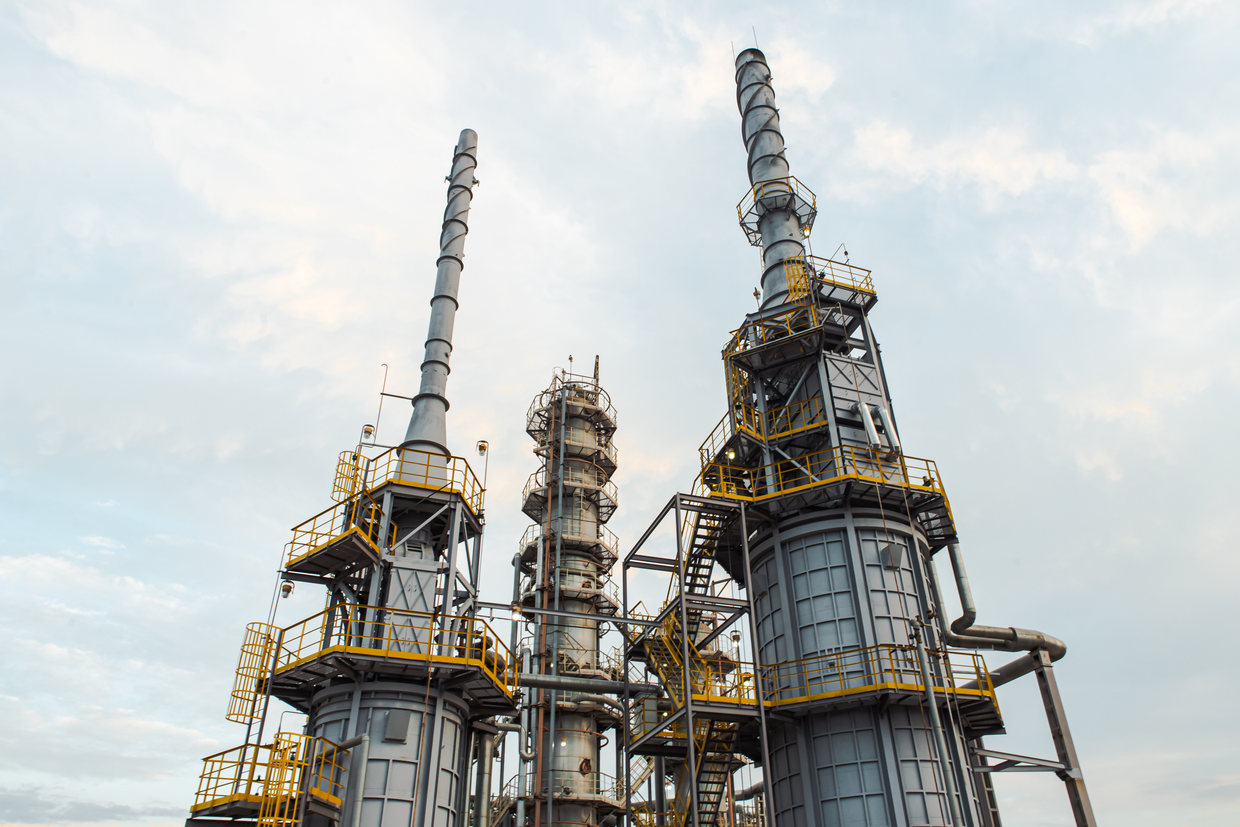
Ukraine is hitting Russia where it hurts most, and the shockwaves are traveling straight to Indian gas stations. For months, Ukrainian long-range drones have flown deep into Russian territory, targeting multi-billion-dollar oil infrastructure. They aren't just hitting military depots anymore. They are blowing up distillation towers at massive refineries in places like Ryazan, Pskov, and Nizhny Novgorod.
If you think a drone war in Eastern Europe has nothing to do with the cost of filling up your car in Delhi or Mumbai, you're mistaken. India relies on imported crude oil for over 85% of its needs. Since 2022, a massive chunk of that oil has come from Russia at a steep discount. When Ukrainian drones knock out Russian refining capacity, they change the entire global energy math. Read more on a connected topic: this related article.
The direct takeaway is counterintuitive. When Russia cannot refine its own oil, it has to export more raw crude. That means more cheap Russian oil looking for a home, and India is the biggest buyer. But there is a dangerous catch. Global oil markets hate instability, and if these strikes trigger a wider supply crunch, global prices will spike, erasing any discount New Delhi enjoys.
The Reality of Ukraine Drone Attacks on Russian Energy
Ukraine has found a soft underbelly in the Russian war machine. Oil is the lifeblood of the Kremlin's economy. By targeting the highly complex distillation columns inside oil refineries, Ukraine isn't just causing temporary fires. They are destroying equipment that takes months, sometimes years, to replace, especially under heavy Western sanctions. Additional reporting by MarketWatch explores comparable views on the subject.
Estimates suggest these drone strikes have periodically knocked out around 10% to 14% of Russia's total oil refining capacity. Russia has plenty of raw crude oil in the ground, but its ability to turn that crude into petrol, diesel, and aviation turbine fuel has taken a massive hit.
You have to understand how the global oil trade functions to see why this matters. Refineries are the factories of the energy world. When a factory shuts down, the raw materials stack up. Russia cannot simply stop pumping oil from its Siberian wells because freezing temperatures can ruin the infrastructure permanently if the flow stops. They have to do something with that excess raw oil.
Why India Buys So Much Russian Crude
Before the war in Ukraine, India bought less than 2% of its crude oil from Russia. Shipping costs across the Black Sea and the Mediterranean made it less attractive than sourcing oil from traditional Middle Eastern partners like Iraq, Saudi Arabia, and the UAE.
Sanctions changed everything. When Western nations stopped buying Russian oil, Moscow offered massive discounts to anyone willing to take it. India stepped in aggressively. Indian private and state-run refiners started snapping up millions of barrels of Russian Urals crude.
Indian Crude Import Share (Approximate Shift)
Pre-2022: Less than 2% from Russia
Post-2022: Peak levels near 35% to 40% from Russia
This discount saved India billions of dollars in foreign exchange. It kept domestic fuel prices relatively stable when global inflation threatened to wreck the economy. Indian refiners became incredibly efficient at processing this specific grade of Russian oil, turning a massive profit by exporting the refined products to Europe and America.
The Refined Diesel Twist That Changes Everything
This is where the situation gets interesting for Indian corporate refiners. When Ukrainian drones disable a Russian refinery, Moscow is forced to ban domestic exports of gasoline and diesel to ensure its own military and citizens have enough fuel.
With Russian diesel exports wiped off the global market, Europe faces a sudden shortage. Who steps in to fill that gap? Indian refiners like Reliance Industries and Nayara Energy.
Indian companies buy the cheap, unrefined Russian crude that Moscow can no longer process themselves. They ship it to mega-refineries in Gujarat, process it into high-quality diesel, and sell it to European buyers at a premium. It is a wildly lucrative loop. The drone strikes essentially force Russia to hand over its refining profits to India.
But this system relies on a very delicate balance. If Ukraine hits the actual export pipelines or the oil ports in the Black Sea, like Novorossiysk, the game changes completely.
What This Means for Your Pocket at the Pump
For the ordinary Indian consumer, the impact is a double-edged sword. You won't see an immediate drop in petrol prices just because Russia is exporting more raw crude. Domestic fuel prices in India are tightly managed by state-run oil marketing companies like Indian Oil, Bharat Petroleum, and Hindustan Petroleum.
These companies have to balance years of past losses against current market volatility. If global crude prices stay volatile, these companies keep retail prices flat to insulate themselves from future shocks.
If the drone strikes expand and global oil benchmark Brent crude rises above $90 or $100 a barrel, the discounted Russian oil won't save you. A rising tide lifts all boats, and a rising oil market drags up the price of even discounted oil grades. If Brent crude surges, Indian state-run oil companies will eventually have to raise retail prices at the pump to prevent massive financial losses.
The Long Term Risk New Delhi Cannot Ignore
Relying on a war-torn supply chain is a dangerous strategy. India's heavy dependence on Russian crude has already faced logistical hurdles. Tightening Western sanctions on the Russian shadow fleet of tankers have made finding ships willing to carry Russian oil much harder and more expensive.
Payment issues crop up constantly. India prefers to pay in Rupees or Dirhams to avoid US dollar sanctions, but Moscow isn't always keen on holding massive amounts of Indian currency that it cannot easily spend elsewhere.
If Ukraine shifts its strategy from hitting refineries to hitting Russian oil export terminals, the supply of crude itself could drop overnight. That would trigger an immediate scramble for Middle Eastern oil, driving up prices across the board and hitting India's import bill hard.
Moving Forward and Mitigating the Shock
Indian policymakers and energy companies cannot afford to treat these drone strikes as a distant geopolitical sideshow. Managing this risk requires active strategy rather than passive reaction.
First, Indian refiners must maintain flexible supply contracts with traditional Middle Eastern suppliers. Over-indexing on Russian crude leaves the domestic economy exposed to sudden Ukrainian tactical shifts or harsher enforcement of Western sanctions on the shipping networks.
Second, state-run oil marketing companies need to utilize financial hedging strategies more aggressively. Locking in prices when crude dips allows these firms to absorb the inevitable price spikes that follow successful drone attacks on energy infrastructure.
Diversifying import sources toward African and South American producers offers a vital buffer. The global energy market is bound to remain volatile as long as the conflict continues, and relying on discounted crude from a country under active bombardment is a gamble that requires constant vigilance.