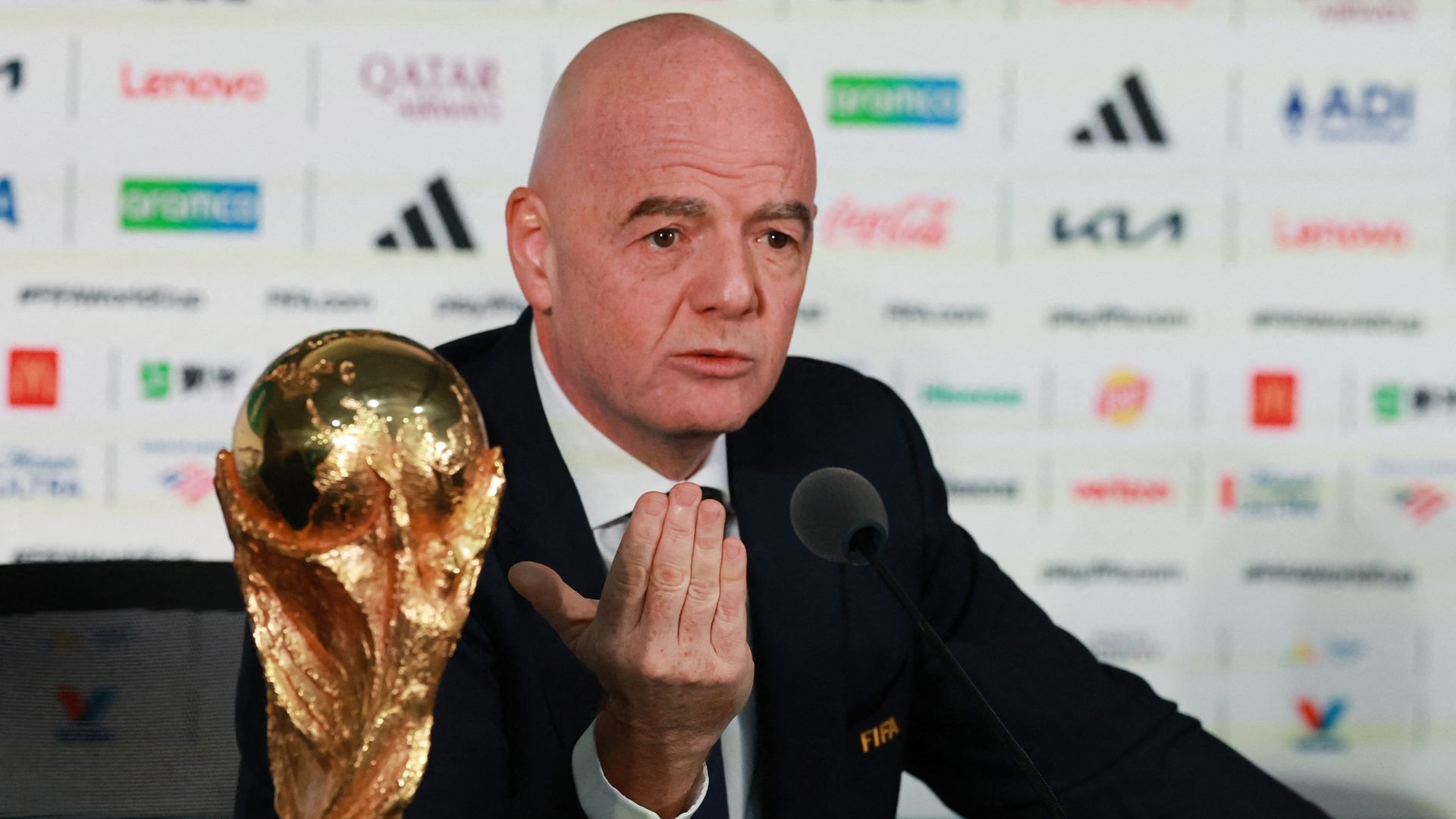
European football just drew a hard line in the sand. All 55 UEFA member nations voted unanimously to boycott every single FIFA competition if Gianni Infantino moves forward with plans to sell a massive stake of the World Cup to private equity.
If you think this is just standard sports politics, look closer. FIFA is trying to spin off its commercial operations into a 20 billion dollar structure backed by external investors, including a New York venture firm tied to Joshua Kushner. To sweeten the deal for smaller global federations, Infantino floated a payout of 20 million dollars to each of FIFA's 211 member associations, giving them a deadline of mid-September to sign on.
UEFA President Aleksander Ceferin didn't mince words during an emergency virtual meeting that lasted less than two hours. The response from Europe was immediate, fierce, and total.
Why Europe Stood Firm Against Private Ownership
Money talks, but heritage talks louder. Infantino tried to minimize the backlash by claiming the private equity scheme was merely a proposal rather than an obligation. Nobody bought it.
European associations realized that opening the door to private equity means surrendering control of the sport's crown jewel. The World Cup isn't just a corporate asset. It is a cultural institution built over decades by players, fans, and national teams. Handing chunks of it over to venture capitalists introduces profit motives that could completely distort how the game is run, scheduled, and commercialized.
Earlier fears suggested that smaller European federations might take the bait, tempted by the cash injection promised by Zurich. Those fears vanished during the emergency summit. The vote was 55-0. Complete solidarity.
The Global Pushback Against Infantino
UEFA isn't fighting this battle alone. The Asian Football Confederation (AFC) also slammed FIFA for blindsiding continental bodies with a massive financial restructure without proper consultation. AFC President Sheikh Salman bin Ebrahim Al Khalifa called the maneuver completely unacceptable, noting that international football governance cannot function by unilateral decree.
When both European and Asian heavyweights push back hard against leadership, Zurich feels the pressure instantly. FIFA's power play depends entirely on global consensus. Without Europe, a World Cup loses its competitive integrity and commercial viability overnight.
What Happens Next
The timeline is moving fast. European football associations are drafting formal letters to notify FIFA that their boycott threat is real.
The immediate flashpoint sits right on the calendar. Poland is scheduled to host the Women's Under-20 World Cup starting September 5, which serves as the very first test of UEFA's resolve. If Infantino doesn't scrap the private equity blueprint entirely and provide binding guarantees that FIFA competitions will never be opened to private ownership, European teams will pull out of upcoming tournaments.
Infantino wanted a financial revolution. Instead, he triggered an existential crisis for world football governance. The September deadline isn't a rubber stamp anymore. It's a collision course.