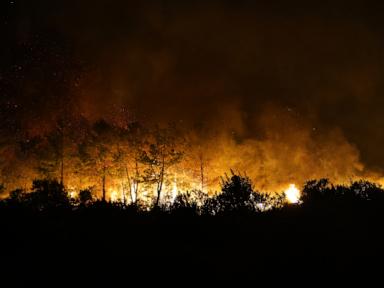
When ferocious winds whip through the dry Mediterranean brush, disaster isn't a distant threat—it's an immediate, breathing reality. That is precisely what hit Turkey’s southern coast when a massive wildfire ripped through Antalya, turning the sky an apocalyptic shade of red and forcing hundreds of families to abandon everything they own.
If you've followed Mediterranean climate patterns over recent years, you know this scenario is becoming a terrifying routine. But this latest flare-up in Antalya's Aksu and Kepez districts exposed the raw vulnerabilities that standard emergency broadcasts barely scratch the surface of. Let's break down what happened, why the local geography made it impossible to contain initially, and what it takes to survive when nature turns the air into smoke. Read more on a similar issue: this related article.
The Anatomy of the Antalya Blaze
The fire started on a Monday evening in the Aksu district. Dry soil, soaring temperatures, and violent gusts created a textbook recipe for disaster. Instead of burning slowly through the forest canopy, the wind picked up embers and hurled them across neighborhoods, allowing the blaze to jump roads and firebreaks in minutes.
Within hours, the fire mutated from a localized forest issue into an urban-interface crisis, spilling directly into Kepez. Local authorities scrambled. They had to evacuate at least 254 homes immediately. Additional reporting by The Guardian delves into related perspectives on the subject.
Numbers tell part of the story, but the operational scale tells the rest:
- Personnel: Over 600 emergency workers deployed on the ground.
- Equipment: 110 fire-extinguishing trucks fighting lines of heat.
- Air Support: At least 5 firefighting aircraft and 10 helicopters dropping tons of water against relentless gusts.
- Collateral Damage: Over 2,000 homes thrown into sudden power outages as utility lines melted or were shut off for safety.
Two people suffered severe leg injuries while trying to escape, and six others needed immediate on-site medical attention for smoke inhalation.
Beyond the Human Cost: Animals Caught in the Crossfire
When a disaster strikes rapidly, human evacuation is complicated enough. Protecting domestic and stray animals becomes a logistical nightmare. In Aksu, the situation took a heartbreaking turn when heavy smoke began suffocating a local animal shelter.
Municipal workers and local volunteers rushed in to evacuate more than 100 dogs. Veterinary teams treated animals on the spot for acute smoke exposure before shipping them to safer facilities further inland. It's a stark reminder that modern wildfires wipe out ecosystems, pets, and wildlife habitats long before the embers finally die down.
Why Mediterranean Wildfires Are Changing
You can't talk about these fires without looking at the broader environmental shift. The Mediterranean basin is heating up faster than many other global regions. Low humidity combined with extended dry spells transforms pine forests into tinderboxes.
When winds accelerate down from the mountains toward the coast, they dry out vegetation even further. Firefighters face a mathematical impossibility: they can dump thousands of liters of water on one flank, only for the wind to spawn three new ignition points a mile away.
That's why the highway connecting Antalya to Isparta had to be shut down entirely. Smoke reduced visibility to near zero, turning transit arteries into traps.
Practical Lessons From the Frontlines
If you live in or travel through wildfire-prone regions, you learn quickly that passive waiting is a fatal mistake. Emergency services in Turkey stress a few critical steps when a wind-driven front approaches:
- Clear Defensible Space: Embers travel miles ahead of the actual flame front. Clearing dry leaves, woodpiles, and brush from around building perimeters stops flying sparks from finding easy fuel.
- Pack an Emergency Go-Bag: Most evacuees in Antalya had minutes to leave. Keep documents, medications, and essentials right by the door.
- Respect Highway Closures: Smoke inhalation can disorient drivers in seconds, turning a quick escape route into a fatal roadblock.
The fires didn't stop in Antalya either; flare-ups simultaneously tested crews in the neighboring provinces of Adana and Mersin. Emergency infrastructure remains stretched to its absolute limit as autumn fails to bring the cooling relief residents desperately need.
Stay alert, watch the wind directions, and never underestimate how fast a shift in the breeze can rewrite an entire region's landscape.
Antalya Wildfires Force 254 Homes To Evacuate
This video provides an on-the-ground look at the massive smoke plumes and evacuation efforts in Antalya as emergency crews struggled to contain the rapidly spreading blazes.
http://googleusercontent.com/youtube_content/1