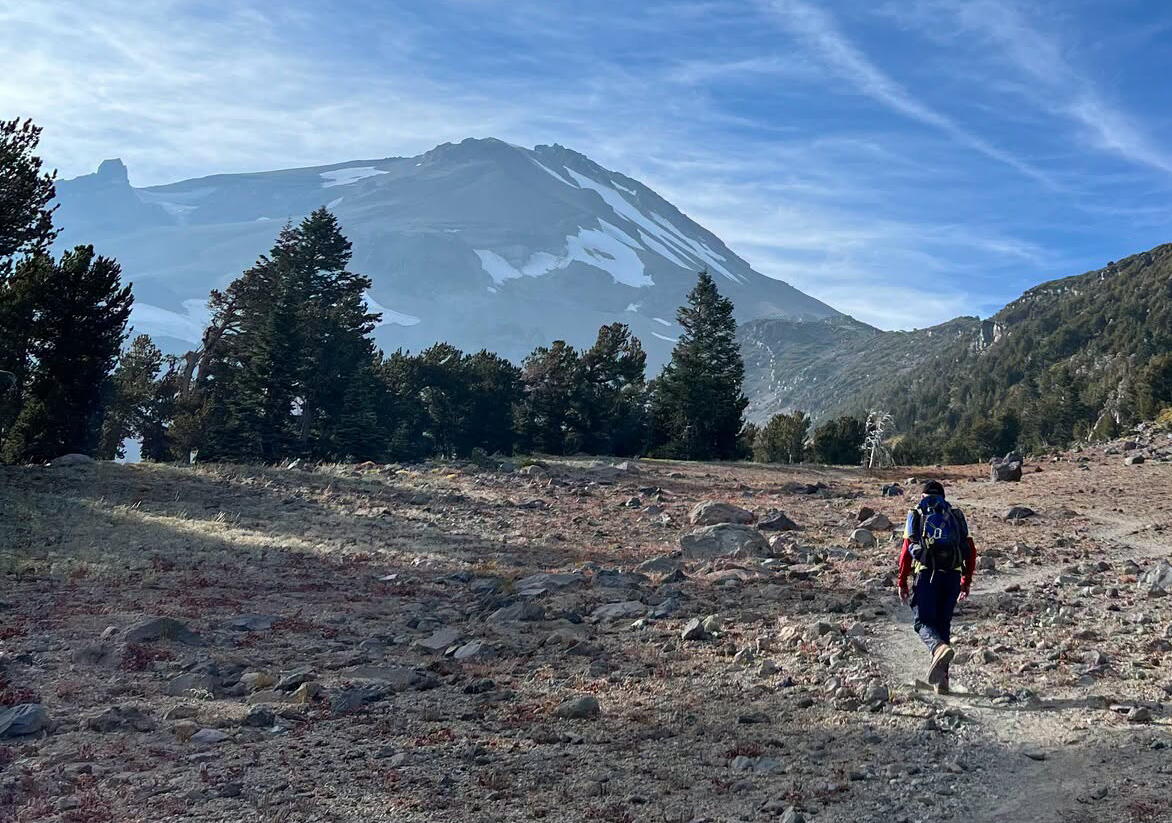
Relying on a chatbot to map out a high-altitude wilderness trek is a quick way to find yourself shivering in a steep canyon at night. Three novice hikers from Roseville, California, learned this lesson the hard way on Mount Shasta. They asked Google's Gemini AI to plan their route and packing list, trusting code over common sense.
The result? An eight-hour day hike turned into a multi-day survival ordeal that required a full-scale rescue by the Siskiyou County Sheriff's Office and U.S. Forest Service climbing rangers. You might also find this connected article useful: Why The Long Journey To Mercury Just Entered Its Most Dangerous Phase.
If you think artificial intelligence can replace local expertise on a 14,179-foot peak, you're setting yourself up for disaster. Here is what actually happened on that mountain and why outsourcing survival planning to a language model is a dangerous trend.
The Mount Shasta Mistake
The trio set up camp at roughly 8,400 feet on August 29. They aimed for the summit via the Clear Creek Route, kicking off their push at 3 a.m. on a Sunday. That early start sounds good on paper, but things quickly went sideways. As extensively documented in recent articles by Engadget, the effects are notable.
They used Gemini to figure out logistics, including food, water quantities, and timing. The algorithm told them they needed far less food and water than a climb of that magnitude demands.
They didn't summit until 7 p.m. That is seven hours past the golden rule of mountain safety: the noon turnaround time. Summiting late means descending in pitch darkness, which is exactly what traps people in rugged terrain.
How the Algorithm Fails the Backcountry
Large language models predict text based on probability, not physical reality or real-time weather patterns. They don't know that a sudden drop in temperature happens past sunset, or that loose scree fields look entirely different at night.
When the Roseville hikers began their descent in the dark, they called the sheriff's office for directions. Even with some guidance, they drifted off the Clear Creek Route and tumbled straight into Mud Creek Canyon. One hiker injured his knee in a fall, locking the group into an unplanned overnight stay at high elevation without proper gear or sustenance.
Forest Service rangers found them the next morning, treated the knee injury, and escorted them out. It could have easily ended in a body recovery instead of a rescue.
Why People Keep Trusting Tech Over Topography
We live in an era where people consult apps for everything. Need a recipe? Ask an app. Need a workout? Ask an app.
That convenience culture bleeds into outdoor recreation. Novice adventurers assume that a tool capable of writing code or summarizing essays can also read a topographical map and account for micro-weather on a volcano.
Chatbots don't scale mountains. They don't shiver. They don't understand fatigue. When you ask a generic AI model for a mountaineering plan, it pulls from aggregate web data, often mixing up technical routes with walk-ups, or completely ignoring local hazards like the dangerous Mud Creek drainage.
Real Safety Rules No Algorithm Can Replace
If you plan to tackle Mount Shasta or any major peak, throw out the chatbot prompts. Follow these baseline safety measures instead:
- Call the local ranger station: Talk to human experts who stood on the mountain yesterday.
- Obey the noon rule: If you haven't reached the summit by noon, turn around. No view is worth freezing in the dark.
- Pack for failure: Bring double the food, water, and emergency layers you think you need. An eight-hour hike can easily become a 24-hour ordeal if you take a wrong turn.
- Carry redundant navigation: Never rely on a single smartphone battery or a GPS app that dies when the cold sets in.
Stop treating language models like infallible mountain guides. Nature doesn't care about your prompt history.
Check out this report on the incident: Hikers Rescued After Using Google Gemini AI To Plan Trek
This video provides a detailed news breakdown of how the Roseville hikers' AI-planned trek on Mount Shasta turned into a rescue operation.