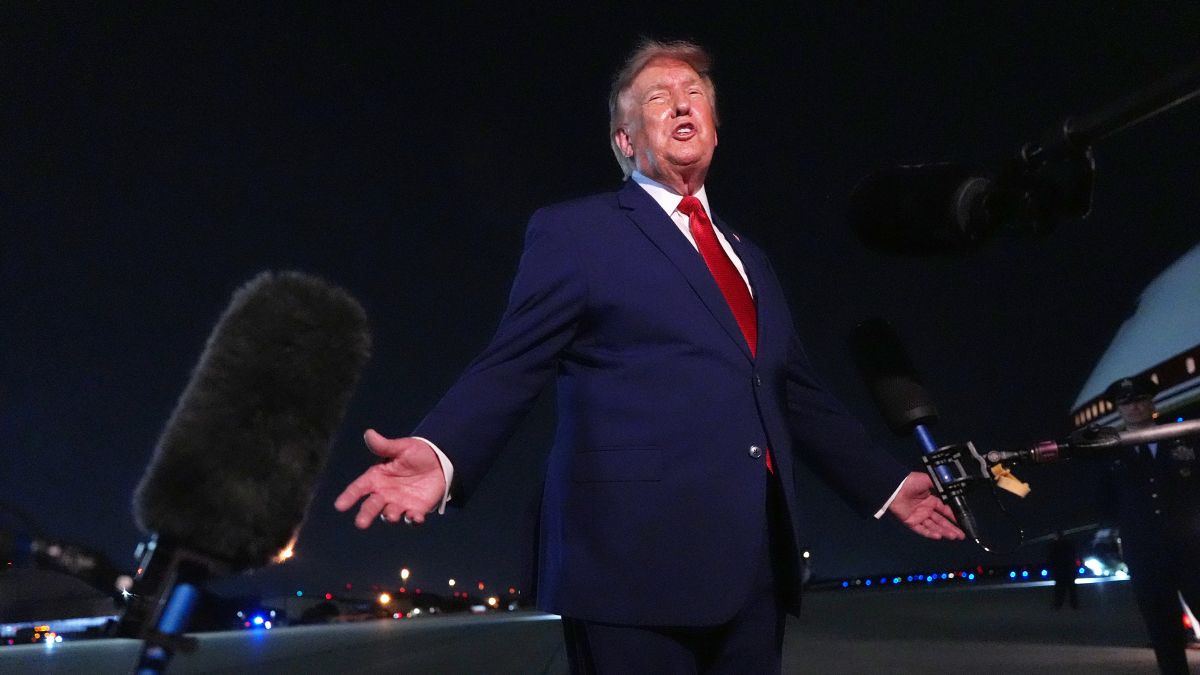
Donald Trump just threatened heavy tariffs because Canada and the European Union got too close for comfort. That strategy is going to blow up in Washington's face.
When European Commission President Ursula von der Leyen proposed making Canada the bloc's first associate member with Prime Minister Mark Carney sitting right beside her, the reaction from the White House was immediate. Trump called the initiative laughable and labeled it a hostile act. He warned that the United States might slam heavy tariffs on European goods or halt trade entirely if he decides the move comes from bad intentions. If you enjoyed this post, you should look at: this related article.
It is a classic playbook move. But it misses a massive structural shift happening right now. Coercive diplomacy isn't subduing America's neighbors anymore. It's driving them straight into each other's arms.
The Roots of the Breaking Point
You don't need a degree in international relations to see why this trade friction keeps escalating. Throughout his second term, Trump has hammered Canadian lumber, autos, steel, and aluminum with aggressive tariffs. He has repeatedly joked about turning Canada into America's fifty-first state and referred to its prime minister as a governor. For another perspective on this event, check out the latest coverage from TIME.
Then comes the "Donroe Doctrine." This updated version of the Monroe Doctrine asserts that Washington will not tolerate foreign powers or multilateral groups shaping affairs in the Western Hemisphere. Threats to seize Greenland and take the Panama Canal fit right into that worldview.
Instead of forcing obedience, this heavy-handed pressure created a severe backlash. If you treat a long-standing ally like a subordinate, don't be shocked when they look for new partners. As Carney famously noted at Davos, if you're not at the table, you're on the menu.
What the Proposed EU-Canada Alliance Actually Looks Like
The proposed framework goes way beyond standard trade agreements. It outlines a deep strategic alignment meant to hedge against American volatility.
- Technology and Security: A joint tech pact covering artificial intelligence, intelligent manufacturing, cybersecurity, critical raw materials, and battery development.
- Defense Integration: Canada applying to join the British-led Joint Expeditionary Force, a rapid-response military coalition of ten North Atlantic NATO members.
- Energy and Infrastructure: Aligning methane-monitoring standards for liquefied natural gas vessels so Canadian gas can flow freely into Europe, alongside alternative payment systems and cloud infrastructure to ditch reliance on American digital plumbing.
Canada sends roughly seventy percent of its exports to the United States. Diversifying that portfolio isn't just political theater. It's economic survival. Together, the EU and Canada represent a massive market of more than 490 million people and four of the world's top ten economies.
Why the Plan Faces Massive Hurdles
Brussels made this announcement in a dramatic fashion, but execution won't be easy. EU treaties currently hold zero legal framework for associate membership. Creating a brand new tier requires unanimous approval and ratification from all twenty-seven member states.
Von der Leyen blindsided most national capitals by springing the idea during her State of the Union address without prior consultation. European diplomats called the move unwise and dangerous, noting that advance drafts circulated to governments didn't even mention the phrase. Let's not forget that nearly a decade after signing CETA—the comprehensive economic and trade agreement—ten member states still haven't fully ratified it.
On the Canadian side, domestic pushback is already building. Conservative critics are questioning whether trading American dominance for European regulation makes any sense. Swapping one dependency for another doesn't look like true sovereignty to skeptics in Ottawa. Reciprocal visa-free access for 450 million Europeans also brings enormous administrative headaches.
The Broader Shift Nobody's Talking About
Labels matter less than reality. Whether the "associate member" tag sticks or gets replaced by a simpler strategic partnership, the underlying tectonic plates are moving. Middle powers are tired of being caught in the crossfire of American protectionism.
Trump can threaten high tariffs all day long. He can call alliances hostile acts. But every time Washington applies pressure without offering a partnership, it pushes traditional allies to build alternative networks.
The strategy is counterproductive. If you want to keep your closest allies close, threatening to treat them as hostile states usually accomplishes the exact opposite. Watch how capital flows and supply chains reorganize over the next year. The era of unquestioned American economic hegemony in the West is fracturing, and Washington built the hammer that broke it.