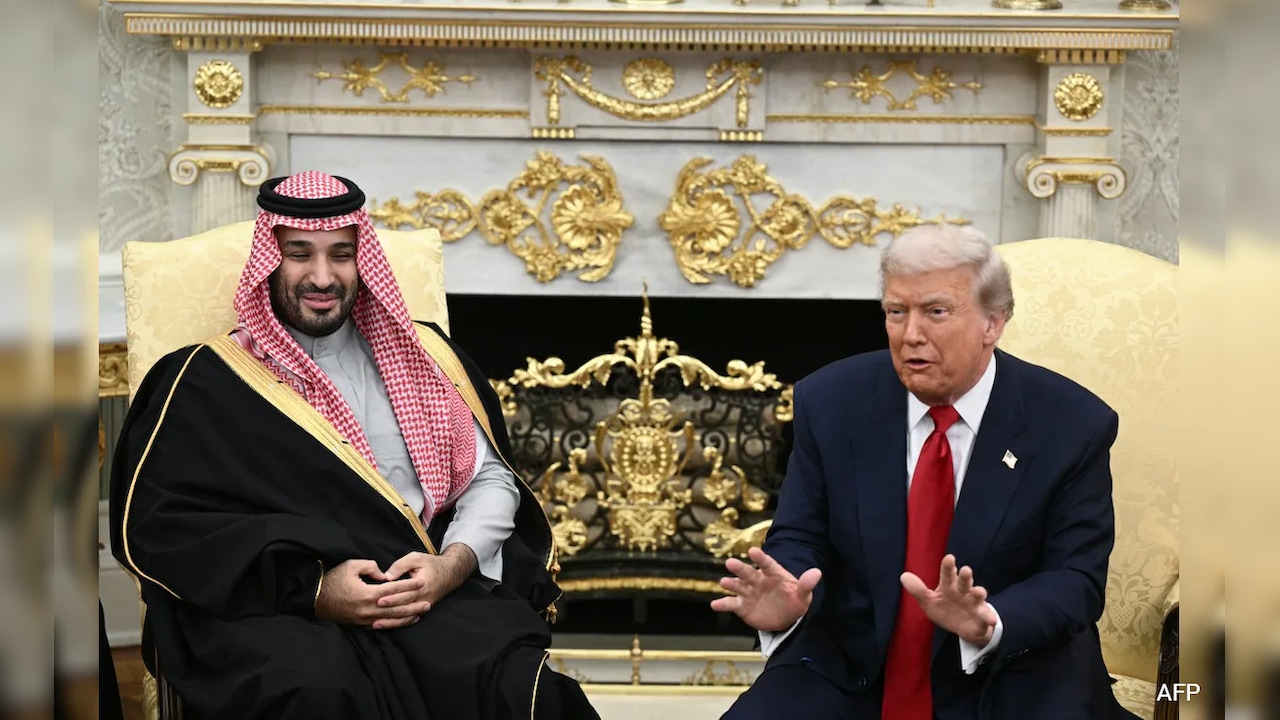
The white-hot core of Middle Eastern geopolitics just shifted. Washington recently inked a civilian nuclear pact with Riyadh, and Washington insiders are popping champagne while regional security experts quietly panic. On paper, it is a commercial agreement meant to sell American reactor technology and power plants. In reality, it opens the door to domestic uranium enrichment and tosses decades of strict nuclear nonproliferation orthodoxy straight into the trash.
If you think this is just about electricity generation, you're missing the forest for the trees. Saudi Arabia sits on a literal ocean of oil, yet it wants split atoms. Why? Because Crown Prince Mohammed bin Salman has made it crystal clear that if Iran acquires a nuclear weapon, Riyadh won't wait around to get outgunned. By lowering the traditional American safeguards—such as ironclad bans on enrichment and reprocessing—this new 30-year pact gives the kingdom a legitimate domestic infrastructure that can easily pivot from peaceful power to military capability. You might also find this connected coverage interesting: Why Andy Burnham Chose Volodymyr Zelensky For His First Foreign Visit As Prime Minister.
The Dangerous Erosion of Nonproliferation Standards
For years, Washington held the line on what experts called the "gold standard" for nuclear cooperation. The benchmark was set by the 2009 agreement with the United Arab Emirates, which permanently barred the UAE from enriching uranium or reprocessing spent fuel on its own soil. That strict firewall kept the Arabian Peninsula free from indigenous nuclear fuel cycles.
Trump’s new deal throws that standard out the window. By allowing the possibility of a domestic Saudi enrichment facility, the White House sets a bruising precedent. If Washington cuts corners for Riyadh, how do you tell Turkey, Egypt, or other regional players they can't do the exact same thing? You don't. You trigger a multi-state atomic scramble where every regional rival feels compelled to match their neighbor's capabilities. As highlighted in latest coverage by The Guardian, the implications are widespread.
The timing couldn't be worse. We are already watching a destructive conflict involving the U.S., Israel, and Iran, fueled largely by concerns over Tehran's nuclear ambitions. Handing Riyadh the keys to enrichment while bombs are dropping elsewhere in the region isn't stability. It's pouring high-octane fuel onto an already raging fire.
The Abraham Accords Catch and Political Whiplash
True to form, the policy came with a chaotic plot twist. Just hours after the ink dried on the civil nuclear agreement, Donald Trump announced that final approval is entirely contingent on Saudi Arabia joining the Abraham Accords and formally recognizing Israel.
This creates an intense political squeeze. On one hand, normalization with Israel has been a primary U.S. and Israeli objective. On the other hand, tying normalization to a potential pathway for a Saudi bomb has horrified Israeli security officials, who look past short-term diplomatic wins and see an existential long-term threat right next door.
Riyadh wants American technology, corporate investments, and strategic cover. Washington wants defense orders, regional alignment, and a diplomatic trophy. But trading long-term global safety for transactional diplomatic wins is a dangerous game.
What Happens Next
The agreement still faces heavy congressional scrutiny, fierce regional pushback, and endless logistical hurdles. But the damage to global nonproliferation norms is already done. When superpowers start treating sensitive nuclear technology like standard export commodities to juice corporate earnings and secure short-term political alliances, everybody loses.
The Middle East didn't need another reason to arm itself. Now, it has a legally sanctioned roadmap to do just that.
Trump signs deal to develop Saudi Arabia nuclear programme
This video provides an in-depth look at the newly announced U.S.-Saudi civilian nuclear agreement and the international reactions surrounding its terms.
http://googleusercontent.com/youtube_content/1

(mh=Pcg2NpKyTHcOP6_s)0.jpg)