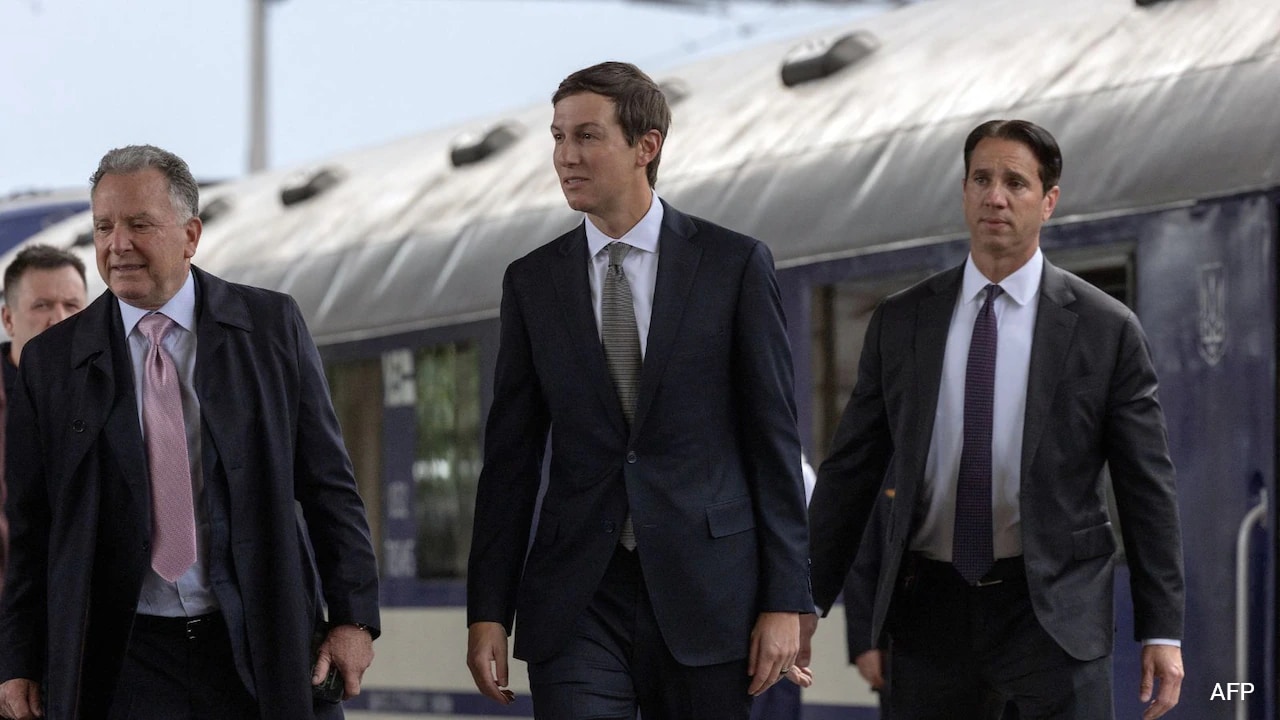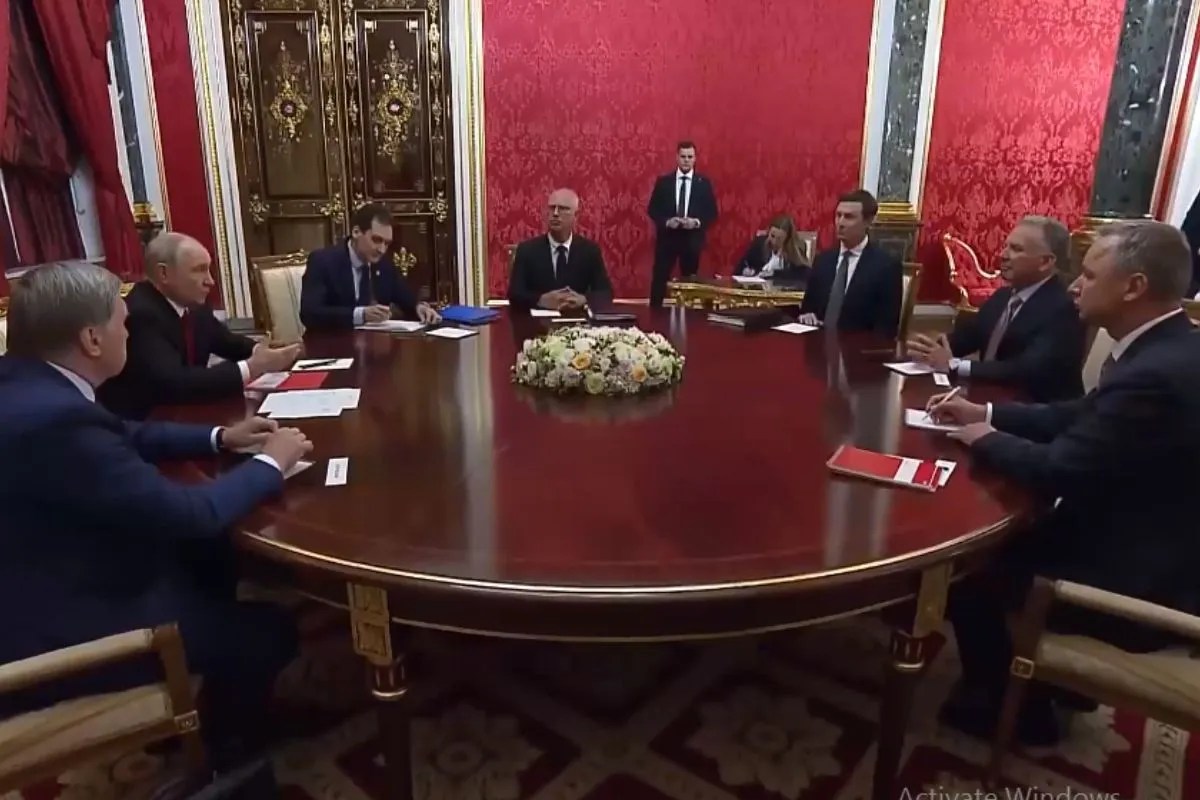
We have watched this tragic script play out for over four grueling years. Thousands dead, cities reduced to ash, and endless diplomatic posturing that ultimately leads nowhere. But something shifted behind closed doors in Moscow. When Donald Trump's special envoy Steve Witkoff and son-in-law Jared Kushner touched down in Russia to meet Vladimir Putin, people dismissed it as another empty photo op. They were wrong to brush it off so quickly.
The stakes in the Russia Ukraine war have reached a boiling point. Trump claims Washington holds a concrete, unreleased roadmap to freeze the conflict. Whether that peace proposal is a stroke of genius or a diplomatic trap depends entirely on how much ground both sides are willing to lose. Let's look past the political theater and examine why this specific push carries genuine weight.
The Kremlin Meeting That Changed the Immediate Calculus
When top-tier American representatives walk straight into the Kremlin, the baseline for negotiations changes overnight. Russian President Vladimir Putin met with Witkoff alongside Kremlin envoy Kirill Dmitriev while ordering a temporary three-day halt on specific attacks. Call it a tactical pause or genuine goodwill; either way, it bought the diplomatic mission crucial breathing room.
You cannot ignore the heavy shadow hanging over these talks. Moscow currently holds roughly 19 to 20 percent of Ukrainian territory—amounting to more than 110,000 square kilometers of contested land. The human toll is staggering, with independent research institutes estimating hundreds of thousands of casualties on both sides and over 16,000 civilian deaths since the full-scale invasion started on February 24, 2022.
Putin's core demands haven't miraculously vanished into thin air. Moscow insists that Ukraine must forfeit control over four specific regions and permanently abandon its aspirations to join NATO. Those are massive red lines. Kyiv knows conceding them means political suicide for President Volodymyr Zelenskyy, yet the sheer exhaustion of a protracted war is forcing painful calculations across Europe and North America.
Why This Peace Push Feels Different From Past Failures
Most international mediation efforts fail because they rely on vague platitudes about peace and stability. This initiative is different because it is tied directly to Washington's shifting political pressure and the raw economic fatigue wearing down both regional combatants.
Zelenskyy invited the American delegation to Kyiv immediately following their Moscow itinerary. That sequence matters. Ukraine isn't being sidelined in a backroom deal brokered entirely by superpowers; Kyiv remains an active, albeit heavily stressed, participant in the scheduling.
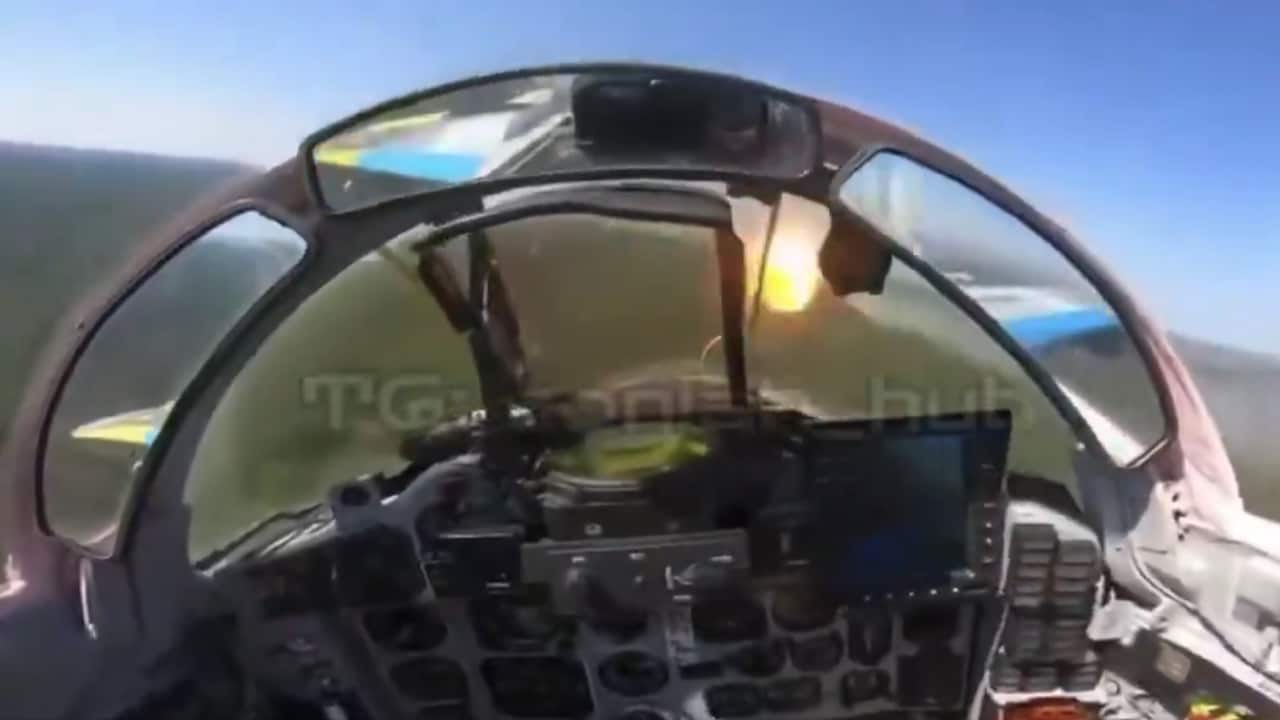
At the same time, expecting immediate harmony is pure fantasy. Even as diplomatic channels opened up, heavy aerial strikes continued overnight in regions like Rostov and Voronezh, proving that battlefield momentum dies hard. Trust is completely shattered. Every missile strike acts as a grim reminder that words in a Moscow boardroom carry zero weight until artillery actually goes silent on the front lines.
The Brutal Reality Facing Western Diplomats
If you expect a neat, clean peace treaty signed next week, you are not paying attention. Territorial concessions are radioactive. No Ukrainian leader can willingly hand over sovereign land without facing fierce internal backlash. Conversely, the Kremlin views its territorial gains as non-negotiable security buffers against Western expansion.
Yet, economic strain and military attrition are forcing both capitals to look at exit ramps. The real test of Witkoff and Kushner's mission won't be what happens in front of the television cameras. It will be whether they can bridge the unbridgeable gap between absolute Russian demands and Ukrainian territorial integrity before global patience runs completely dry.
Stop waiting for a miracle solution. Watch the troop movements, look at the supply lines, and keep your eyes fixed on Kyiv's next official response. The endgame of this conflict is finally taking shape, and the next few weeks will decide if real diplomacy can outlast the bombs.