Donald Trump touched down in suburban Detroit with a clear script: champion domestic manufacturing, defend sweeping economic policies, and rally voters in a critical battleground. But the backdrop of his Michigan trip is dominated by a bruising trade fight with Canada and the awkward reality of a multi-billion-dollar border bridge opening under a diplomatic cloud.
If you look past the standard political theater—including a drag race preview event at a General Motors facility—you find an intense economic pressure cooker. Michigan's automotive backbone relies heavily on cross-border supply chains. When trade policy shifts aggressively, local businesses feel the squeeze immediately.
The Tariff Fallout Hits Michigan's Auto Sector
Trump's visit to Oakland County comes on the heels of a fresh round of steep import levies targeting U.S. trading partners, with Canada singled out for tariffs as high as 50 percent on cars and other products. The administration argues these measures counter discriminatory treatment against American exports.
Local auto suppliers and manufacturers don't see it as a clean win. Parts cross the Detroit-Windsor border multiple times before a vehicle rolls off the assembly line. Adding heavy tariffs to that process drives up production costs.
Voters in swing states care about kitchen-table realities. Inflation is still biting, and gas prices are creeping back up. When a president promotes manufacturing jobs while simultaneously spiking the cost of imported components, ordinary people get caught in the middle.
The Gordie Howe Bridge Drama
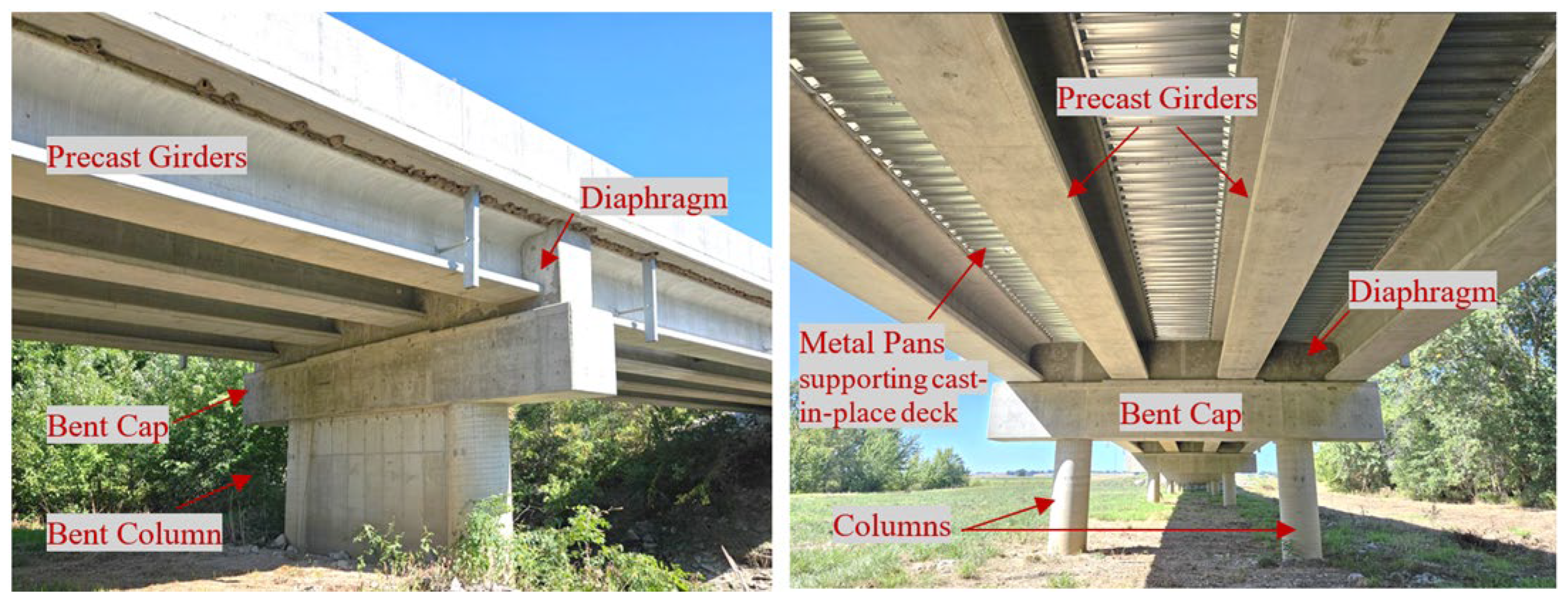
The trade hostility directly sabotaged what should have been a straightforward celebration. The $4.7 billion Gordie Howe International Bridge linking Detroit and Windsor was supposed to debut with a joint ribbon-cutting ceremony shared by U.S. and Canadian officials.
Instead, Canada canceled the joint event. Canadian infrastructure officials made it clear that proceeding with a celebratory party felt inappropriate while facing sudden economic penalties from Washington. Ottawa went ahead with its own inauguration on the Canadian side, leaving U.S. dignitaries entirely absent.
Trump fired back on social media, claiming Canada "disinvited" the United States and declaring that the financial terms of the project had been unilaterally rewritten to give Washington a 50 percent share of the profits. Canadian leaders disputed that the original 2012 construction and toll agreement had legally vanished, but the political damage was done.
The 1.5-mile span—named after the legendary Detroit Red Wings hockey icon—is a vital corridor meant to relieve crippling congestion at the aging Ambassador Bridge. Yet it opened to regular traffic overshadowed by mutual grievances rather than cross-border cooperation.
What This Means for the Midterms
Michigan flipped back to Republicans in the last cycle, but it remains a volatile political landscape. Midterm elections are fast approaching, and control of Congress hangs in the balance.
When politicians campaign in swing districts, they love talking about big numbers and industrial investments. They talk far less about retaliatory measures from trading partners that can stall exports. If Canadian lawmakers follow through on dollar-for-dollar responses, Michigan agricultural and manufacturing sectors will bear the brunt.
Keep an eye on how local business owners adapt to these overlapping pressures. Trade wars rarely stay contained to Washington boardrooms; they show up directly on factory floors and balance sheets across the Midwest.

(mh=Pcg2NpKyTHcOP6_s)0.jpg)