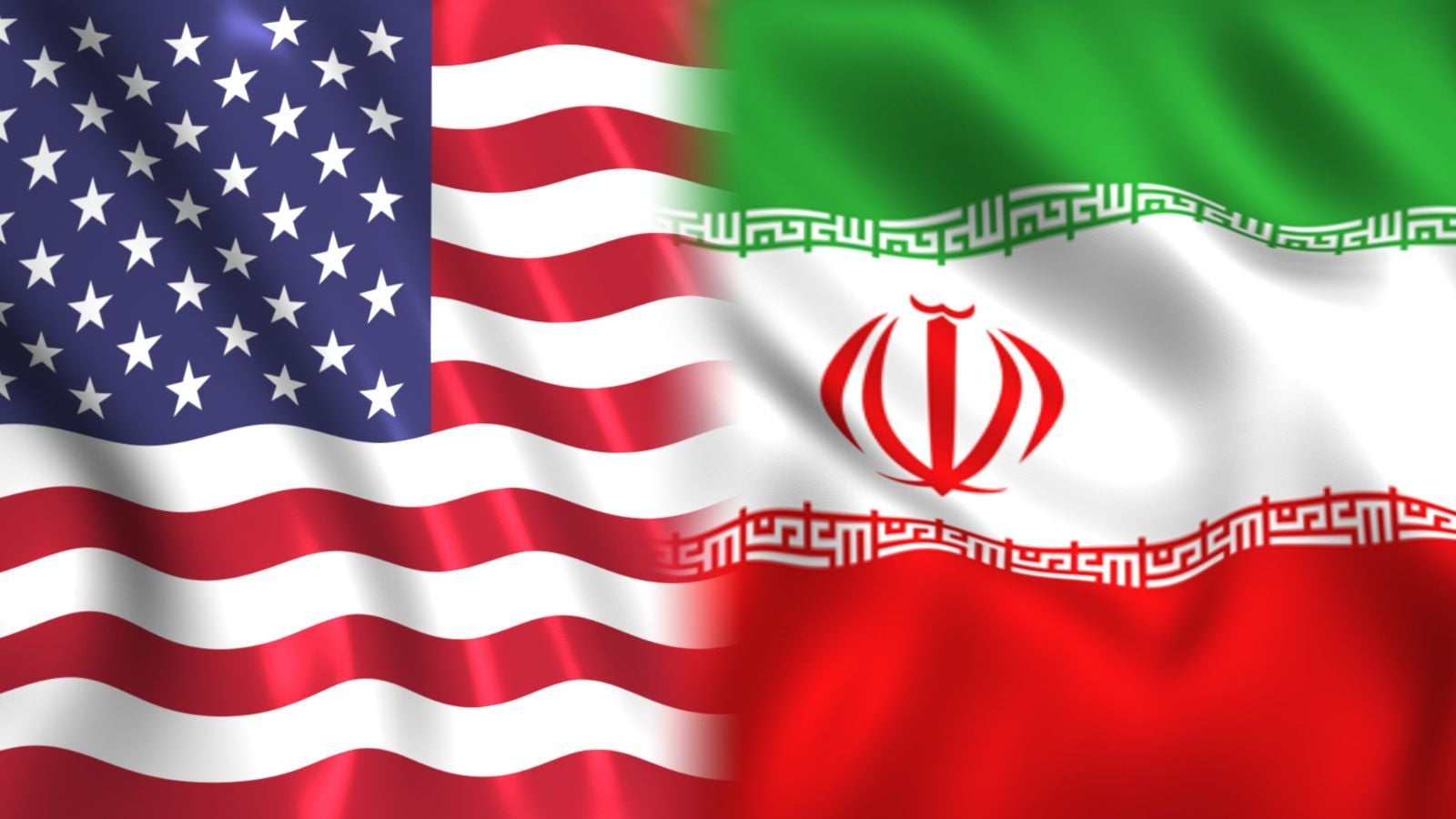
When Donald Trump took to Truth Social to praise a "gesture of goodwill" from Iran, the world paused. For a brief moment, it sounded like two bitter enemies were finally playing nice. Trump announced that an American woman, wrongfully detained since December 2024 under what he called the "presidency" of "Sleepy Joe Biden," had been allowed to leave the country. She was safe, she was in good condition, and Trump was taking a victory lap.
But don't let the warm, fuzzy language fool you.
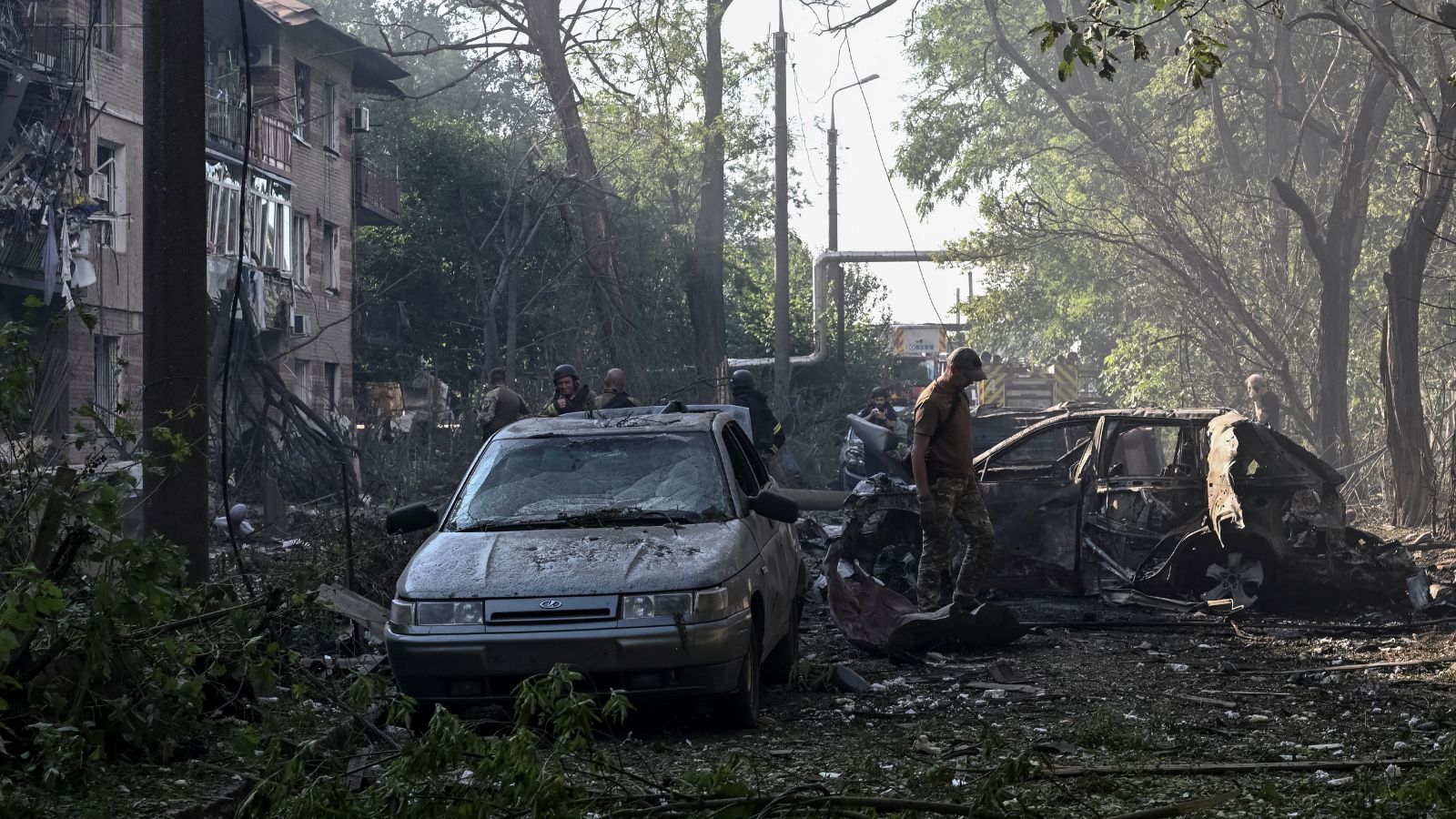
Behind that single post lies a dizzying web of military strikes, shadow diplomacy, billions of dollars in frozen funds, and a quiet proxy war that is anything but peaceful. While Trump was typing out his thanks to Tehran, his own military was launching fresh waves of airstrikes against Iranian coastal defenses and missile sites.
To understand what actually happened, you have to look beyond the social media bravado. The real story of how U.S. citizen Dena Karari escaped the clutches of the Iranian Ministry of Intelligence is a masterclass in high-stakes hostage negotiation, backchannel maneuvering, and calculated geopolitical theater.
Who is Dena Karari and Why Was She Stuck?
For over a year and a half, Dena Karari's life was a living nightmare. She isn't a politician, a spy, or a diplomat. She is a dual U.S.-Iranian citizen who works for an American technology company and founded the Children of Mehr Foundation, a charity dedicated to helping impoverished children back in Iran.
Her work was entirely legal. She operated the charity with direct authorization from the U.S. Office of Foreign Assets Control (OFAC). In December 2024, she traveled to Iran to visit her family. It was a routine trip, but the timing was disastrous. As tensions flared and the U.S. eventually joined Israel in direct military strikes against Iran, the regime did what it always does when it feels cornered: it grabbed a pawn.
Karari was hit with a coercive exit ban. While she wasn't thrown into a dark cell in the notorious Evin Prison, she was effectively a prisoner within Iran's borders. She was subjected to dozens of grueling interrogations by the Ministry of Intelligence and Security. Iranian authorities slapped her with bogus charges of espionage and collaborating with a hostile state.
Her lawyer, Jared Genser, points out that she endured immense physical and psychological hardship during this time. Every day was a calculation of survival.
The Extractor and the Art of the Backchannel
You don't get out of Iran just because you're innocent. You get out because you have the right people pushing the right buttons.
Enter Jared Genser.
If you've never heard of Genser, the international human rights community certainly has. The Guardian once nicknamed him "the extractor". Over the last two decades, he has quietly freed hundreds of political prisoners and wrongfully detained nationals across the globe.
Genser knew that fighting Iran in a public courtroom on "espionage" charges was a dead end. Instead, the strategy required a dual-track approach: relentless legal and human rights pressure on one side, and direct appeal to the transactional nature of the Trump administration on the other.
Genser loudly credited Trump's "extraordinary and relentless efforts" for the breakthrough. It's a smart play. Trump loves being the hero of a hostage rescue story. By framing the release as a personal victory for Trump's foreign policy, Genser ensured the White House kept its foot on the gas.
But Trump wasn't working alone. The real grease on the wheels came from international middlemen who know how to talk to both Washington and Tehran.
The Middlemen of Doha and Islamabad
Hostage deals between countries that are actively trading missile fire don't happen in a vacuum. They are brokered in quiet conference rooms in the Persian Gulf.
Qatar and Pakistan did the heavy lifting here.
Over the course of 2026, Qatari delegations have been playing a dangerous game of shuttle diplomacy. They flew into Tehran for marathon, double-digit negotiation sessions, serving as the essential postmen between the U.S. and Iran.
The primary sticking point wasn't just Karari; it was cash.
Iran has been desperate to unlock billions of dollars in frozen assets. Back in 2023, the U.S. agreed to transfer $6 billion in Iranian funds from South Korea to Qatari bank accounts under a previous prisoner swap. But those funds were re-frozen after regional violence erupted.
Throughout May and June of 2026, Iranian officials—including Parliament Speaker Mohammad Bagher Ghalibaf and Central Bank Governor Abdolnaser Hemmati—made high-profile trips to Doha. They demanded guaranteed access to at least a portion of these blocked assets as a prerequisite for any diplomatic thaw.
By facilitating a creative financial mechanism—where Iran can use these unfrozen funds strictly for humanitarian goods like agricultural imports from U.S. farmers—Qatar managed to give both sides a way to save face. Karari's release was the first major domino to fall under this broader, fragile understanding.
Bombing and Praising: Trump's Whiplash Foreign Policy
The most bizarre aspect of this entire episode is the jarring split-screen reality of U.S. foreign policy.
Look at what happened on the very day Dena Karari was allowed to board her flight out of Iran:
- The Praise: Trump posts on social media, thanking Iran and praising their "gesture of Goodwill".
- The Blockade: The U.S. military announces it is resuming or adjusting its naval blockade on Iranian ports.
- The Bombs: U.S. Central Command (CENTCOM) carries out fresh, aggressive airstrikes targeting Iranian coastal defenses, missile sites, and naval facilities near Bandar Abbas.
It's classic geopolitical whiplash. Trump is essentially saying, “Thank you for the goodwill gesture, now excuse me while I bomb your ports.”
This isn't a contradiction to Trump; it’s the core of his brand. He calls it "peace through strength". In Trump's world, you apply maximum military and economic pressure to squeeze the opponent, but you leave the door open for a deal if they give you a win they can market.
By praising the "goodwill" of the Iranian regime while simultaneously launching airstrikes, Trump signals to Tehran that cooperation yields public praise and potential sanctions relief (like the temporary easing of naval blockades), while defiance results in direct military consequences. It's transactionalism at its most raw.
The Spin vs. The Reality
Trump's political spin was quick to blame Joe Biden for Karari's plight. He pointed out she was detained in December 2024, during Biden's term.
But let's look at the timeline objectively.
While Karari's exit ban was first imposed in late 2024, the situation grew infinitely more dangerous for her after Trump took office and escalated military actions against Iran in 2025. It was the direct military confrontation between the U.S., Israel, and Iran that prompted the Iranian Ministry of Intelligence to escalate her case from a travel dispute to full-blown "espionage" charges.
She was a direct casualty of the escalating war. Using her release as a cudgel to beat up domestic political opponents ignores the reality that she was in far greater danger of being executed or permanently imprisoned because of the geopolitical flames fanned over the last year.
What This Means for Other Detainees
If you're a dual citizen or have family ties to nations currently hostile to the United States, Karari's release carries a few critical, practical lessons.
First, humanitarian cover is no longer a shield. Karari ran a licensed charity that literally fed and clothed poor children. She had an OFAC license. In the past, that might have protected her. Today, authoritarian regimes view local staff and charity workers as prime targets for leverage.
Second, publicity is a double-edged sword. Genser handled this masterfully by keeping the focus on Trump's personal ability to make a deal. If you have a family member detained abroad, the old playbook of "quiet diplomacy" and hoping State Department bureaucrats handle it is dying. You have to make the detention relevant to the person sitting in the Oval Office.
The Next Steps for Travel and Security
This "gesture of goodwill" doesn't mean Iran is safe to visit. Far from it. If you are planning travel or managing operations in high-risk regions, here is what you need to do right now:
- Audit Dual-National Travel: If you or your employees hold dual citizenship with countries like Iran, Russia, or Venezuela, suspend all personal and professional travel to those regions immediately. The risk of "hostage diplomacy" is at an all-time high.
- Secure Local Staff: Genser explicitly called on Iran to drop charges against the local Iranian staff who worked for Karari's foundation. When a foreign national is released, the local staff left behind often bear the brunt of the state's anger. If you run an NGO or business, you must have an evacuation or legal defense plan for your local partners.
- Monitor the Strait of Hormuz: Karari's release is tied to broader talks about shipping lanes and naval blockades. If you are in logistics, maritime shipping, or supply chain management, don't assume this release means the region is stabilizing. Keep your security protocols tight; the underlying conflict is still raging.
Dena Karari is going home, and that is a massive victory for her family and her legal team. But don't mistake a tactical concession for a strategic shift. The missiles are still flying, the blockades are still active, and the game of hostage chess is far from over.