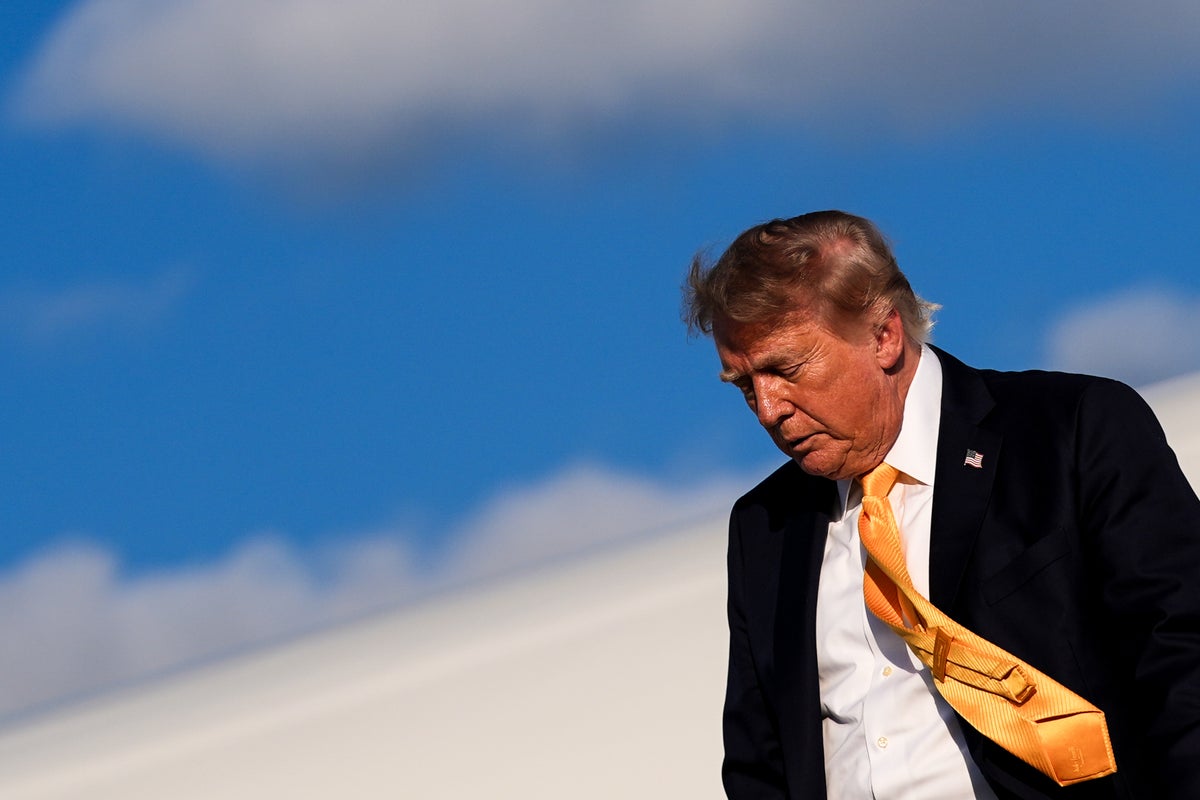
Voters are angry, wallets are empty, and numbers don't lie. Donald Trump’s approval rating just hit a brutal new low, dropping to 33 percent in a Financial Times and Focaldata poll.
If you are a Republican strategist looking at the calendar right now, you are sweating. With November midterm elections looming less than two months away, this slide isn't just a minor statistical blip. It's a flashing red warning siren.
The Economic Reality Check
Let's talk about why the bottom is falling out. It comes down to one thing: money.
Voters do not care about political spin when they are staring down gas pump receipts. Diesel prices recently smashed records, climbing to a national average of $5.85 a gallon. That surge directly traces back to the escalating conflict with Iran, which has thrown global fuel supplies into absolute chaos.
When people feel poorer, they punish whoever holds the keys to the White House. The poll numbers back this up with cold, hard reality:
- Nearly two-thirds of registered voters believe the country's economy is heading in the wrong direction.
- 57 percent state they are worse off financially right now than before.
- Even inside his own party, cracks are showing. Only 53 percent of registered Republicans now back Trump's handling of jobs and the economy, marking an eight-point drop in a single month.
Tariffs and trade policies aren't winning over the electorate either. The majority of Americans polled actively reject the current administration's trade approach, viewing it as a driver of inflation rather than a shield for domestic workers.
The White House Response Versus Main Street
Trump brushed off the escalating crisis during a recent Oval Office exchange, dismissing the military engagement with Iran as "small potatoes" and claiming it's "not a big thing." He even waved off the strategic importance of the Hormuz Strait, arguing that new shipping routes and pipelines make the historic chokepoint obsolete.
Try telling that to logistics companies, truckers, and everyday families paying historic prices to fill up their tanks. There is a massive disconnect between how the administration frames foreign policy conflicts and how those conflicts translate into grocery and fuel prices at home. Downplaying a war while fuel costs skyrocket is a political recipe for disaster.
Party Identification Shifts
The bad news for Republicans stretches beyond just one unpopular president. Party identification numbers are swinging hard in the opposite direction.
Gallup data from the second quarter shows that 31 percent of American adults now identify as Democrats, while only 25 percent claim Republican affiliation. That six-point gap represents the widest Democratic lead in party identification seen in over a decade. Midterm elections are entirely about base energy and independent swing voters. Right now, Democrats have the wind at their backs, and Republicans are playing desperate defense across the map.
What Happens Next
If you want to understand how these numbers will play out in November, look past the national noise and watch suburban House districts.
Independent voters who broke one way in past cycles are currently signaling absolute exhaustion with inflation and foreign entanglements. Republicans must pivot their messaging away from broad economic claims and address cost-of-living pain directly if they want to stop the bleeding. Otherwise, the incoming wave won't just dent their majority—it will wipe it out completely.