Donald Trump just escalated his trade war with Canada to unprecedented heights, claiming the northern neighbor simply cannot survive without American goodwill.
Speaking from the Oval Office, Trump defended his fresh 50% tariff penalty on Canadian imports by insisting that Canada relies entirely on the United States for its economic survival. His blunt assertion comes right after the White House issued three separate proclamations targeting Canadian exports ranging from vehicles to dairy and even hockey sticks. You might also find this related story insightful: Why The Decision To Erase Elor Azaria Record Changes Everything.
If you're wondering how this affects your wallet, the answer is simple. Prices on groceries, construction supplies, and consumer goods are bound to climb if these duties take full effect.
Here's the full reality of what is happening behind the headlines, why the administration picked this specific moment to strike, and what it actually means for businesses and shoppers on both sides of the border. As reported in recent reports by The New York Times, the results are significant.
The Oval Office Declaration That Shook Trade Relations
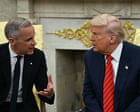
"I love Canada, I love the people of Canada," Trump told reporters during a meeting with Lebanese President Joseph Aoun. "They need us to survive. Without us there's no way they can survive."
That statement sums up the White House strategy. The administration is betting that Canada's economic dependence on American markets gives Washington total power during trade negotiations.
When asked if the aggressive new measures had anything to do with Canadian wildfire smoke drifting across eastern US states, Trump brushed it off, stating that the administration is looking at forest management issues as a completely separate matter. White House aides had previously confirmed that options were being drawn up to penalize Ottawa over air quality concerns.
For now, the formal trigger for these massive import taxes isn't smoke. It's trade retaliation.
Digging Into Smoot-Hawley and Section 338
Trump didn't invoke standard trade executive orders this time. Following a Supreme Court ruling in February that declared his earlier emergency global tariffs illegal, the administration had to pivot to alternative legal tools.
They settled on Section 338 of the Tariff Act of 1930, an obscure provision born out of the Smoot-Hawley era.
This statute gives the president authority to slap custom duties on imports from countries that allegedly discriminate against American commerce or deny American goods equal treatment. The White House claims Canada's provincial bans on US alcohol, its strict dairy quota system, and its retaliatory tariffs on American cars justify using this severe legal hammer.
By reaching back nearly a century for statutory authority, the administration is attempting to build a wall around its trade actions that courts cannot easily tear down.
What Gets Hit and What Gets Spared
The new 50% tariff list covers a surprisingly broad array of daily products. American consumers will likely notice price pressure across several key sectors:
- Canadian wine, spirits, and beer
- Cheese and specialty dairy items
- Passenger motor vehicles and auto parts
- Cement, building materials, and manufactured goods
- Sporting equipment, including iconic Canadian hockey sticks
Crucially, the administration left several massive commodities off the target list. Energy products like crude oil and natural gas remain exempt. Potash fertilizer, fish, and critical minerals are also excluded from the extra taxes.
Leaving energy and fertilizer untouched is a calculated move. Penalizing Canadian crude or agricultural inputs would spike domestic gasoline prices and food production costs almost overnight right before key legislative battles.
Canada's Counterplay and the 30-Day Window
The White House set a 30-day clock before these 50% duties kick in. That creates a high-pressure countdown for diplomatic talks.
Canadian Prime Minister Mark Carney made it clear that Ottawa views these duties as a direct breach of the United States-Mexico-Canada Agreement (USMCA). In a statement, Carney emphasized that trade disputes ultimately hit working families hardest, particularly in the US, but stressed that Canada remains ready to sit down at the negotiating table.
Meanwhile, leaders across Canadian provinces are taking a much harsher tone.
Ontario Premier Doug Ford publicly called for immediate retaliation, urging the federal government to match American duties "dollar for dollar, tariff for tariff." Provincial liquor boards had already pulled American wines and spirits off retail shelves in earlier rounds of the trade dispute, which directly triggered Trump's latest anger over US alcohol sales.
Business groups on both sides are scrambling to prevent a full-scale shutdown of trade lines. Candace Laing, CEO of the Canadian Chamber of Commerce, described the situation as deeply regrettable while pushing both governments to use the 30-day grace period to fix broken ties.
Who Actually Pays for a 50% Tariff?
A common misconception is that foreign nations pay tariff bills directly to the United States Treasury. That isn't how customs duties work in practice.
When Canadian goods enter American ports of entry, the US company importing the shipment pays the duty to US Customs and Border Protection.
Importing businesses face two difficult choices:
- Absorb the extra cost and take a massive hit to their profit margins.
- Pass the cost along to everyday shoppers by raising shelf prices.
Economic research consistently shows that domestic buyers end up carrying almost the entire burden of these import taxes. American automakers rely heavily on cross-border supply chains where components cross the Canadian border multiple times before final vehicle assembly. A 50% tariff on those parts threatens to push car prices higher for American drivers already dealing with broad inflationary pressures.
Practical Steps to Protect Your Wallet and Business
Trade negotiations move fast, but supply chain adjustments take months. If you run a business or want to protect your personal budget from incoming price hikes, you need to act before the 30-day window closes.
Here is what you should do immediately:
- Audit your supply chain for Canadian inputs. Identify whether your suppliers import materials under Section 338 target categories like cement, steel components, or specialized parts.
- Lock in inventory quotes now. If you buy goods sourced from Canada, order necessary inventory prior to the end of the 30-day implementation delay.
- Explore alternative domestic or USMCA suppliers. Check if substitute suppliers exist in Mexico or domestic markets that aren't subject to Section 338 duties.
- Adjust product pricing models. If your small business relies on Canadian imports like specialized food items or alcohol, plan pricing updates now rather than taking a sudden loss when customs fees jump.
- Monitor official United States Trade Representative notices. Tariff enforcement schedules shift quickly based on diplomatic breakthroughs or last-minute exemptions.