The federal government is currently handing back money at a scale that breaks normal treasury math. US Customs and Border Protection just filed court documents showing they have already refunded roughly $100bn in illegal tariffs to American importers.
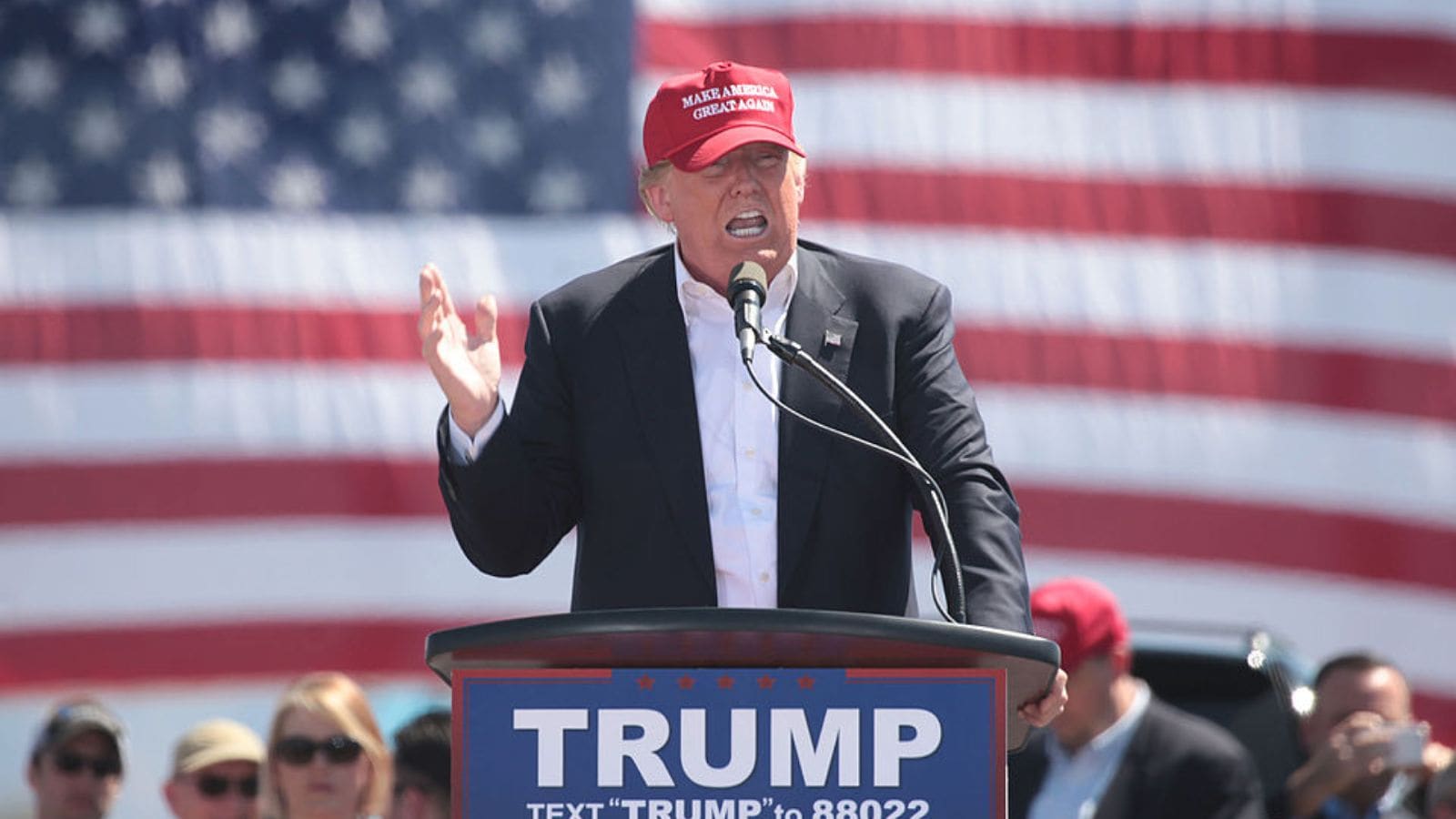
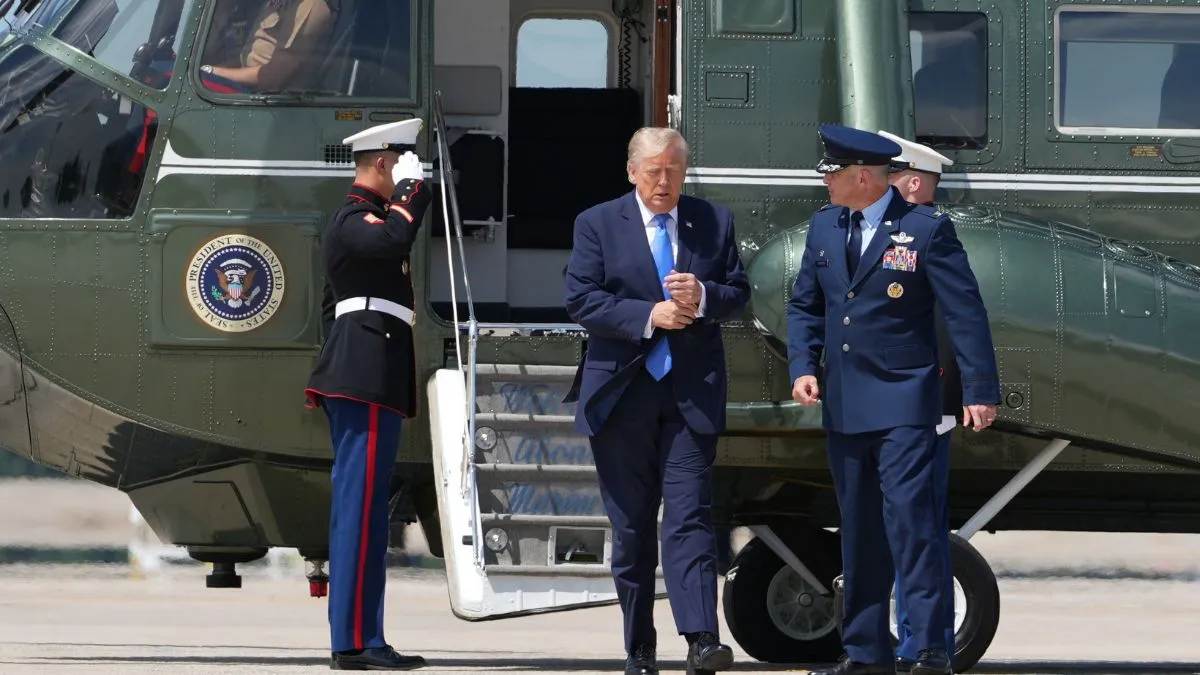
If you've been watching trade news, you know this financial scramble stems from the Supreme Court's 6-3 decision back in February. The high court ruled that Donald Trump overstepped his executive authority by using the 1977 International Emergency Economic Powers Act to levy sweeping duties on trading partners like China, Mexico, and Canada.
Now, the treasury is paying the price. Net customs revenue turned severely negative through May and June as checks went out. But getting these massive tariff refunds isn't a clean fix for the broader economy. Most everyday shoppers are asking if any of these billions will actually hit consumer bank accounts. The short answer is no.
Where the 100 Billion Dollars Actually Went
Let's look at the mechanics of how these duties work. When the White House originally instituted its broad import taxes, companies designated as the "importer of record" paid the bills at the border. Corporate giants like Walmart, major automotive supply chains, and large industrial shippers absorbed these initial costs or passed them down the line.
When the Supreme Court tossed out the tariff regime, those same importers of record stood in line for payouts. US Customs officials reported that out of roughly $128.68bn earmarked as certified or potential returns, more than three-quarters has already been dispatched.
Small businesses purchasing goods through third-party intermediaries often found themselves locked out of the reimbursement pipeline. The legal framework only recognizes the direct importer of record. If you're a boutique retailer who bought imported inventory marked up by a wholesale distributor, you absorbed the pain, but you aren't seeing a check from the government.
The Consumer Mirage
Politicians on Capitol Hill have argued vociferously that these refunds belong to the public. Lawmakers point out that American families paid inflated prices for electronics, apparel, and household goods while the levies were active.
Yet, economic reality doesn't work that way. Corporate pricing structures are sticky. When import taxes went up, companies raised retail prices to protect their margins. Now that billions in tariff refunds are flowing back to corporate balance sheets, companies aren't automatically lowering prices on store shelves. That money flows directly back into corporate liquidity, capital reserves, or shareholder dividends.
Economists note that the psychological and financial damage of trade volatility cannot simply be refunded away. Businesses paused expansion plans, froze hiring, and restructured supply chains overnight to deal with shifting trade policies throughout 2025. You can't write a Treasury check to reverse a lost business opportunity.
A Never-Ending Cycle of Trade Battles
The White House hasn't slowed down its trade agenda despite getting rebuked by the judiciary. Just last month, the administration rolled out fresh levies ranging from 10% to 12.5% on imports from dozens of nations, tying the new duties to forced labor investigations.
That move triggered immediate pushback. A coalition of 25 state attorneys general, spanning states like California, New York, and Arizona, filed federal lawsuits to block the new rules. They argue these labor-focused duties are just a transparent workaround to revive the exact reciprocal tariffs the Supreme Court struck down months ago.
Companies caught in the middle are exhausted. Supply chain managers are dealing with a whiplash effect where old taxes disappear into massive refund programs while new ones materialize under different legal justifications.
What Importers Need to Do Right Now
If your business paid into the invalidated tariff regime and you haven't secured your returns yet, stop waiting for automated relief.
First, audit your past entries to verify your status as the importer of record. If you used customs brokers, make sure they are actively interfacing with the automated commercial environment systems to track your certified refund pools.
Second, keep a close eye on ongoing litigation regarding interest payouts. Importers owed money are often entitled to statutory interest rates on overpayments, but claiming those amounts requires precise documentation.
Finally, build maximum flexibility into your inventory sourcing. Relying on single-country suppliers while trade policy shifts on a monthly basis is a financial hazard. Diversify your logistics channels now before the next round of court battles alters the import landscape again.