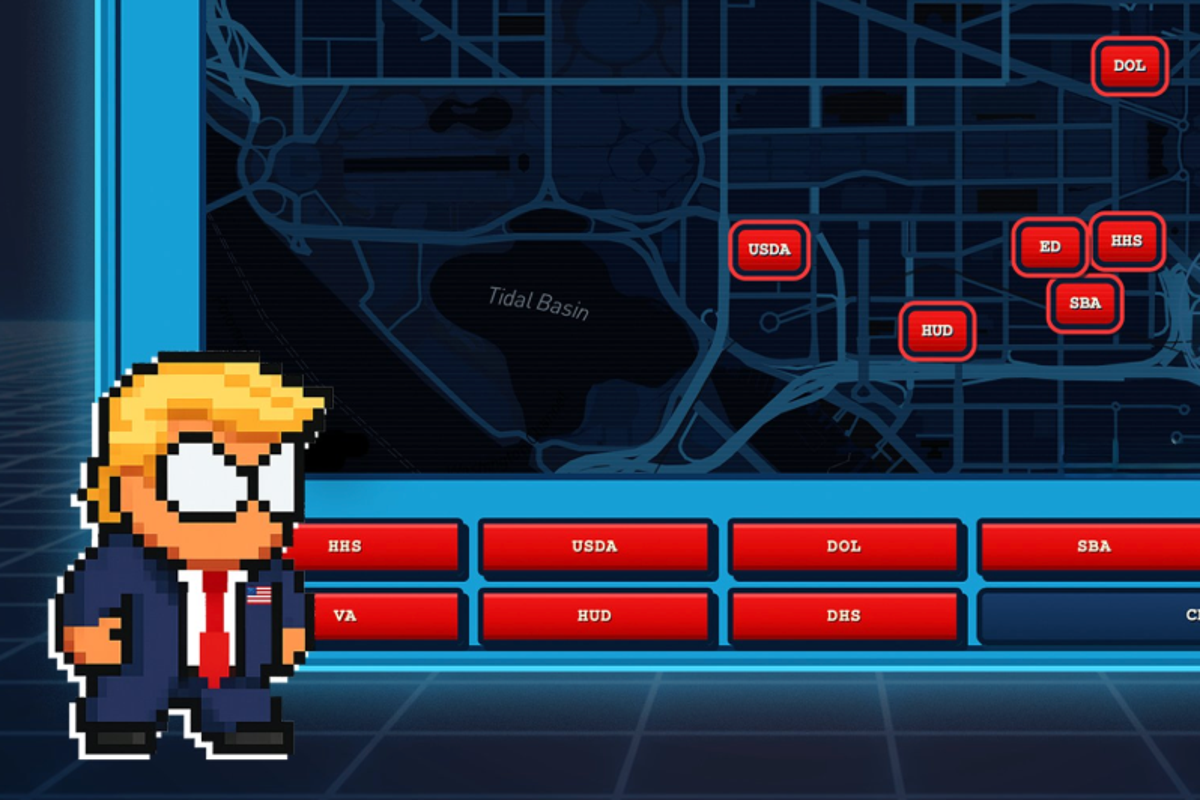
Politics stopped being boring a long time ago. Now, it runs on viral memes, internet subculture, and bizarre digital stunts that leave everyone staring at their screens in absolute disbelief. Donald Trump pretending to be Spider-Man on a new White House tracker website takes this chaotic reality to a whole new level.
Let's break down what actually happened. The administration rolled out a digital dashboard supposedly designed to track eliminated government fraud and misappropriated funds across Washington. Standard bureaucratic fare, right? Except instead of boring spreadsheets or dull charts, the interface features pixelated and AI-adjacent imagery casting the president himself as the iconic web-slinging superhero. It is weird. It is loud. And honestly, it completely blurs the line between official state communication and a shitpost on social media.
We have entered an era where governance and internet trolling are practically the same job.
The Mechanics of Meme Governance
Why would any administration choose to brand a federal financial tracker with comic book graphics? Because nuance is dead, and attention is the only currency that matters. If you drop a regular PDF report about fiscal waste, nobody reads it. Print journalists write three niche articles, budget nerds nod along, and the public scrolls right past it.
Turn the president into a comic book character, though? Suddenly, everyone is talking about it.
Critics call it undignified. Fans call it genius marketing. The truth sits somewhere in the messy middle, where public policy is reduced to viral shock value. When the White House uses pop culture figures to push official narratives—whether it is tweaking movie intros or dressing up executives in spandex metaphors—they are bypassing traditional media filters entirely. They want direct, unfiltered engagement, even if it means turning national governance into an ongoing internet spectacle.
The Copyright and Cultural Clash
Naturally, borrowing intellectual property belonging to Marvel and Sony doesn't happen without friction. Fans online immediately lost their minds, questioning why a corporate superhero who historically stands up for the working class and marginalized communities was being co-opted for state policy messaging. Reddit threads and social media feeds exploded with complaints urging copyright holders to take action against the unauthorized use.
Yet, political teams know exactly what they are doing when they pull these stunts. Even negative attention drives impressions. By the time copyright lawyers draft a polite cease-and-desist letter, the image has already been shared ten million times. The message is locked into the algorithm.
We are watching the total gamification of political communication. Every single digital asset is designed to trigger a reaction, provoke an argument, or dominate the 24-hour news cycle.
What This Means Moving Forward
If you are hoping politics will eventually return to dry press briefings and sober policy papers, give it up. That ship sailed years ago. The success of these digital stunts guarantees we will see even wilder visual choices from political offices of all stripes. When absurdity works, politicians double down.
Pay attention to the distraction, but don't lose sight of the policy hiding behind the meme. Behind the comic book graphics and pixelated costumes, real budget decisions are being made and real systems are shifting. Cut through the noise, look past the theater, and focus on what the administration is actually doing while everyone else is busy arguing about the costume.
White House Uses Spider-Man Imagery to Tout Immigration Crackdown!
This video explores how recent White House media strategies incorporating Spider-Man imagery sparked intense online debates and widespread public reactions.
http://googleusercontent.com/youtube_content/1