The fragile diplomatic pause in the Middle East just shattered. Iran launched ballistic missiles toward American installations in Jordan, prompting a furious reaction from Washington and sending global oil markets into an immediate panic.
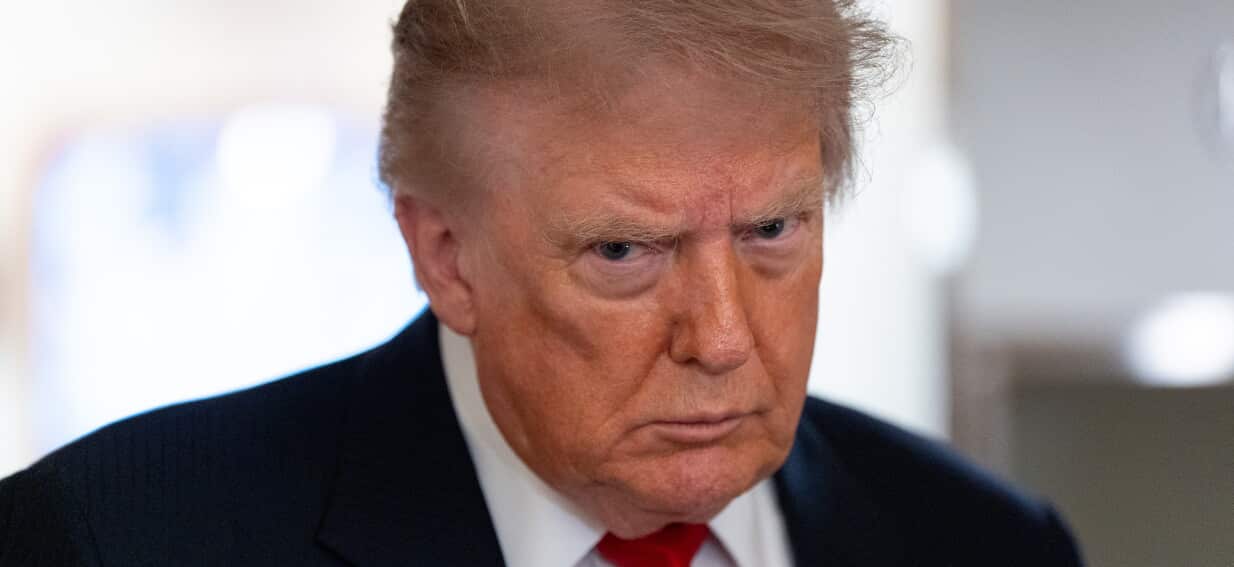
US President Donald Trump didn't mince words when reacting to the escalation. Speaking to reporters and media correspondents, he made it clear that the response from the White House would be uncompromising.
"We'll be hitting them hard. They're going to get a beating," Trump told reporters, using blunt language to emphasize the severity of the planned US military action.
When missile fire hits regional allies and American infrastructure, the calculus changes overnight. Here is a breakdown of how the conflict reached this boiling point, what happened on the ground, and why the fallout will impact global markets for weeks.
The Breaking Point in Jordan
Jordanian armed forces confirmed that incoming missiles from Iranian territory crossed into their airspace. Air defense batteries successfully intercepted multiple projectiles, preventing catastrophic structural damage and massive casualties.
However, the symbolic and strategic weight of the attack cannot be overstated. By targeting a key US ally like Jordan, Tehran signaled that no regional neighbor hosting American assets is off-limits.
The Islamic Revolutionary Guard Corps quickly claimed responsibility for the barrage. They framed the operation as a direct answer to ongoing Western military pressure and joint operations.
Expanding Strikes Across Iraq and Border Regions
The confrontation isn't isolated to Jordanian airspace. Simultaneous military movements have widened the theater of operations across multiple borders.
Saudi Arabia and the United States launched coordinated air campaigns targeting Iran-backed militant infrastructure inside Iraq. These strikes hit logistics hubs and weapons depots belonging to militias aligned with Tehran, including elements of the Hashed al-Shaabi alliance.
Regional security analysts point out that Tehran relies heavily on its proxy network to absorb diplomatic pressure while keeping active pressure on Western assets. This decentralized warfare allows Iran to project power without engaging in direct, all-out conventional army-to-army combat, though it consistently risks pulling neighboring sovereign states into the crossfire.
Meanwhile, Iranian state media reported retaliatory or secondary American airstrikes near the border with Iraq, specifically highlighting incidents in West Azerbaijan province. While local officials reported that some missiles struck uninhabited areas with minimal immediate casualties, the tit-for-tat tempo leaves little room for de-escalation.
Shockwaves Through Global Markets
Markets hate uncertainty. The sudden collapse of the brief diplomatic lull sent global energy prices soaring immediately.
Crude oil benchmarks jumped roughly five percent within hours of the attacks. Traders are pricing in severe risks of supply chain disruptions, particularly around vital maritime chokepoints like the Strait of Hormuz.
Iran has repeatedly claimed control over the strait, attempting to restrict vessel transit and impose unauthorized fees on cargo ships passing through the critical energy corridor. Washington has rejected these moves outright, vowing to keep international shipping lanes open by force if necessary.
What Comes Next
Diplomacy is officially on life support. Hopes for a renewed negotiating track have dissolved under the weight of ballistic missile interceptions and retaliatory airstrikes.
As the Pentagon prepares its next wave of operations following Trump's directives, the immediate future points toward a prolonged military standoff. Expect heightened security alerts across all US military installations in the Middle East, continued volatility in oil trading pits, and further kinetic exchanges as both sides refuse to back down.