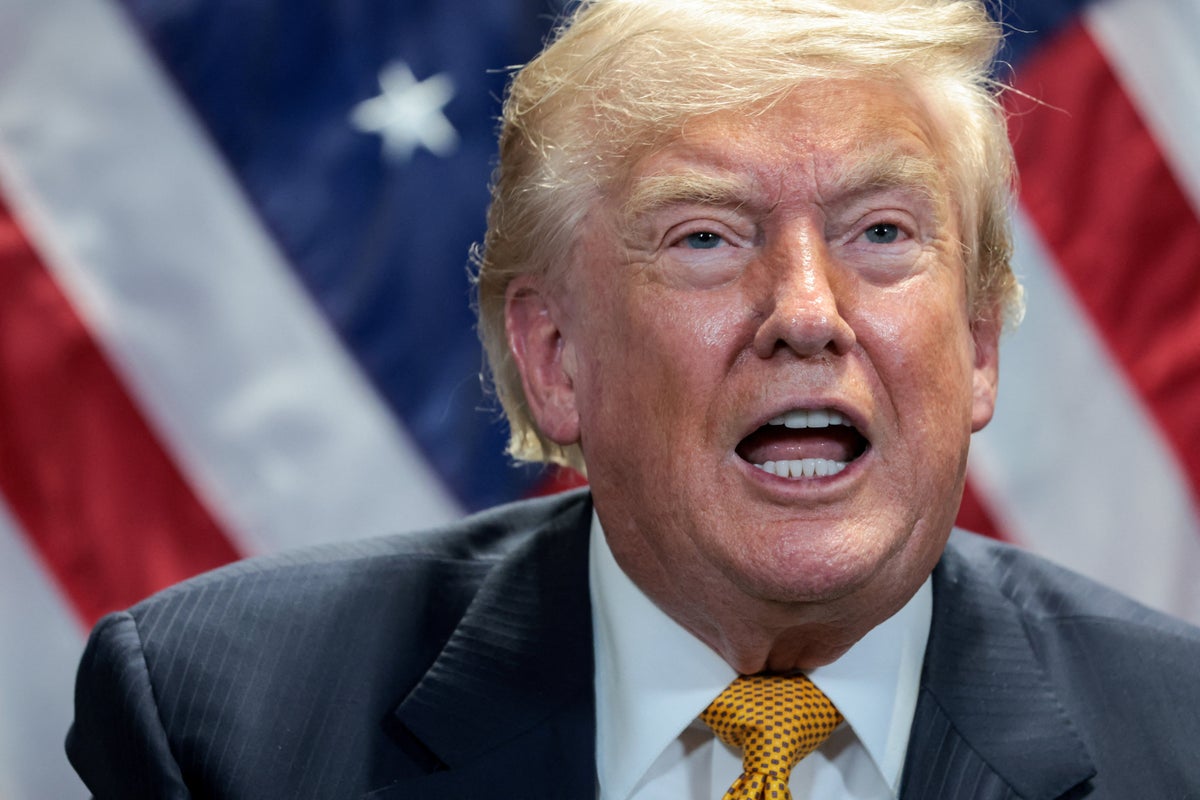
Donald Trump just blew up the fragile Middle East peace narrative, and he did it on European soil. Arriving at the Nato summit in Ankara, the US president made it clear that the short-lived ceasefire with Iran is officially dead. Sitting right next to Nato Secretary General Mark Rutte, Trump didn't mince words. He called the Iranian leadership "scum" and "vicious, violent people," declaring that as far as he's concerned, the truce has reached its expiration date.
This isn't just standard campaign-trail rhetoric. It's a massive geopolitical shift that leaves European allies scrambling. The timing couldn't be worse for the alliance, which was trying to focus on defense spending targets and the ongoing war in Ukraine. Instead, Trump completely hijacked the agenda before the opening ceremony even finished.
If you're wondering why the regional temperature just hit boiling point, look at the timeline. The collapse didn't happen in a vacuum. It follows a direct escalation in the Persian Gulf where Iranian forces targeted three commercial vessels. Washington responded by launching immediate airstrikes on over 80 Iranian targets around the Strait of Hormuz. Trump also revoked a vital temporary sanctions waiver that allowed Tehran to export oil. The message from the White House is unmistakable: the diplomatic experiment is over, and the bombing campaign is back on the table.
The Strait of Hormuz Chokehold and the Apache Trigger
To understand why this ceasefire disintegrated so fast, you have to look at what's happening on the water. Trump's frustration has been building for weeks. He openly complained that Tehran was dragging its feet during negotiations, using the peace talks as a tactical delay mechanism.
The real breaking point occurred when a US Apache helicopter was shot down over the Strait of Hormuz. For the White House, that was the ultimate red line. Defense Secretary Pete Hegseth wasted no time blaming Iran for failing to seize the window of opportunity for peace. Trump defended the renewed military posture directly from the Oval Office, stating that the downed helicopter gave the US every right to resume its offensive operations.
It's not just about a single aircraft, though. The broader strategic goal is total maritime control. The US military has been maintaining a heavy naval blockade around the region, trying to force Iran to reopen shipping lanes. The administration's long-term plan involves a highly aggressive push to seize control of Iran's energy infrastructure. Trump has explicitly threatened to take Kharg Island—the primary hub for Iranian oil exports—to dominate the energy markets.
Europe Stares Down a Two Front Security Crisis
European leaders are privately panicking. They walked into the Ankara summit hoping to nail down commitments for the ambitious 5% GDP defense spending target established at last year's Hague summit. They wanted a unified front against Russian aggression and a structured plan to keep supporting Ukrainian President Volodymyr Zelensky.
Instead, they got a furious American president who is visibly fed up with his allies. Trump used the summit breakfast to rail against European defense procurement, even threatening to cut off all trade with Spain over budget disagreements. He also repeated his bizarre, ongoing demand to purchase Greenland, further souring the mood before the main working sessions even began.
This leaves Europe in an incredibly vulnerable position. Zelensky is pushing hard for more European defense autonomy, worried that the escalating conflict with Iran is permanently diverting American military attention and resources away from Kyiv. With Ukrainian drones striking deeper into Russian territory to cut supply lines, Europe needs reliable American backing. Trump's sudden pivot back to an active war footing in the Middle East leaves the alliance fractured when it needs cohesion the most.
Why the Current Diplomatic Strategy Failed
The fundamental flaw in the diplomatic approach over the last year was a total mismatch of expectations. The Trump administration viewed the April ceasefire as a pathway to force a quick, business-style deal on nuclear infrastructure and regional influence. They expected economic pressure to dictate terms.
Tehran saw it differently. Regional experts note that Iran's leadership viewed the ceasefire as a strategic trap designed to neutralize their leverage. They believe their regional proxy network and nuclear capabilities are existential assets, not bargaining chips to be traded away under economic duress.
Furthermore, international leverage has completely dried up. China has remained comfortably on the sidelines, happy to buy discounted oil through backchannels without getting its hands dirty. The European Union has struggled to maintain any real relevance or mediation power. At the same time, Israeli Prime Minister Benjamin Netanyahu has little incentive to see a quick resolution, as the broader regional conflict keeps pressure focused on hostile actors along Israel's borders.
What Happens Next
The immediate outlook points toward rapid military escalation rather than a return to the negotiating table. Investors should brace for significant volatility in global energy markets as the threat of a complete shutdown of the Strait of Hormuz looms larger. Shipping companies are already rerouting vessels away from the Gulf, driving up insurance premiums and logistics costs.
Expect the Pentagon to ramp up its naval presence in the Persian Gulf to enforce the blockade, while Iran will likely rely on asymmetric warfare, utilizing mines, drone swarms, and proxy forces to disrupt commercial shipping. For Europe, the immediate priority is damage control at the summit. Leaders must secure bilateral guarantees on Ukraine funding before Trump decides to completely walk away from the alliance's core mission.