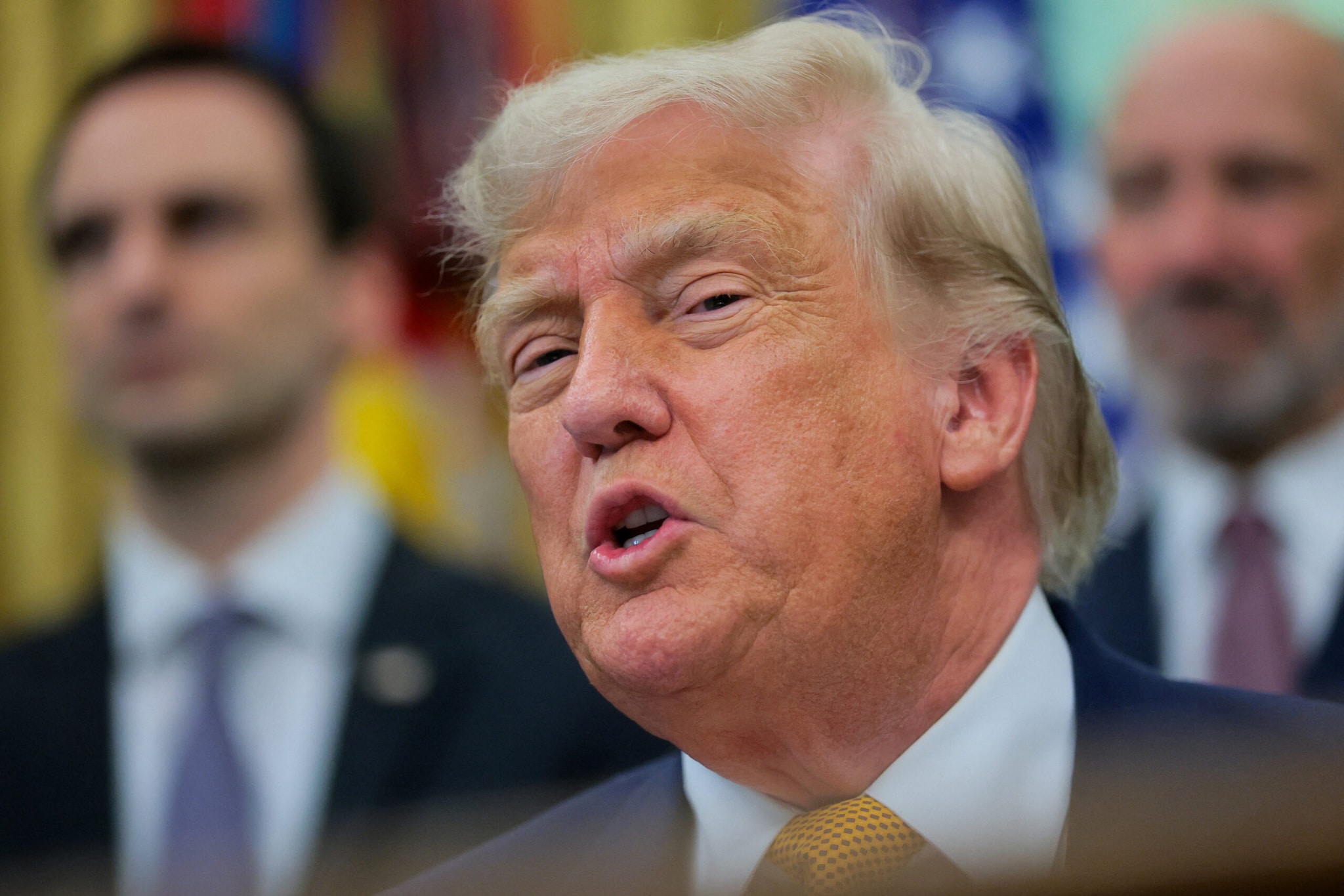
The race for quantum supremacy just got a concrete deadline. President Donald Trump signed two aggressive executive orders aimed at building a scientifically useful quantum computer by 2028. If you think this is just another political photo op about futuristic tech, you're missing the real story.
This isn't about bragging rights. It's about a looming national security nightmare that could completely break the internet as we know it.
The White House wants to accelerate both the offensive and defensive sides of quantum technology. While one order focuses on delivering a functional quantum machine to a Department of Energy national lab within two years, the second order quietly addresses a much more urgent threat: the total collapse of modern encryption.
The strategy is loud, fast, and highly risky. Here is what is actually happening behind the closed doors of the Oval Office and why the federal government is suddenly panicking about qubits.
[Image of hydrogen fuel cell]
The 2028 Blueprint and the Fight With China
For years, the timeline for a practical quantum computer sat comfortably in the "next decade" category. Big tech firms like IBM, Google, and Microsoft have been aiming for large-scale commercial quantum systems around 2029. Trump's new directive intentionally undercuts that timeline, forcing federal agencies to work with private tech vendors to deliver a machine by 2028.
Michael Kratsios, director of the White House Office of Science and Technology Policy, clarified that the government isn't trying to build a massive commercial behemoth right away. Instead, they are treating the 2028 target as a stepping stone. They want a machine focused specifically on application development and discovery science. Think of it as a bare-bones, highly specialized super-processor designed to jumpstart breakthroughs in chemistry, materials science, and drug discovery before the private sector finishes its own chips.
But the real urgency comes from Beijing. China has spent billions on massive quantum research facilities in Hefei and has already demonstrated impressive breakthroughs in quantum communications. The Trump administration sees this as a technological arms race with existential consequences. If China hits the milestone first, Western military logistics, financial systems, and intelligence networks become instantly vulnerable.
The Secret Threat of Steal Now, Decrypt Later
The second executive order reveals the true anxiety driving this sudden policy push. Dubbed "Securing the Nation Against Advanced Cryptographic Attacks," it forces federal agencies to overhaul their entire digital infrastructure.
Why the rush if a fully capable quantum computer doesn't exist yet? Because America's adversaries are already stealing encrypted data today.
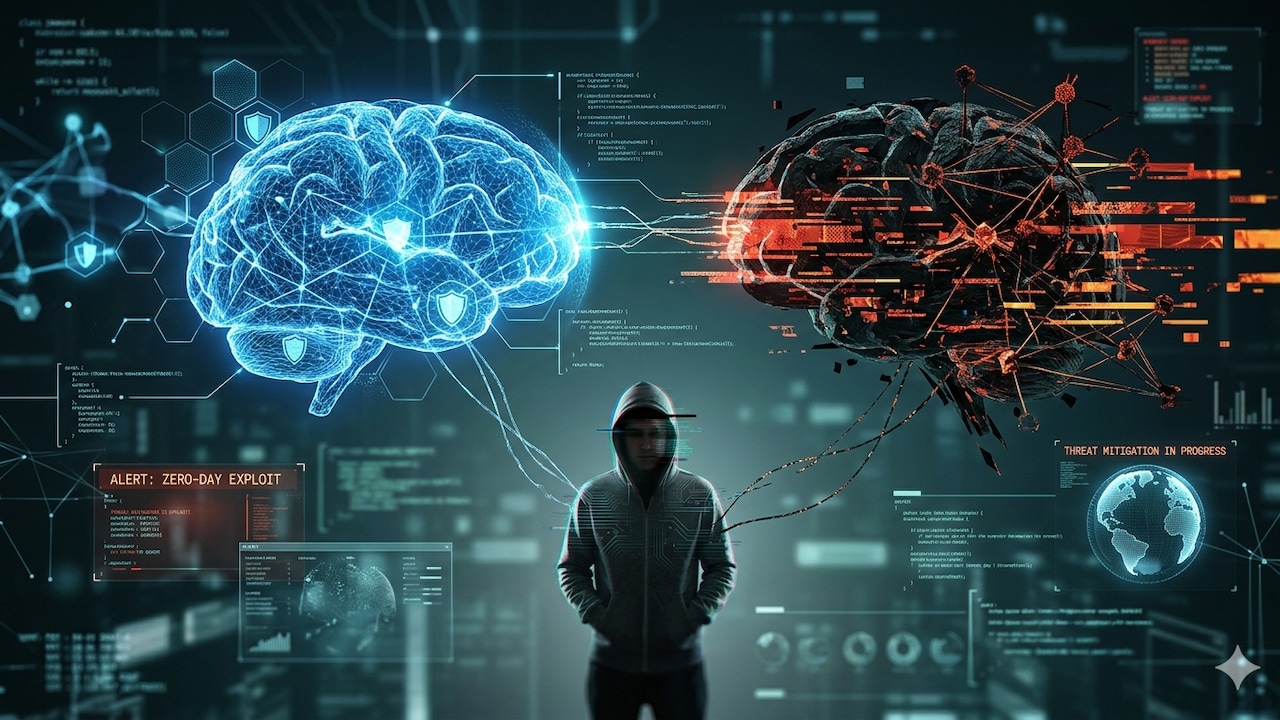
Foreign hackers don't need a quantum computer right now to cause damage later. They are intercepting and storing massive amounts of encrypted U.S. government communications, military plans, and intellectual property today. They are simply warehouse-housing this data, waiting for the day a powerful quantum computer is turned on. Once a machine with enough stable qubits exists, they can feed the old encrypted files into it and crack them in seconds.
To counter this, the new directive sets strict deadlines for migrating high-value government assets to post-quantum cryptography.
- Agencies must designate a specific migration lead immediately.
- The Department of Commerce must wrap up a migration pilot project by December 31, 2027.
- Core federal computing systems must completely transition to quantum-proof encryption by 2030 and 2031.
The administration has already poured $625 million into national quantum research institutes. Now, they are shifting away from a slow checklist approach to forcing fast, massive procurement of quantum-resistant security software.
Battlefield Quantum Sensors
The directive contains another fascinating mandate that has nothing to do with code-breaking. The Pentagon must begin deploying quantum sensors in the field by 2028.
This is a brilliant tactical pivot. While building a quantum computer takes massive infrastructure and cryogenic cooling, quantum sensing is much closer to reality.
In a modern conflict zone, electronic warfare is brutal. Adversaries routinely jam or spoof GPS signals, leaving aircraft, drones, and naval ships blinded. Quantum sensors measure microscopic changes in gravitational and magnetic fields. Because they don't rely on satellites, they are completely immune to traditional jamming. A fighter jet equipped with these sensors can navigate perfectly through contested airspace without ever turning on a GPS receiver.
The Reality Check on the 2028 Deadline
Let's be completely honest about the tech: the 2028 timeline is an incredibly tight squeeze.
Unlike standard computers that use bits representing a strict 1 or 0, quantum computers use qubits. Because of quantum physics, qubits can exist as both a 1 and a 0 simultaneously. This allows them to calculate millions of possibilities at once.
The problem is that qubits are notoriously delicate. The slightest temperature change or stray electromagnetic wave causes them to lose their quantum state, leading to massive calculation errors. Right now, no existing hardware comes close to the stable, error-corrected scale needed for genuine scientific discovery. Quantum timelines have historically slipped by years because the physics are just that brutal.
Furthermore, this 2028 deadline is a statement of intent, not a fully funded, ironclad contract. While the Commerce Department recently announced plans to take $2 billion in equity stakes across nine quantum companies—including a venture with IBM—the government will still need massive, sustained cooperation from private Silicon Valley tech giants to pull this off.
Next Steps for Tech and Security Leaders
If you manage enterprise IT, run a tech company, or handle sensitive data, you can't afford to treat this as a distant government project. The federal deadlines will rapidly reshape the commercial tech market.
First, audit your data retention policies. If you are storing long-term sensitive data under standard encryption, understand that its shelf-life is ticking down.
Second, start asking your software and cloud vendors about their specific roadmaps for post-quantum cryptography. The federal government is about to inject hundreds of millions of dollars into security vendors who build quantum-resistant products. The tools are coming to the commercial market fast, and early adoption is no longer a luxury.