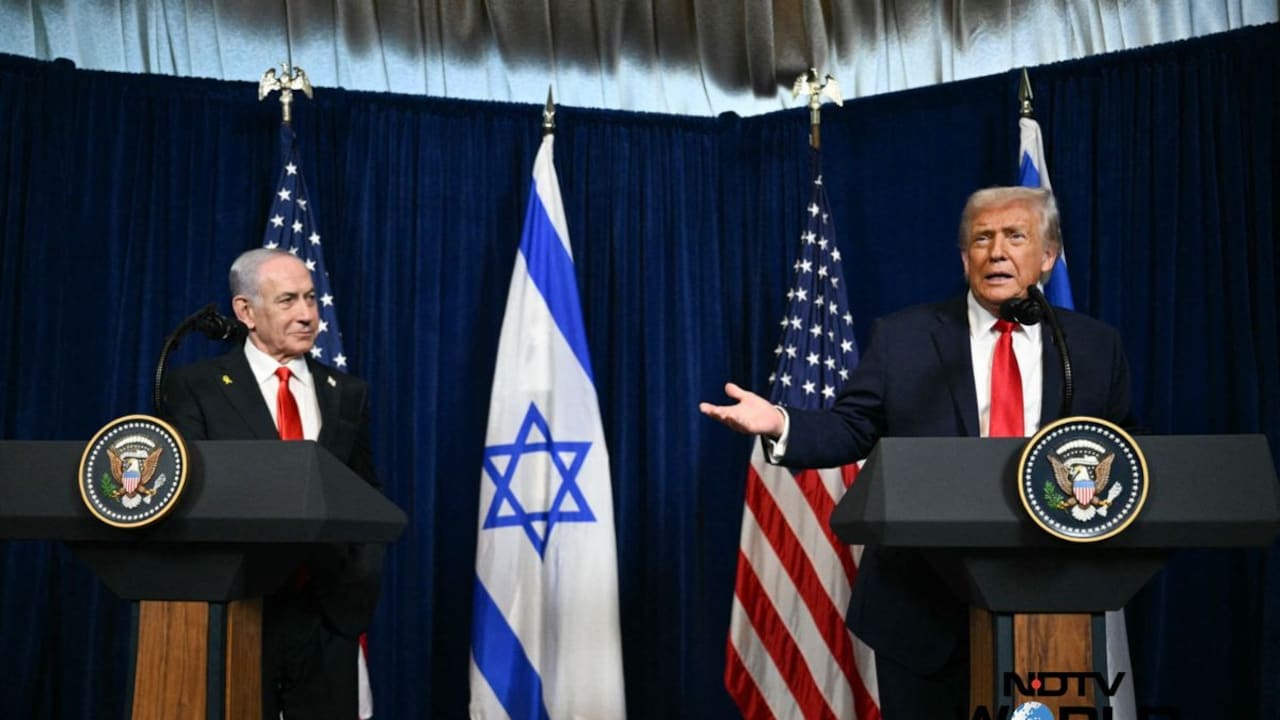
Headlines scream about an all-time low between Washington and Jerusalem, but Donald Trump insists everything is fine. You shouldn't believe the surface-level PR. The real story behind the public diplomacy is a grinding collision of political survival and American frustration over the ongoing war in Gaza.
When Benjamin Netanyahu officially rejected the 15-point peace plan drafted by the US-led Board of Peace, it wasn't just a routine disagreement. It was a direct thumb in the eye of an American president who expects quick victories. The blueprint demanded a phased withdrawal of Israeli forces paired with Hamas disarming. Netanyahu balked, telling reporters that Israel won't pull back a single troop until total eradication and disarmament happen on his terms. Discover more on a related issue: this related article.
Yet, standing in the Oval Office, Trump brushed the tension aside with a simple phrase. He claimed the relationship remains very good. Why downplay a massive diplomatic fracture? Because both leaders depend on the illusion of unity.
The Politics of Convenience
Netanyahu is walking a tightrope. His right-wing coalition partners have threatened to blow up his government if he signs off on any deal that smells like a compromise on Gaza. He's facing tough domestic pressures and upcoming parliamentary hurdles, making a hardline stance his only real option for political survival. Standing up to the White House plays well with his base, even if it infuriates the people writing Israel's military checks. More reporting by BBC News delves into comparable perspectives on the subject.
On the other side, Trump wants foreign policy wins, not endless quagmires. His administration rolled out the 15-point framework to close the chapter on the Gaza conflict and shift focus elsewhere. Netanyahu's refusal to play along threatens those ambitions.
"Allies can sometimes disagree, even in a very real way," a senior White House official noted behind closed doors, though public messaging remains tightly managed.
✨ Don't miss: this story
Why This Time Is Different
We have seen friction between US presidents and Israeli prime ministers before. Barack Obama and Netanyahu openly sparred over the Iran nuclear deal. Bill Clinton and Yitzhak Rabin had plenty of tense phone calls.
This time feels heavier because of how publicly it's playing out. Netanyahu is playing a dangerous game. He is betting that domestic Israeli politics will shield him from American retaliation. Meanwhile, Washington is discovering that its leverage has limits when dealing with a leader who has nothing left to lose.
If you look past the scripted talking points, the alliance is strained to its breaking point. Trump needs a compliant partner to secure his regional roadmap. Netanyahu needs an endless security posture to keep his coalition intact. Those two goals cannot coexist.
Watch what happens on the ground over the next few weeks, not what they say at press conferences. Real policy shifts happen in the quiet spaces between the shouting matches.