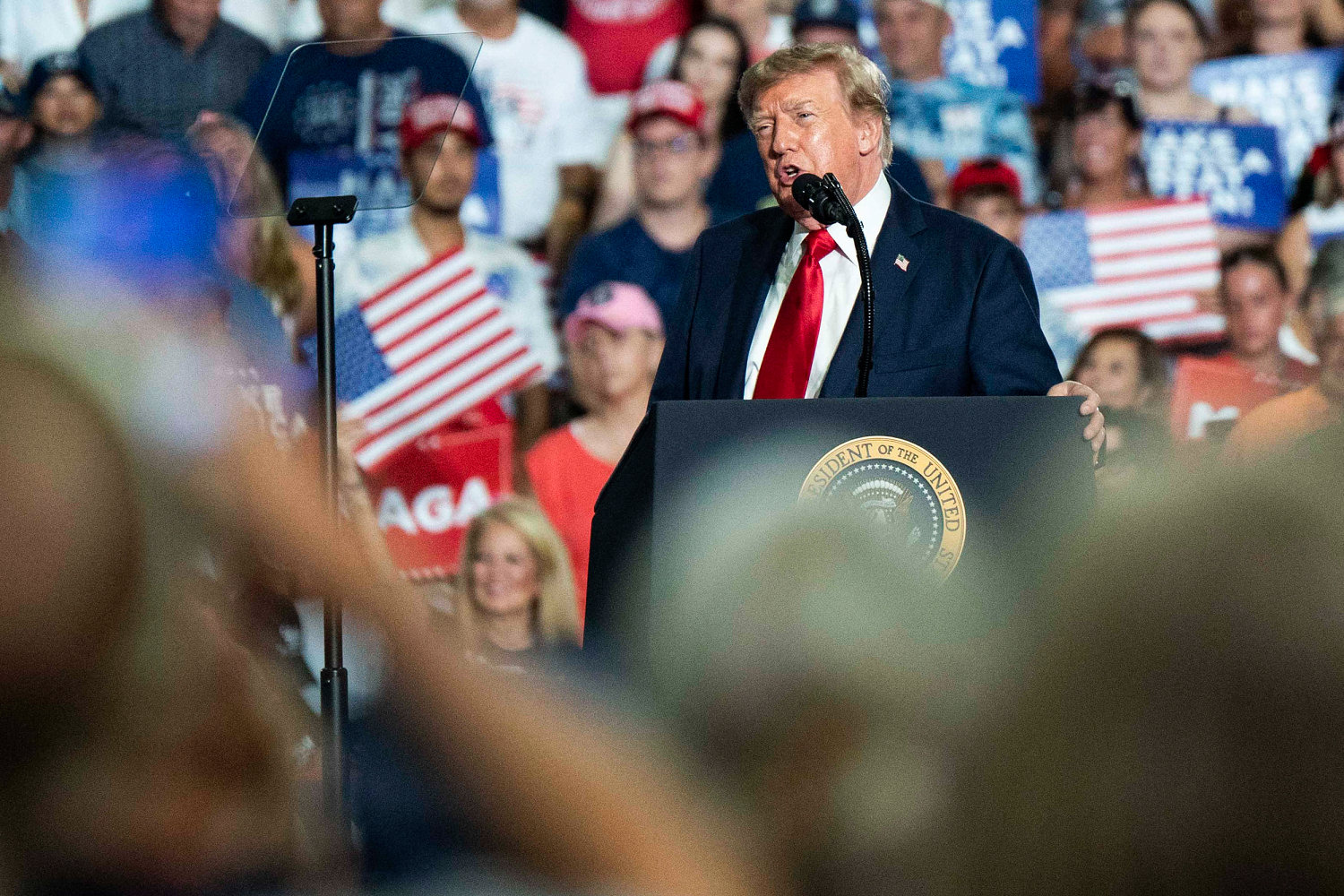
Donald Trump isn't running for office this November. You already know that. Yet, at recent rallies, he’s been begging supporters to "pretend" that his name is at the top of the ballot. It’s not just a bit of rhetoric. It’s a calculated attempt to solve a problem that has haunted his political career since the start.
His coalition is unique. It’s intensely loyal, but it's also incredibly fickle when the main attraction isn't front and center. History shows that Republican enthusiasm craters in midterm elections when Trump’s name is missing. He knows it. Party leaders know it.
The turnout trap
Most presidents struggle with midterms. The party in the White House almost always loses seats. That’s just standard political physics. However, Trump faces a specific hurdle: his voters don't treat the GOP as a party. They treat it as a movement tied to one person.
When that person isn't on the ticket, the energy dissipates. You saw it in 2018. You're seeing the fear of it again now in 2026. The strategy is to turn "Republican" candidates into "Trump-aligned" vessels. By telling voters to view their ballot as a referendum on him, he is trying to bridge the gap between his personal brand and the down-ballot reality of congressional races.
Why the math matters
Polling suggests the 2026 midterms are going to be a slog for the GOP. With approval ratings hovering in the mid-30s, the administration is on the defensive. If Republicans lose their narrow grip on either the House or the Senate, the final two years of his term become a nightmare of oversight hearings and gridlock.
The strategy of "pretending" he is on the ballot is an effort to re-frame the midterms from a standard midterm check-in to a high-stakes survival mission. He’s essentially telling his base: If you don’t show up for these congressmen, you’re really voting against me.
The reality for voters
If you’re heading to the polls, it’s worth stripping away the theater. Candidates often leverage these endorsements to win primaries, but they have to answer to their specific districts once they are in office. Trump’s "complete and total" backing might get someone elected in a primary, but it doesn't solve the long-term legislative issues voters care about, like inflation or gridlock.
You’re essentially choosing between a party that wants to advance his agenda and a party that wants to dismantle it. Whether you like him or not, that’s the reality of this cycle. The "pretend" strategy is his way of ensuring that the energy that helped him win in 2024 doesn't completely evaporate by November 2026.
Next steps for the informed voter
- Look past the branding. Check the actual voting records of candidates in your district. Don't rely solely on the presence or absence of a presidential endorsement.
- Evaluate your local impact. Senators and representatives have more power over your daily life—taxes, infrastructure, local economy—than the executive branch sometimes does.
- Ignore the noise. Politicians use inflammatory rhetoric to mobilize voters, but policy affects your wallet. Focus on what candidates have proposed for the economy rather than their proximity to the White House.
The election isn't about him, but he’s doing everything he can to make sure you think it is. Don't let the slogans distract you from the actual candidates on the paper in front of you.
Trump's influence on 2026 midterms
This video provides a solid overview of how the president's political influence continues to shape the strategies of Republican candidates across various states in the lead-up to the 2026 midterm elections.
http://googleusercontent.com/youtube_content/1