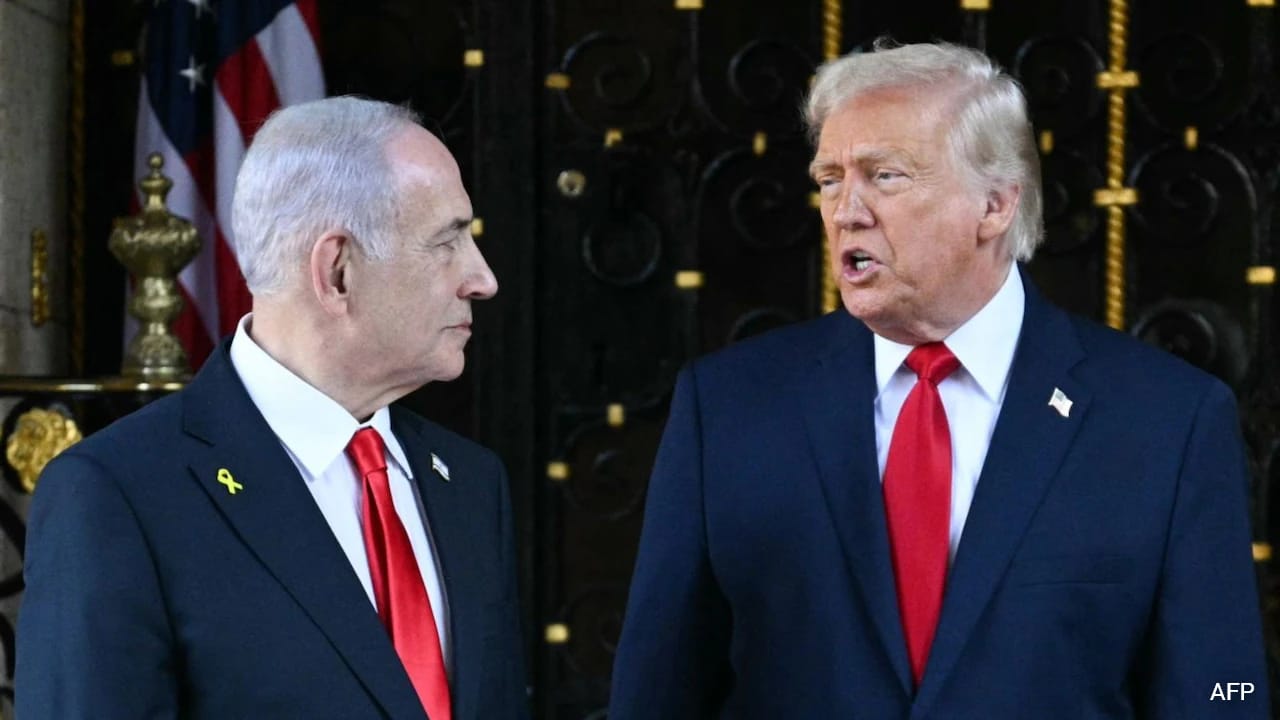
The five-month war with Iran just hit a strange turning point. President Donald Trump announced that he's putting the brakes on upcoming military strikes, claiming that regional allies have successfully ironed out the basic framework for a peace deal.
If you've been watching the headlines, this sudden shift feels like whiplash. Just hours before his social media statement, the rhetoric coming out of Washington pointed straight toward an escalation of force not seen in decades. Now, the narrative has flipped to diplomacy. But beneath the optimistic posts lie heavy regional pressures, jittery oil markets, and a very fragile truce.
What Actually Triggered the Sudden Halt
You don't back down from a massive military offensive without a strong push. Behind the scenes, emergency phone calls changed the math. Saudi Crown Prince Mohammed bin Salman reached out directly to Trump to express deep anxiety over a potential U.S. escalation.
The concern in Riyadh and other Gulf capitals is straightforward. If Washington launches devastating strikes against Iranian infrastructure, Tehran won't just absorb the blow. Regional analysts knew—and Saudi leadership feared—that Iranian retaliation would target Gulf energy grids, desalination plants, and commercial tankers.
Add in the drone strikes reported in Kuwait and tanker attacks near Oman, and the conflict was spinning dangerously close to a wider economic catastrophe. With midterms looming and voters growing weary of economic shocks, the political cost of keeping the war engine running at full tilt became too high.
The Core Terms of the Emerging Framework
Trump pointed to specific concessions that pulled him back from the brink. According to his statements, the emerging parameters focus on two massive sticking points that triggered the conflict back in February:
- The immediate, complete reopening of the Strait of Hormuz for international shipping.
- A verifiable end to Iran's nuclear threat.
Of course, agreeing on paper is entirely different from executing on the ground. Israel has officially signed on to support the push for a finalized pact, but skepticism remains the default setting in foreign policy circles. Previous interim agreements and truces crumbled within weeks when shipping lanes were militarized again.
Why Iran's Silence Speaks Volumes
Notice who hasn't been cheering from the rooftops? Tehran.
As of right now, Iranian state media and officials haven't rushed to confirm these sweeping breakthroughs. In past flare-ups, Iranian outlets have frequently framed American diplomatic pivots as a sign of weakness or a forced retreat following military warnings from the Revolutionary Guard.
This silence tells you everything you need to know about the current ground reality. While backchannel messages and intermediaries—ranging from Turkey to Oman—constantly work overtime, hardliners in Tehran haven't publicly surrendered their leverage points. Relying on an unverified framework means the entire arrangement could collapse over a single misfired projectile in the Gulf.
What This Means for Global Markets and You
Energy markets hate uncertainty, and they've been battered by the five-month blockade of vital shipping lanes. A genuine reopening of the Strait of Hormuz would instantly relieve pressure on oil supplies and lower fuel prices globally.
However, don't pack away your caution just yet. Trump's pause is explicitly "subject to being able to rapidly make a deal". If negotiations stall over nuclear inspections or security guarantees, the military option comes right back off the shelf.
Keep a close eye on shipping insurance rates in the Middle East and official statements from Gulf energy ministers over the next week. Those indicators will tell you whether this diplomatic opening is real or just another temporary lull in a prolonged standoff.