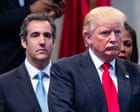
Politics makes strange bedfellows, but few modern spectacles match the bizarre trajectory of Donald Trump and Michael Cohen. Years after Cohen traded his role as the president's chief fixer for a spot as his most vicious media critic, the political winds have shifted violently. Now, Trump is publicly stating he would consider granting a presidential pardon to the very man whose testimony helped anchor a historic criminal conviction against him.
If you've been following this saga, the turnaround feels dizzying. Trump told reporters that if everything checks out, he would look at clearing his former attorney's slate. He praised Cohen for coming forward, even if belatedly, to correct what Trump describes as a heavily weaponized and unlawful prosecution.
What drove this sudden detente? How did a relationship defined by federal prison sentences, tell-all books, and congressional denunciations pivot to a public reconciliation and talk of clemency? Let's break down the reality behind this unprecedented political twist.
The Roots of the Feud and the Flip
To understand why a pardon is even on the table, you have to look at how deep the bad blood ran. Back in 2018, Cohen pleaded guilty to tax evasion, campaign finance violations linked to hush-money payments, and lying to Congress. He served more than a year behind bars, and his loyalties completely snapped.
For the next several years, Cohen reinvented himself as an anti-Trump crusader. He wrote tell-all memoirs detailing the inner workings of the Trump Organization, took to cable news daily to blast his former boss, and cooperated extensively with New York state prosecutors. His testimony was instrumental in securing Trump's 2024 conviction on 34 felony counts of falsifying business records.
To the public, it looked like a permanent fracture. But politics and legal pressure often create strange incentives.
The Shift Toward Reconciliation
The tectonic plates began moving when Cohen faced a reality check regarding his own legal standing. After the Biden administration reportedly denied his initial clemency requests, Cohen submitted a formal pardon application directly to the White House following Trump's return to office.
Then came the public softening. In early 2026, Cohen publicly stated that he had felt pressured and coerced by federal prosecutors during the investigation phase of the hush-money case. While he maintained that his core statements were accurate, the framing shifted dramatically. Trump seized on these statements, posting on social media to thank Cohen for having the courage to speak up.
The reconciliation culminated in a bizarre joint appearance when Trump appeared on Cohen's radio show. The man who once called Trump a con man was suddenly trading pleasantries with his former boss, trading the fiery rhetoric of 2019 for talk of moving forward.
What a Pardon Actually Means for Cohen
If Trump follows through and grants clemency, the implications are practical rather than just symbolic. Cohen has made no secret of the fact that a pardon could help him restore elements of his personal and professional life, most notably the potential to recover his law license.
Yet, legal experts point out a major caveat. Presidential pardons apply to federal offenses. They do not automatically overturn state-level convictions or local regulatory rulings issued by New York courts. While a federal pardon would wipe away the stain of Cohen's federal convictions from 2018, the fallout from the New York state ecosystem involves separate jurisdictional boundaries.
Even so, the political theater carries immense weight. By signaling openness to a pardon, Trump is validating Cohen's recent public claims that the original investigative pressure tactics crossed ethical lines.
What Happens Next
The conversation around Michael Cohen's potential pardon highlights how quickly alliances mutate inside the Beltway and the broader political sphere. What started as a bitter betrayal has evolved into a strategic alignment built on shared grievances against the judicial system.
Watch for the formal White House review process to dictate the timeline. If the paperwork clears and the administration decides the political and legal optics align, one of the most hostile feuds of the modern political era might officially end with a signature.