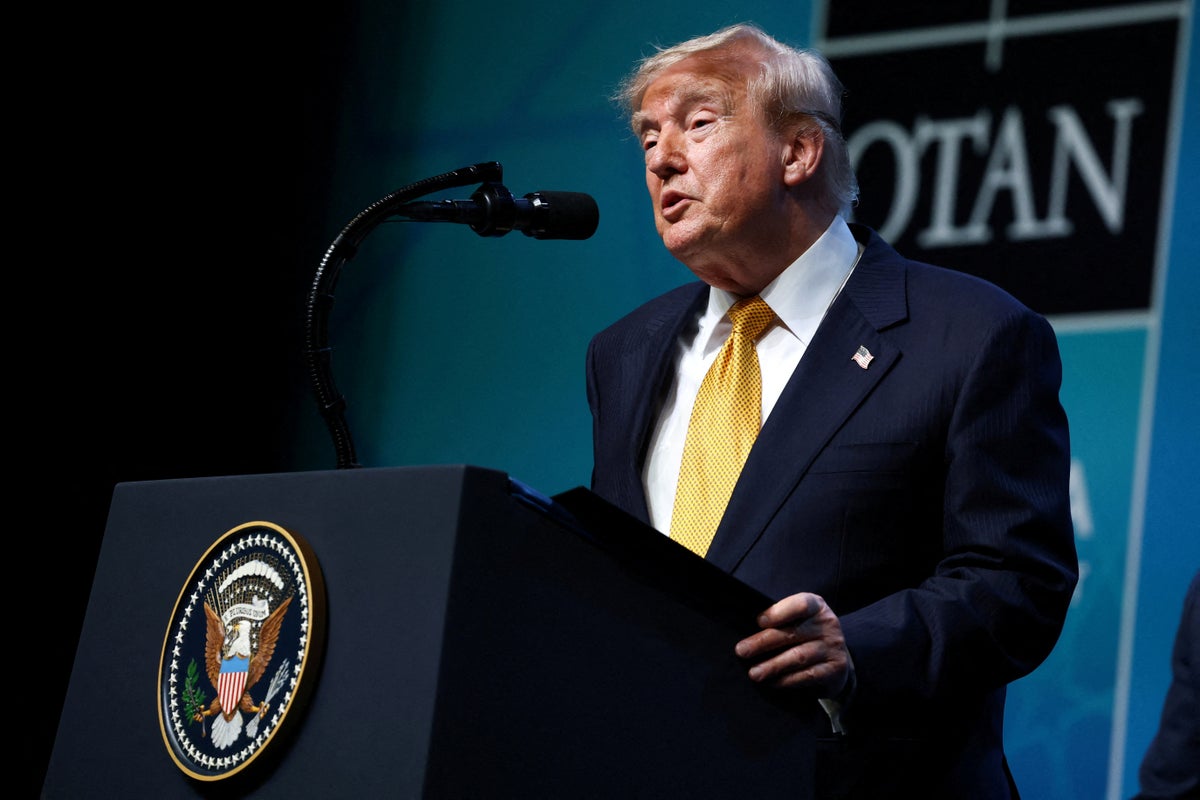
Donald Trump didn't waste any time testing his newly expanded executive muscles. By firing the remaining leadership of the U.S. Election Assistance Commission, the White House completely sidelined the only federal agency dedicated strictly to election administration. It's a blunt move that lands just months before the 2026 midterm elections, leaving the bipartisan body entirely leaderless and paralyzed.
If you're wondering why a relatively obscure federal panel matters so much, you aren't alone. Most people don't think about the Election Assistance Commission until something goes sideways. But this isn't just routine political musical chairs. It's a calculated effort to force a radical restructuring of how Americans register and vote. You might also find this connected coverage interesting: Why Sheikh Hasina Is Gambling Everything On A December Return To Bangladesh.
What Just Happened to the Commission
The purge rolled out swiftly on a Thursday afternoon. Democratic commissioners Thomas Hicks and Benjamin Hovland received brief, cold termination notices via email from the presidential personnel office. The agency's sole remaining Republican commissioner, Christy McCormick, was allowed to resign. Since the fourth seat was already vacant after Republican Donald Palmer left for the Heritage Foundation earlier this year, the commission now has exactly zero members.
By law, the agency requires a three-member quorum to make any major decisions or issue official guidelines. Right now, it can't pass a single measure. It's completely frozen. As extensively documented in recent reports by NBC News, the effects are significant.
The White House defended the move with a clear warning shot, stating that the president has every right to remove officials who "may not be totally aligned" with his administration's goal of securing elections. In plain terms, if you don't agree with the administration's voting agenda, you're out.
The Real Agenda Behind the Purge
This isn't an isolated tantrum. It's a direct workaround for policies that failed to pass through regular legislative channels.
For months, the administration has tried to force the commission to implement the strict provisions of the SAVE Act—a legislative push focused heavily on proof-of-citizenship requirements for voting. When Congress didn't pass it, Trump issued a sweeping executive order directing the agency to alter the national mail-in voter registration form and strip federal funds from states that didn't fall in line.
The independent commissioners pushed back. They noted that the agency was built to be a nonpartisan resource, not an arm of White House policy. So, Trump simply eliminated the people standing in his way.
Legal experts like Rick Hasen, an election law professor at UCLA, warn that the administration might try to command the leaderless agency to alter the federal voter registration form anyway. Doing so without a quorum would face immediate lawsuits, but it shows how far the White House is willing to push executive boundaries.
Weaponizing a Supreme Court Lifeline
Trump didn't pull this off in a vacuum. He used a massive legal shield provided by the Supreme Court just weeks ago.
In a landmark June ruling, the high court significantly weakened the protections that previously kept independent federal watchdogs safe from direct presidential firings. For decades, these bipartisan boards were insulated so they could do their jobs without fearing political retaliation. The Supreme Court effectively shattered that precedent.
While the court carved out an exception for the Federal Reserve, it left other independent agencies exposed. Trump previously tested these limits by ousting a Democratic commissioner on the Federal Election Commission. By wiping out the Election Assistance Commission entirely, the administration is making it clear that no independent regulatory body is safe if it challenges executive policy.
What This Means for the Midterms
Local election officials are now stuck navigating the upcoming 2026 midterms without their primary federal support system. The commission doesn't run local polling places, but it handles vital behind-the-scenes logistics. It tests and certifies voting machines, distributes election security grants, and acts as a central clearinghouse for cybersecurity threat data.
Without leadership, the agency can't approve new voting system standards or clear equipment upgrades. If a state needs urgent guidance on a cybersecurity vulnerability or a voting machine malfunction in October, there's no functioning board to hand down an official decision.
Democratic secretaries of state have lambasted the move as reckless. They point out that leaving the agency completely dark right as voting prep intensifies creates unnecessary vulnerabilities. The burden of verifying election system integrity now falls entirely back onto individual states, creating a fragmented patchwork of rules right when consistency matters most.
Next Steps for Election Observers
If you want to track how this disruption plays out in your local area, you need to look past Washington and watch your specific state's election infrastructure.
First, check with your local secretary of state's office to see if your county relies on federal election equipment certifications that are currently stalled. Second, monitor whether your state plans to implement independent security reviews to make up for the lack of federal guidance. Finally, ensure your own voter registration is fully up to date through official state portals, as changes to federal forms could cause widespread administrative confusion heading into the fall.