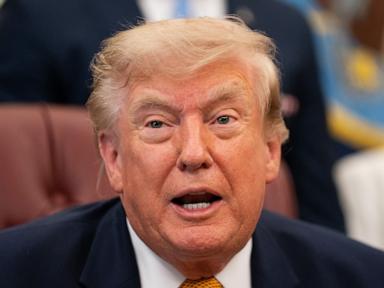
Gas prices are climbing, wallets are emptying, and the White House is pointing fingers straight at Big Oil. Donald Trump just took direct aim at ExxonMobil and Chevron, claiming they are making too much money off the market disruptions tied to the ongoing conflict with Iran. When a pro-business president turns on domestic energy giants, it signals a massive shift in the political landscape.
Let's look at the actual numbers driving this friction.
The Staggering Profits Behind the Public Outcry
You don't pull in billions without catching flak. In the second quarter, ExxonMobil posted a massive $14.5 billion profit, while Chevron hauled in $12.1 billion. That means America's two largest oil companies sat on a combined $26.5 billion in just three months.
For Exxon, this doubled their earnings from the previous year. For Chevron, it was a fivefold increase, marking their highest quarterly profit in years.
Why the sudden explosion in cash? The answer comes down to refining capacity and global supply shocks. When military action involving the U.S., Israel, and Iran intensified, global crude and product markets panicked. Essential shipping lanes like the Strait of Hormuz faced severe uncertainty. Refineries running near maximum capacity could charge premium margins for diesel, jet fuel, and gasoline.
The American public felt the immediate pinch at the pump, where national averages hovered around $4.10 a gallon. Voters are angry about the cost of living, and politicians are scrambling to react.
The White House Clash With Energy Executives
Trump didn't just complain behind closed doors. He took his frustration public, telling reporters that these companies need to give some of that cash back to everyday consumers by cutting retail prices.
It didn't stop at press briefings. The administration also locked horns with corporate leadership. Trump publicly criticized Chevron CEO Mike Wirth on social media, arguing that executives forget the regulatory and strategic backing the federal government provides to keep the oil patches running.
On the flip side, industry advocates like the American Petroleum Institute fired back. They argue that retail prices are dictated by global supply and demand, not corporate greed. Global events, shrinking refining infrastructure, and geopolitical chaos set the price tag. They aren't intentionally manipulating the market; they're simply capitalizing on a high-demand environment.
What Happens Next for Consumers and Investors
If you're wondering how this affects your daily routine or your portfolio, look closely at the negotiating table. Markets reacted swiftly when whispers of potential diplomatic talks to reopen critical shipping channels began circulating.
When supply chains normalize, wholesale prices drop. Trump predicted that oil prices will plummet once the conflict with Iran fully concludes. Until then, expect a high-stakes standoff between executive demands for lower consumer costs and corporate duty to maximize shareholder returns.
Keep an eye on retail fuel stations over the coming weeks. If crude benchmarks keep sliding and political pressure intensifies, energy firms may be forced to ease up on pump prices to dodge harsher regulatory crackdowns.