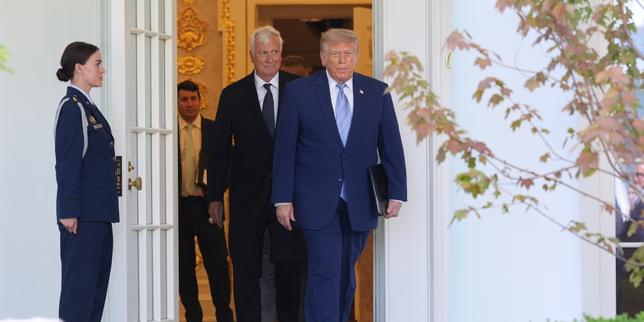
Donald Trump just fired off a series of Truth Social posts taking personal credit for keeping China and Russia out of the Middle East conflict. According to the U.S. president, both Xi Jinping and Vladimir Putin gave him their personal word that neither country would supply weapons or hardware to Iran.
Trump insists he takes Xi "at his word". He noted that the assurance explicitly covered Chinese state-backed corporations too. On Russia, Trump claimed Putin agreed not to arm Tehran, drawing a sharp parallel to how Washington handles Ukraine. Trump pointed out that while the U.S. doesn't sell arms directly to Kyiv, it sells them to NATO nations who then distribute them. Moscow apparently understood that distinction.
It sounds like a major diplomatic win on the surface. But looking past the rhetoric reveals a far messier reality.
+-----------------------------------------------------------------------+
|  Key Takeaways from Trump's Statement:                                |
|  • Xi Jinping pledged no arms or tech sales to Tehran.        |
|  • Vladimir Putin offered verbal assurances despite ties.      |
|  • Intelligence investigations into targeting data sharing continue.  |
+-----------------------------------------------------------------------+
The Reality Behind Beijing and Moscow's Promises
Why would Trump publicly vouch for autocratic rivals while U.S. troops face incoming fire in the region?
First, there's a huge difference between official military transfers and shadowy intelligence sharing. While Beijing might not be shipping crates of heavy missiles directly to Iranian ports, U.S. intelligence agencies are actively investigating whether Moscow or Beijing are feeding Iran real-time targeting data. That kind of indirect assistance doesn't leave a paper trail of arm sales, but it's just as lethal for U.S. forces stationed nearby.
Second, Beijing plays a long game. China relies heavily on Middle Eastern oil and stable maritime shipping routes. Getting dragged directly into an open war with the United States over Iran doesn't fit Xi’s broader economic interests. Beijing gets far more leverage by staying ostensibly neutral while picking up cheap oil and letting Washington burn through strategic resources.
Third, Putin has his own calculus. Russia has relied heavily on Iranian Shahed drones for its campaign in Ukraine. Moscow needs Tehran's hardware far more than Tehran needs Russia's right now. Offering Trump a verbal assurance costs Putin almost nothing while keeping Washington focused away from Eastern Europe.
What Trump Gets Wrong About Personal Guarantees
Taking Xi Jinping or Vladimir Putin at their word might work for a headline, but it's risky geopolitics. History shows that informal verbal commitments disappear the moment strategic incentives shift.
- The Chinese loophole: Chinese defense contractors often use third-party networks or dual-use technology transfers. A firm can sell high-grade satellite components, microchips, or drone optics to intermediate companies in the UAE or Turkey, which then end up in Tehran. Technically, Beijing didn't sell "weapons" to Iran. In practice, the result is identical.
- The Russian intelligence bridge: Russia doesn't need to ship heavy tanks or air defense systems to Iran to influence the conflict. Sharing satellite reconnaissance or early-warning radar data gives Iranian proxies an enormous tactical advantage against U.S. bases without violating any explicit "no weapons" promise.
Trump's insistence that "it would be very bad for them" if they stepped over the line is classic deterrent posturing. But deterrence only works if the red lines are crystal clear and the consequences are enforceable. Right now, subtle aid bypasses those red lines completely.
Where This Leaves the Middle East Conflict
If Washington relies purely on verbal assurances from rivals, it leaves open major blind spots. Intelligence tracking must focus on proxy supply chains and satellite data links rather than just monitoring naval cargo ships or cargo planes.
Watch for two key indicators in the coming weeks:
- U.S. Treasury sanctions targeting secondary Chinese tech suppliers moving dual-use parts into the Persian Gulf.
- Official intelligence reports regarding satellite link activity between Russian military installations and Iranian command hubs.
Relying on personal rapport with authoritarian leaders makes for compelling public statements. But in an escalating conflict, verified hardware tracking and aggressive supply-chain interdiction matter far more than handshakes behind closed doors.