Presidents and the press have fought for generations. But locking reporters out of the building takes the friction to an entirely different legal tier.
When Donald Trump announced on Truth Social that CNN, MS NOW, and Politico were banned from the White House effective immediately, he didn't just fire another shot in his long war with mainstream journalism. He threw down a massive constitutional gauntlet.
Credentials got confiscated on Saturday morning. Reporters showed up to work and found themselves locked out. The move immediately triggered fierce pushback, setting the stage for what looks like a prolonged collision between executive power and First Amendment protections.
What Actually Happened at the White House
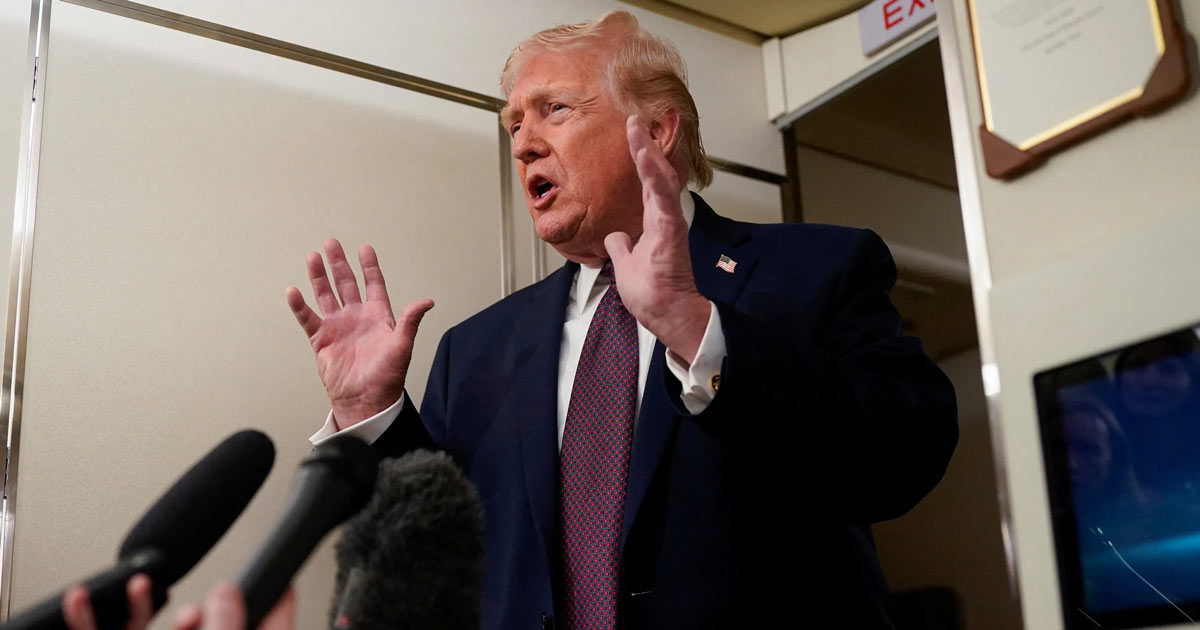
The executive action landed via a social media post accusing the targeted outlets of constant reporting of fake news and fiction. Trump doubled down during an Oval Office event, telling reporters he simply didn't want those organizations inside the executive mansion.
It didn't stop with a tweet. Security personnel followed through by revoking building access for their teams.
This isn't an isolated incident. Think back to early 2025, when the administration barred Associated Press journalists from the Oval Office and Air Force One because the news agency refused to adopt the administration's mandated renaming of the Gulf of Mexico. Add ongoing lawsuits against publications like The New York Times and The Wall Street Journal, and you see a clear pattern. The administration is shifting from verbal sparring to physical exclusion.
The Legal Reality Behind Press Access
Can a president legally ban specific news organizations from the White House?
Constitutional scholars and press advocacy groups say no. The legal precedent goes back decades. Under cases like Sherrill v. Knight from 1977, federal courts established a clear boundary: while the executive branch doesn't technically have to build a press room, once it opens its doors and invites journalists in, it cannot selectively revoke access based on the content of their coverage.
Punishing news organizations because you hate their editorial stance looks an awful lot like viewpoint discrimination. That violates the First Amendment.
During his first term in 2018, Trump tried revoking credentials from individual correspondents like CNN's Jim Acosta. Federal judges quickly ordered those passes reinstated. History suggests this new ban will face immediate court challenges, with media lawyers gearing up for another fierce legal showdown.
Why This White House Ban Matters Right Now
The exclusion of major networks disrupts the traditional pool system that covers the president's movements. When a president travels, a pooled group of reporters documents his actions, interactions, and policy decisions on behalf of the entire public. Tampering with that mechanism cuts off independent oversight.
Other outlets are watching closely. During his remarks, Trump explicitly named The New York Times and The Washington Post as next in line for potential exclusion, calling their coverage disgusting and fake.
The affected organizations are pushing back hard. CNN called the directive an illegal assault on constitutional rights. Politico vowed to vigorously defend its ability to cover the administration without interference.
What Comes Next
Expect a rapid escalation through the federal court system. Advocacy groups like the Reporters Committee for Freedom of the Press are already preparing briefs. Previous legal battles over press access proved that federal judges view viewpoint-based exclusions with deep skepticism.
If you care about how power operates in Washington, watch the courts over the coming weeks. The outcome of this clash will redefine the boundaries of executive authority and press freedom for years to come.