The global geopolitical chessboard just saw a massive, unexpected shift. While international headlines remain fixated on escalating tensions and conflicts across the Middle East, the U.S. Treasury Department quietly dropped a bombshell that completely resets the trade dynamic with Beijing. Washington allowed Executive Order 13936—the very mandate that stripped Hong Kong of its special, preferential trade status back in 2020—to officially expire.
If you've been tracking U.S.-China relations, this feels like an absolute about-face. During his first term, Donald Trump aggressively targeted Hong Kong’s autonomous status to punish Beijing for passing its controversial National Security Law. For six years, Washington treated Hong Kong exactly like mainland China when it came to tariffs, tech exports, and financial scrutiny. If you found value in this article, you should look at: this related article.
Now? The executive order is dead. The national emergency declared over the territory has ended, and a handful of sanctioned officials have been delisted.
China’s Commerce Ministry wasted no time celebrating, calling the expiration a "more positive direction" for bilateral relations. But don't be fooled into thinking Washington suddenly grew a soft spot for Beijing's policies. This isn't a human rights victory; it's cold, calculated economic leverage. For another angle on this development, see the latest coverage from TIME.
The Strategy Behind the Expiration
Why would an administration known for its hawkish stance on China let this aggressive policy lapse?
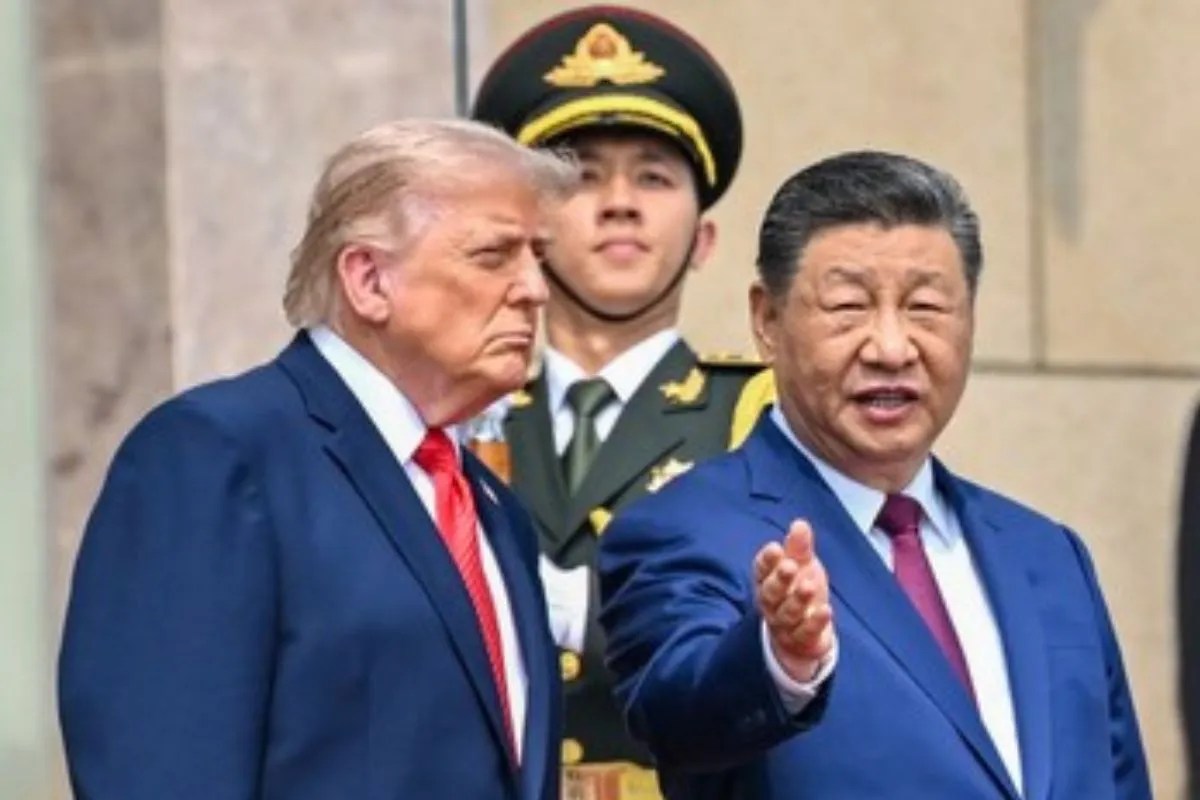
It all boils down to upcoming high-stakes negotiations. Donald Trump and Chinese President Xi Jinping are scheduled for a massive bilateral summit this September. By letting the 2020 executive order expire now, Washington gives itself a powerful negotiating chip. It sends a clear signal to Beijing that the U.S. is willing to scale back structural economic restrictions if China plays ball on broader trade agreements and tariff reductions.
Think of it as clearing the deck before the real bargaining begins. U.S. and Chinese officials have been quietly meeting in international hubs like Madrid to iron out economic friction. The expiration of this executive order acts as concrete proof that Washington will reward cooperation.
What Changes for Hong Kong Commerce
Let’s look at what this actually means on the ground for businesses and investors who use the Asian financial hub.
- Export Control Relief: Under the old rules, U.S. exporters couldn't send sensitive high-tech equipment or defense-related tech to Hong Kong without facing the same extreme restrictions placed on mainland China. The expiration dismantles that blanket ban, reopening a critical pipeline for tech transit.
- The "Made in Hong Kong" Label: For years, the U.S. forced local manufacturers to label their goods as "Made in China," exposing them to punitive tariffs. Ending the executive mandate removes the legal basis for that forced homogenization.
- Sanctions Scaled Back: While the U.S. Treasury Department kept individual sanctions on 38 high-level security and police officials, it quietly dropped 11 names from its blacklist as the order expired.
Why a Total Reset Isn't Happening Yet
Don't go thinking Hong Kong is instantly returning to its pre-2020 golden era. The corporate world needs to keep its expectations in check.
While the executive order is gone, the underlying U.S. congressional statutes regarding Hong Kong remain very much alive. The U.S. government is still legally required to regularly assess Hong Kong’s actual autonomy from Beijing. Furthermore, the massive wave of baseline tariffs Trump imposed since returning to the White House in January 2025 relies on completely separate legal authorities. Those tariffs aren't vanishing just because this single executive order expired.
Beijing still controls the political apparatus in Hong Kong with an iron fist. The National Security Law isn't going anywhere. Western firms will likely remain highly cautious about moving large-scale operations back into the city, keeping a close eye on how much true operational independence the legal system there retains.
Next Steps for Global Investors
If you handle logistics, supply chain management, or international corporate law, you need to adjust your strategy immediately.
First, task your compliance teams with reviewing the updated U.S. Office of Foreign Assets Control (OFAC) delisting schedules to see exactly which entities have been freed from transactional bans. Second, monitor the upcoming September trade summit closely. The concessions made here indicate that larger tariff rollbacks or market-access agreements could be on the horizon, presenting a prime window to renegotiate shipping and manufacturing routes through the region.