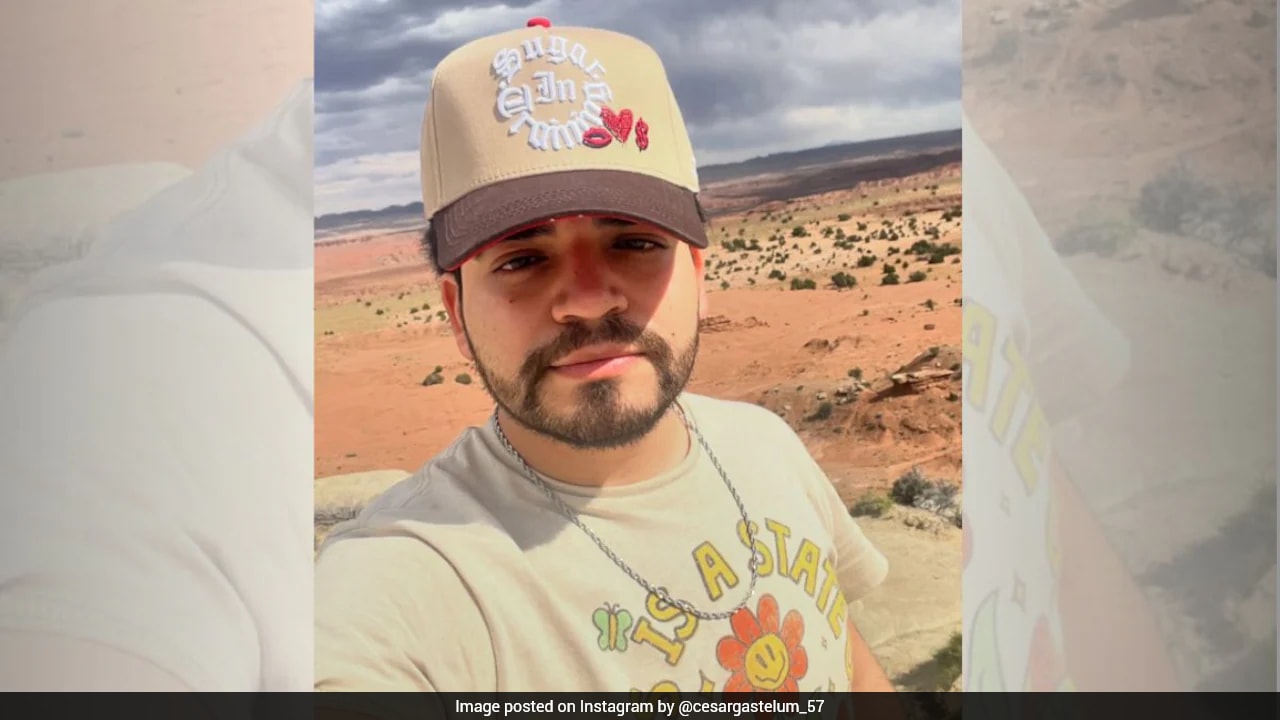
The screen didn't go black immediately. Instead, it shook violently, capturing the chaotic reality of modern digital performance meeting brutal, real-world violence.
Mexican social media influencer Cesar Gastelum was broadcasting live outside a restaurant in Culiacan when a motorcycle pulled up and gunfire ended his life. He was only 25 years old. With over 600,000 followers tracking his lifestyle and comedy content on TikTok, Gastelum thought he was simply filming another challenge with friends. They were dressed as food delivery workers. Meanwhile, you can read related events here: Why Pyrocumulonimbus Clouds Mean Wildfires Are Changing Forever.
Instead, his final broadcast became part of an alarming, growing archive of digital violence captured in real time.
The Dangerous Intersection of Live Broadcasting and Lawless Regions
Culiacan is not a normal city. Located in the heart of Sinaloa state, it sits at the epicenter of intense conflicts between rival organized crime factions fighting for territorial control. When you stream live outdoors in a high-risk zone, you are broadcasting your precise real-time coordinates to anyone watching—including people with hostile intentions. To explore the full picture, check out the detailed analysis by USA Today.
Local police initially filed initial reports identifying the victim simply as a delivery worker. The reality quickly surfaced once the internet recognized the distinctive face behind the screen. The clip spread instantly across social platforms, moving faster than official police statements could catch up.
Why do creators keep filming in high-risk environments? Because the algorithm demands constant visibility. Stopping feels like losing momentum. Creators chase engagement metrics, pushing stunts further outside safe studio walls and into unpredictable public spaces.
Digital Fame Meets Unforgiving Streets
We need to talk about the terrifying vulnerability of online creators who monetize their everyday routines. When you broadcast your life to hundreds of thousands of strangers, you invite the physical world into your digital workflow with zero filtering mechanisms.
Gastelum's murder is not an isolated incident. Think back to May 2025, when Mexican beauty influencer Valeria Marquez was shot and killed during a TikTok livestream inside her salon in Zapopan, Jalisco. Two distinct creators, thousands of followers, real-time cameras rolling, and fatal outcomes broadcasted to digital audiences.
The illusion of safety behind a smartphone screen is completely shattered by these tragedies. Livestreaming creates a false sense of intimacy. You feel protected because you are interacting with an audience of supporters. But the camera works both ways. While you see your chat box scrolling, anyone else sees your exact geographic location, your surroundings, and your vulnerability.
What Platforms And Creators Must Face Now
Social media companies love high-retention live streams. Real-time broadcasting keeps users hooked, boosting ad revenue and platform dominance. Yet, tech companies take minimal responsibility when their digital infrastructure broadcasts real-world murders.
When the shots rang out during Gastelum's broadcast, the stream was eventually halted and scrubbed by the platform, but mirror clips had already downloaded and multiplied across alternative sites. Moderation teams are always reacting after the blood has already been spilled.
If you create content in public spaces, the rules of engagement have fundamentally changed. You cannot treat the streets like a controlled soundstage.
Practical Safety Realities For Modern Creators
If you produce content or manage public-facing channels, you have to prioritize physical security over algorithmic growth. The digital landscape is unforgiving.
- Never broadcast your real-time location in high-risk areas. Delay your uploads. Post after you have safely left the venue.
- Recognize public vulnerability. A smartphone tripod makes you a stationary, predictable target.
- Assess regional risks honestly. No amount of views justifies ignoring the active safety conditions of your immediate environment.
The pursuit of digital validation shouldn't cost a life. Stop treating public safety as an afterthought in the race for viral metrics.