Hope is a fragile thing. When 32-year-old Daniela Largo was pulled alive from the ruins of a collapsed building in Pereira after enduring 37 hours trapped beneath concrete and twisted steel, the country erupted. It felt like a miracle. It felt like a turning point for a nation staggering under the weight of a massive 7.4-magnitude earthquake that flattened homes and claimed hundreds of lives.
That hope didn't last. Just days after her dramatic extraction, news broke that Largo had passed away, succumbing to the invisible, ticking clock of crush syndrome and severe trauma that doctors often fight against long after a survivor is brought to safety.
Her heartbreaking reversal forces us to look past the initial euphoria of disaster rescue footage. It exposes the brutal medical reality of what happens to the human body after prolonged entrapment.
The Cruel Illusion of the Golden Hour
We are conditioned by Hollywood and 24-hour news cycles to believe that if someone survives the initial collapse and is pulled out alive, the hard part is over. You see the cheers. You see the stretchers carried away to flashing lights. You assume they're going to make it.
They usually don't out of the woods. Not by a long shot.
When a body is pinned under tons of debris for over a day and a half, severe physiological changes occur. The biggest silent killer isn't always dehydration or suffocation. It is what happens the moment the weight is lifted.
Medical professionals call it crush syndrome. When heavy concrete or beams compress limbs, blood circulation stops in those areas. Toxins build up rapidly in the trapped tissue. The moment rescuers shift that weight, those accumulated toxins flood back into the main circulatory system, instantly threatening the heart and kidneys.
You can pull someone out breathing, but their body may already be failing from the inside out.
The Scale of the Colombian Tragedy
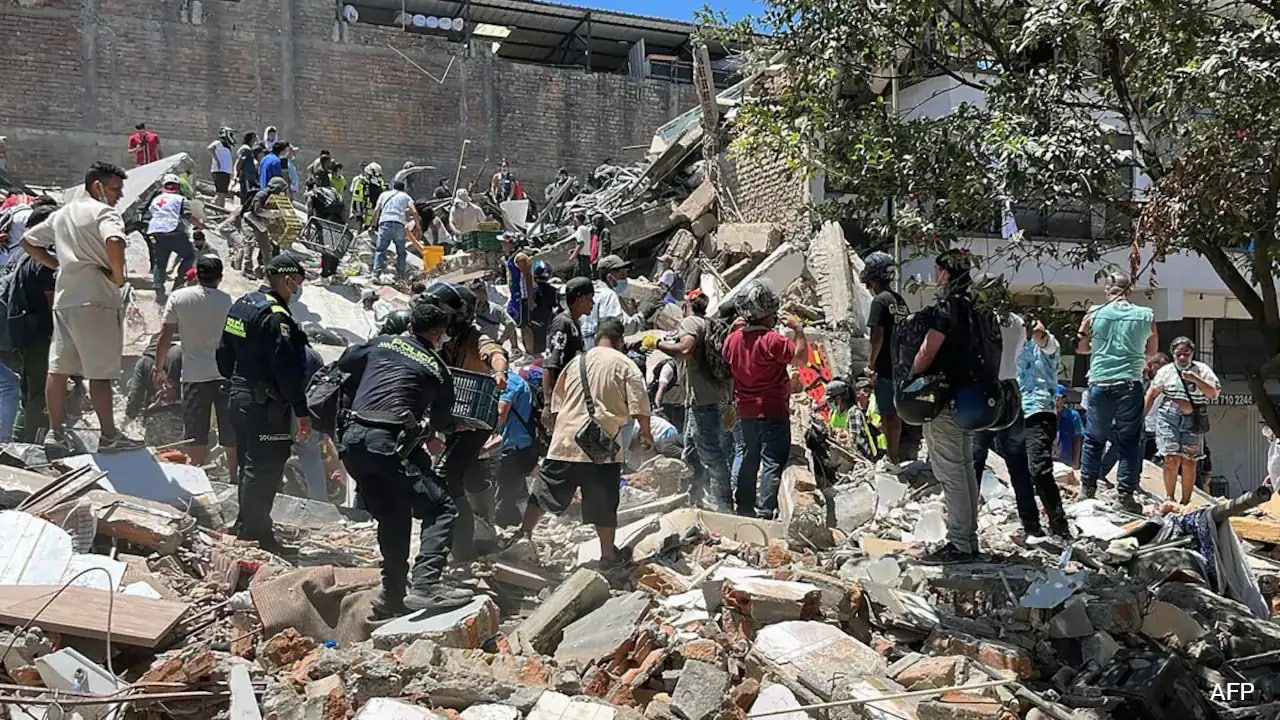
To understand why stories like Largo's hit so hard, you have to look at the broader catastrophe. The powerful tremor struck western Colombia, triggering a state of emergency under newly inaugurated President Abelardo de la Espriella. With thousands of homes, dozens of schools, and multiple health centers severely damaged or completely destroyed, local infrastructure was completely overwhelmed from minute one.
Rescue workers faced an impossible landscape. Ordinary citizens took to digging with their bare hands, trying to clear rubble before aftershocks brought the remaining structures down. In disaster zones like Pereira, resources are stretched dangerously thin. Medical triage on the ground is a nightmare of split-second decisions.
When Daniela was extracted on Tuesday, she became the face of resilience. Her survival was proof that human endurance could beat the odds. Her subsequent death is a grim reminder that disaster response requires intense, specialized critical care units immediately upon extraction—facilities that are often damaged or non-existent in the direct aftermath of a major quake.
Why We Need to Change How We Talk About Rescues
Media coverage loves a happy ending. Producers rush to air the moment a victim opens their eyes or squeezes a medic's hand. But true disaster journalism has to follow the story through to the ICU.
When we celebrate a rescue as a definitive victory, we misunderstand the timeline of survival. The battle doesn't end when the excavator lifts the final slab of concrete. That is merely the transition from structural rescue to advanced medical intervention.
We need more transparency around post-rescue mortality rates. Knowing that survivors remain in extreme peril for days after extraction helps communities manage expectations and pushes emergency planners to prioritize mobile intensive care units right alongside heavy lifting gear.
Daniela Largo's brief survival captured the collective heartbeat of Colombia. Her tragic passing leaves an empty space that no amount of spin can fill. Don't look at her story as just another casualty statistic. Look at it as a harsh lesson in what disaster recovery actually demands of us.