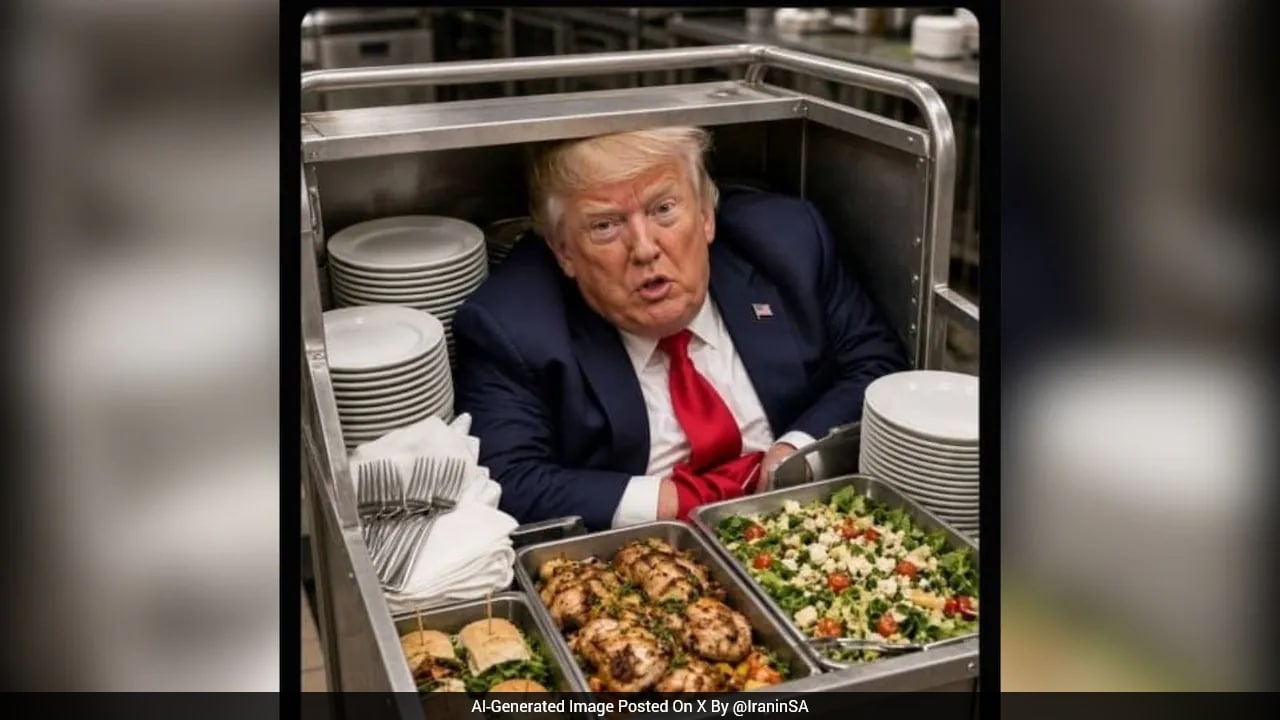
When the Secret Service swapped Donald Trump's official aircraft for a military transport plane using a makeshift catering truck as a decoy in Turkey, it wasn't just a cinematic security detail. It was a stark reminder of an ongoing, high-stakes game of shadows. Intelligence briefings point to a persistent, state-sponsored menace originating from Tehran. But is Iran genuinely trying to kill Trump, or is this posturing blown out of proportion for domestic political leverage?
To understand the reality behind these threats, you have to look past the noisy headlines and examine actual federal indictments, historical grudges, and the mechanics of modern transnational repression.
The Evidence in Federal Indictments
Skeptics often dismiss foreign assassination plots as political theater. However, the United States Department of Justice doesn't typically file federal murder-for-hire charges on a whim.
Federal prosecutors unsealed criminal complaints detailing specific operations run by the Islamic Revolutionary Guard Corps (IRGC). Investigators laid out cases involving operatives tasked with tracking American targets on domestic soil, including high-profile dissidents and political figures. Farhad Shakeri, an asset linked to the IRGC, explicitly told federal investigators that officials in Tehran directed him to build surveillance networks and execute elimination plans.
Money wasn't the obstacle. Iranian handlers allegedly told operatives that finances were unlimited because they had already invested heavily in targeting American leadership. When a government official authorizes proxy networks to hunt down former leaders inside Western borders, it crosses a definitive line from rhetoric to active warfare.
Why Trump Remains a Primary Target in Tehran
The animosity between Iran's clerical regime and Donald Trump isn't a secret. It spans years of aggressive policy shifts and direct military friction.
Back in 2018, the Trump administration abandoned the Iran nuclear deal, rolling out a campaign of maximum economic pressure. That pressure crippled Iranian oil exports and strained an already fragile domestic economy.
The boiling point arrived in January 2020. A targeted US drone strike at Baghdad International Airport eliminated General Qasem Soleimani, the powerful commander of the IRGC's Quds Force. Soleimani wasn't just a military leader; he was an architectural icon of Iran's regional hegemony and deeply revered within the regime.
For a government built on revolutionary pride and retaliation, losing Soleimani demanded a public and institutional response. Iranian leaders vowed severe vengeance. Targeting the architect of that strike matches their playbook of long-memory retribution. Tehran operates on timelines that stretch across decades, meaning pressure on former officials doesn't vanish just because an election cycle ends.
Transnational Repression as State Policy
Many people assume foreign threats look like James Bond villains staging dramatic shootouts. In reality, modern state-backed targeting relies on low-level criminal proxies, local thugs, and unwitting contractors.
The Justice Department's findings show how the IRGC utilizes criminal underworld figures in Western cities to carry out surveillance. By outsourcing wet work to domestic gangs or international operatives, Tehran maintains plausible deniability. If a plot fails, the state cuts ties and claims rogue actors acted independently.
This strategy extends past political figures. Iranian intelligence networks have repeatedly targeted journalists and human rights activists on American and European soil who criticize the regime. The machinery is already built, tested, and active. Directing assets toward a former or current American president is an escalation of an existing operational infrastructure, not a sudden pivot.
Assessing the True Risk Level
Intelligence agencies balance capability against intent. Iran clearly possesses the intent, driven by institutional fury and a desire for historic parity after Soleimani's death. Their capability, however, faces severe friction from Western counterintelligence.
The FBI and international partners have systematically disrupted these cells, arresting local recruits before operational phases mature. Yet, the sheer volume of disrupted plots proves the threat cannot be written off as mere noise. When transport logistics for a sitting or incoming president require sudden decoy swaps on foreign runways, the danger has moved far past theoretical debate.
Protecting high-value targets requires constant vigilance, billions in security allocations, and the assumption that foreign adversaries will keep probing for weaknesses. Tehran's campaign against American leadership is patient, structured, and entirely real.
Stop expecting state-sponsored threats to vanish with diplomatic talks. Security protocols adapt because the danger remains active every single day.
Iran accused of Trump assassination plot - 3 men charged | BBC News
This video provides background on federal charges brought against individuals tied to Iranian plots targeting American leadership.
http://googleusercontent.com/youtube_content/1