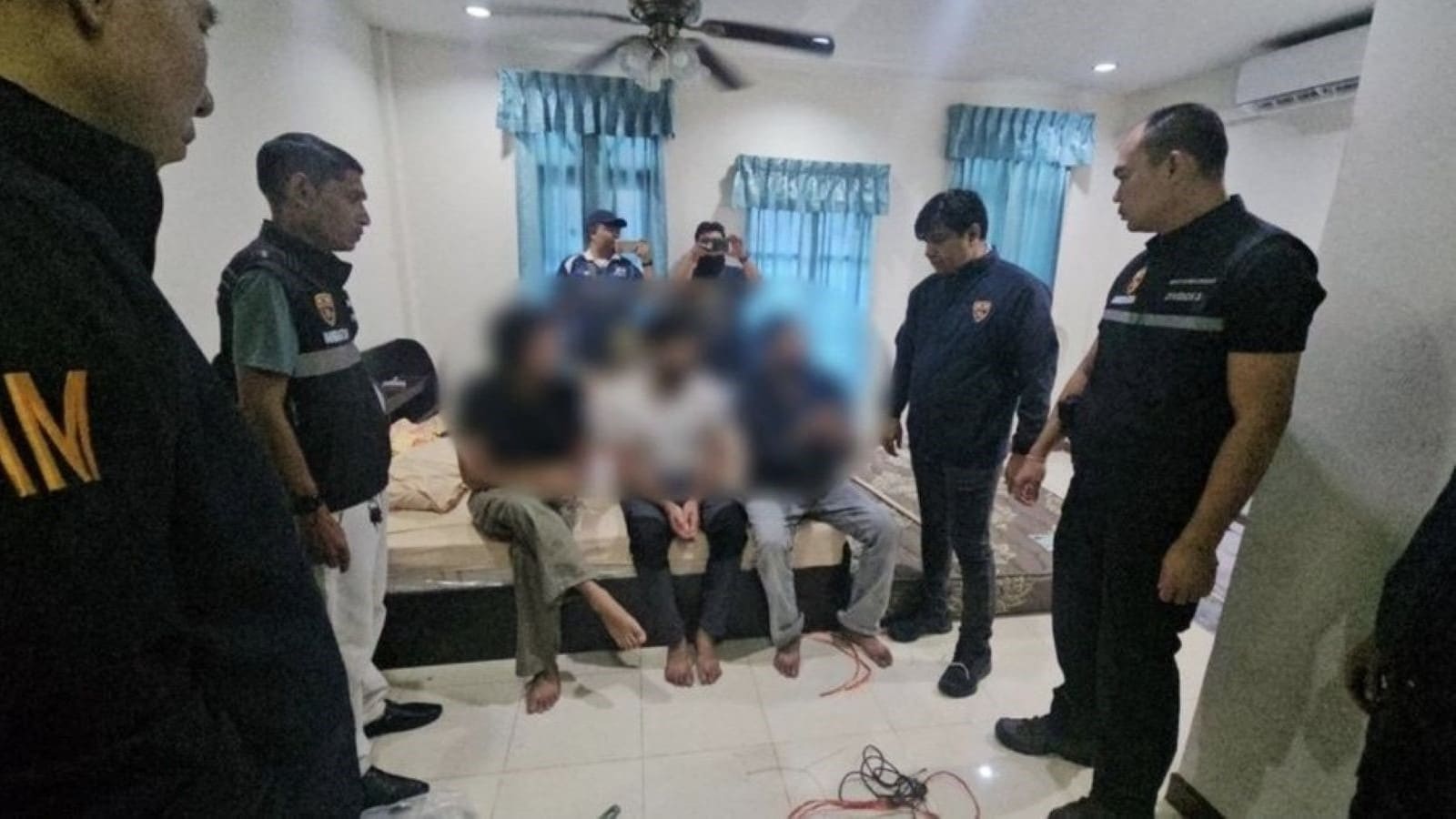
Three tourists thought they booked a cheap holiday. Instead, they walked straight into a torture chamber in Pattaya.
When Thai police raided a two-storey townhouse in the Bang Lamung district, they found three young Indian nationals tied up, beaten, and locked inside bedrooms. The victims had been lured by a low-cost travel package, only to become pawns in a brutal extortion plot. Five Indian men were quickly hunted down and arrested at a Bangkok hotel as they tried to flee the country. For another look, read: this related article.
Behind these local arrests lies a murky international conspiracy. Investigators point to a Dubai-based mastermind calling the shots from afar. And the plot thickens with a suspected Pakistani link that exposes how transnational criminal syndicates operate across borders.
How a Cheap Vacation Turned Into a Hostage Nightmare
The nightmare began the moment the victims landed at Suvarnabhumi Airport. Each had paid roughly 70,000 Thai baht for what looked like a legitimate seven-day tour package. Related coverage on the subject has been provided by Wikipedia.
They traveled down to Pattaya expecting a beach getaway. Instead, a motorcycle rider met them at a designated fast-food stop on the Sukhumvit Highway and funneled them one by one into a secluded townhouse.
What happened next reads like a crime thriller script:
- Their hands, legs, and mouths were bound tightly with adhesive tape.
- They were suspended and beaten repeatedly, leaving severe bruising on their ankles.
- The captors denied them adequate food, water, and basic restroom access for days.
- They sprayed red paint on the victims' bodies to stage graphic photos and videos for terrified families back home.
The kidnappers demanded a staggering ransom totaling ₹70 lakh, or roughly 2.4 million baht. Families panicked. They reached out to authorities, setting off an urgent cross-border rescue mission involving the Indian Embassy and local Thai law enforcement.
The Dubai Connection and the Pakistan Link
Police didn't just stumble upon the safehouse. Digital footprints and CCTV footage blew the operation wide open.
The five arrested suspects—identified as Avtar Singh, Jagjit Singh, Rambalak Kumar, Sukhbir Singh, and Kulra Singh—were cornered at a hotel in Bangkok's Khlong Tan and Suan Luang areas while waiting to catch outbound flights. During interrogations, they shifted the blame upward. They claimed they were merely foot soldiers following orders from a Pakistani national operating out of Dubai.
According to investigators, the gang connected through a chat application about a month prior to the attack. The remote mastermind coordinated the logistics, planned to scoop up ransom payments via digital currency or money transfers, and promised the lower-level thugs airline tickets out of Thailand once the job wrapped up.
Thai authorities have blacklisted the fugitive mastermind. Since he sits outside direct jurisdiction, the immediate legal hammer falls on the five Indian citizens in custody. They face heavy charges including kidnapping for ransom, armed robbery, unlawful detention, and assault causing severe injury.
What This Means for Travelers
Incidents like this destroy the illusion that popular tourist destinations are entirely safe from organized crime rings. Thailand remains a massive hub for international visitors, offering visa-free entry policies designed to boost tourism. But criminal networks exploit these very systems, using cheap travel facades to trap unsuspecting targets.
If you travel abroad, stay alert. Avoid unverified budget tour operators found on random forums or social media apps. If an offer sounds too cheap to be true, walk away.
Check local embassy alerts before booking flights. Keep your family updated on your exact whereabouts. Real safety beats a discounted vacation every single time.