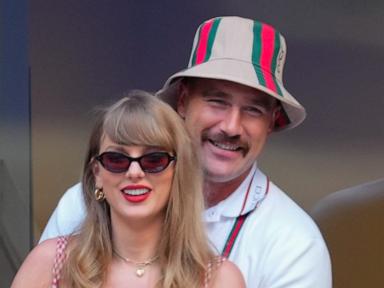
Stop overthinking the celebrity drama and look at the actual math. When news broke that Taylor Swift paid NYC more than $160k for wedding permit fees, the internet immediately split into two predictable camps. Fans praised her for paying her way. Critics screamed about billionaire privilege and wasted city resources. New York City Mayor Zohran Mamdani finally cleared up the timeline during a press conference, confirming that the pop star settled her bill before marrying Travis Kelce at Madison Square Garden. But the real story isn't just about a six-figure check. It's about how much it actually costs to shut down Midtown Manhattan and why the city's math doesn't quite add up for everyday taxpayers.
When you look at an eight-figure wedding with a guest list of a thousand celebrities, a fee of $160,000 looks like pocket change. It's basically a rounding error on Swift's bank account. Yet this fee became an absolute political lightning rod in the summer of 2026. The city already faced a grueling schedule with the Knicks winning their first championship in 53 years, the World Cup matches heading to town, and the national 250th anniversary celebrations. Throwing a massive pop-star wedding right into the middle of Madison Square Garden stretched city resources to a visible breaking point.
What Taylor Swift paid NYC more than $160k for wedding permit access really covered
The city permit was filed and finalized just days before the July 3 ceremony. According to the official statements, that single $160,000 payment was designed to cover the administrative permit fees for closing down streets, managing the heavy traffic gridlock around Penn Station, and handling the massive security deployment.
The physical reality of the event required barricading blocks around Madison Square Garden. NYPD officers stood in 100-degree summer heat for hours. Some reports from rank-and-file officers leaked stories of grueling 30-hour shifts without meaningful breaks to keep the perimeter secure.
The public pushback started well before the wedding day. Representative Nicole Malliotakis publicly demanded that the couple completely reimburse the city for the estimated 130 to 150 officers needed daily. She pointed out that New York taxpayers shouldn't foot the bill for a private billionaire's party when city workers were already slammed with Fourth of July holiday security.
The mayor stepped up to the microphone on a Friday to put out the fire. He laughed off questions about whether the city would need to track down the singer for money, stating clearly that the bill was settled. He emphasized that while the city had to place limitations on overall public event approvals this summer, the wedding didn't stop everyday New Yorkers from enjoying their neighborhood barbecues or local parks.
The hidden math of a Manhattan shutdown
Let's look closer at where that $160,000 actually goes. If you talk to former city planners or budget analysts, you quickly realize that a standard street closure permit doesn't factor in the full economic friction of blocking Midtown Manhattan.
Think about the standard overtime pay for an NYPD officer. Top-tier overtime rates can easily clear $75 to $90 an hour when you factor in holiday premiums and senior status. If you have 150 officers working around the clock for a multi-day wedding weekend, the baseline labor cost alone eats through that $160,000 in a matter of clicks.
Independent estimates from former municipal officials suggested the true operational burden to the city neared $1 million. That includes the wear and tear on infrastructure, the redirecting of transit lines, and the auxiliary services like sanitation and traffic enforcement that don't always show up on a single police permit invoice.
The wedding itself was a logistical monster. Adam Sandler handled the officiating duties. High-profile performers like Paul McCartney, Stevie Nicks, Ciara, and Fergie took the stage inside the arena. Guests were subjected to strict non-disclosure agreements, and security teams confiscated phones at the door to prevent leaks. The city essentially treated the perimeter with the identical security protocols reserved for a visiting head of state or a global political summit.
Why this became a weird political flashpoint
The optics of the situation created a fascinating political puzzle. Mayor Zohran Mamdani, known for his progressive and democratic socialist platforms, found himself in the unusual position of publicly defending the financial transactions of a literal billionaire.
Conservative critics used the moment to question whether the city administration was giving preferential treatment to mega-celebrities while standard small businesses struggle to get basic sidewalk café permits approved. Meanwhile, Swift's enormous fan base swarmed social media platforms to defend her, pointing out that she followed the legal protocol to the letter and paid exactly what the city invoiced her.
The couple also attempted to offset the public relations hit by donating a massive $26 million to various local and national charities right before the wedding occurred. Forbes estimated the total cost of the two-day Madison Square Garden event at over $20 million, meaning their charitable giving actually outpaced their luxury event spending.
How the city calculates private event costs
New York has a set structure for charging private entities for city services, but it's rarely transparent to the average resident. When an organization rents a massive venue like Madison Square Garden for a private party rather than a public ticketed event, the burden of traffic flow shifts to the city's Department of Transportation and the NYPD.
The standard calculation relies on estimated personnel hours. The city looks at the requested perimeter, determines how many fixed posts require an officer, and calculates the permit fee based on standard operational rates.
The problem is that these calculations rarely account for unexpected surges. When thousands of fans gathered outside Madison Square Garden to watch the digital billboards flash wedding messages, additional crowd control squads had to be deployed. Those reactive deployments often slip through the cracks of the initial permit pricing, leaving the public treasury to absorb the difference.
Steps for tracking municipal spending on private events
If you want to look past the celebrity headlines and see how your local city budget handles high-profile private events, you can take a few concrete actions.
First, monitor the public city data portals. Most major metropolitan areas list approved street closure permits and special event filings online within their open-data dashboards. You can search by venue or date to see the exact fees assessed.
Second, check the city council hearing minutes. Budget committees regularly audit police overtime spending, especially after dense summer event seasons. These reports show whether private reimbursements matched the actual overtime paid out during specific weekends.
Third, look at your local laws regarding private event policing. Some cities require a strict dollar-for-dollar match for private security assistance, while others use flat-rate permit systems that don't adapt to massive crowd spikes. Understanding these local codes helps you see whether your city has a robust system or if it's losing money on large corporate and celebrity gatherings.