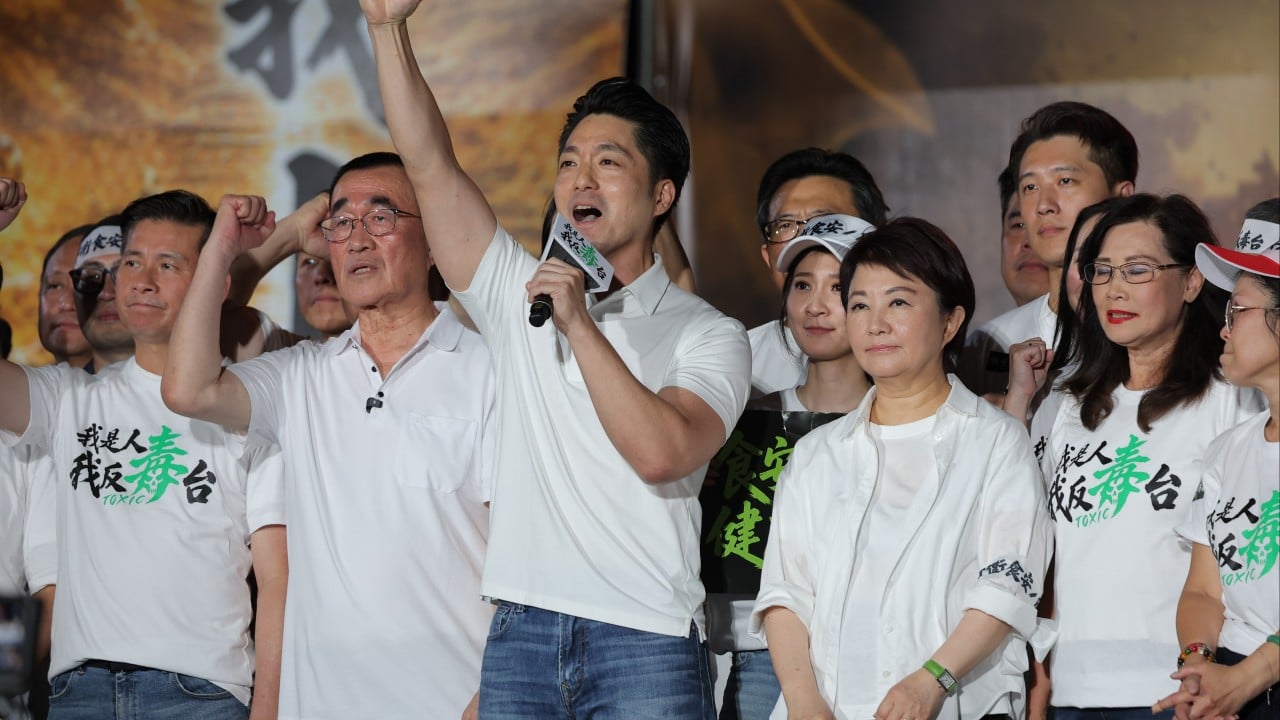
Food safety panics hit differently in Taiwan. When thousands of people pack onto Ketagalan Boulevard to scream for government resignations, politicians sit up and listen.
The recent explosion over contaminated soybean oil containing four times the legal limit of the carcinogen benzo[a]pyrene has handed the opposition a golden weapon. Central Union Oil Corp manufactured roughly 1,300 metric tonnes of tainted product between April and June, quietly poisoning supply chains before authorities pulled hundreds of related goods off shelves. Now, the Kuomintang and the Taiwan People's Party are using public fury to hammer the ruling Democratic Progressive Party.
Opposition parties smell blood in the water. But converting raw public anger into actual electoral momentum requires more than just shouting slogans outside the Presidential Office.
The Politics of Kitchen Table Panic
Food scares have a long, brutal history of toppling political fortunes on the island. Back in 2014, the KMT bore the brunt of intense public rage over recycled cooking oil scandals, watching opponents weaponize safety failures with devastating precision.
The tables have turned. Today, the DPP holds the executive branch, leaving them wide open to charges of hypocrisy, slow-walking investigations, and trying to protect major food processors. When over 200,000 protesters flooded Taipei streets demanding accountability, premier Cho Jung-tai and president Lai Ching-te faced immediate demands to apologize and step down.
The opposition strategy relies on a simple narrative: competence failure. They point to the weeks it took authorities to track down downstream vendors and demand to know why information trickled out slowly. For parties trying to rebuild their brand and win over skeptical urban voters, this crisis looks like a straightforward path to scoring points.
Why Capitalizing Is Harder Than It Looks
Getting angry crowds on the street is easy. Translating that energy into sustained legislative power or local election victories is entirely different.
Voters in Taiwan are intensely pragmatic. They know food contamination involves a complex web of corporate greed, local inspection gaps, and central oversight delays. When people ask who dropped the ball first—local governments initially tasked with inspections or central health authorities regulating food safety standards—fingers point everywhere.
Opposition politicians risk overplaying their hand. If voters perceive that parties are exploiting consumer anxiety purely for partisan theater rather than fixing structural inspection protocols, the backlash can boomerang. We saw this dynamics play out when minor official gaffes or clumsy social media comments from ruling party figures only fueled more media cycles, distracting from actual policy solutions.
What Actually Needs to Happen Next
If the opposition wants to turn this cooking oil debacle into a permanent political advantage, they have to stop treating it like a standard media punching bag.
- Push for structural transparency: Demand legally binding, automated public disclosure timelines whenever food safety thresholds are breached, removing bureaucratic discretion.
- Target supply chain tracking: Focus legislative efforts on upgrading digital traceability for raw agricultural imports rather than just demanding high-profile resignations.
- Maintain bipartisan pressure: Keep health committees functioning to amend the Act Governing Food Safety and Sanitation instead of turning legislative hearings into shouting matches.
Scandals fade from headlines fast when the next crisis hits. If opposition leaders fail to deliver hard legislative fixes while the public is still paying attention, this moment will become just another loud protest that vanished into thin air.

(mh=Pcg2NpKyTHcOP6_s)0.jpg)