Food safety crises have a nasty habit of crashing corporate parties. Just as Yum Brands prepares to drop its second-quarter earnings report, a sprawling public health headache has hijacked the spotlight.
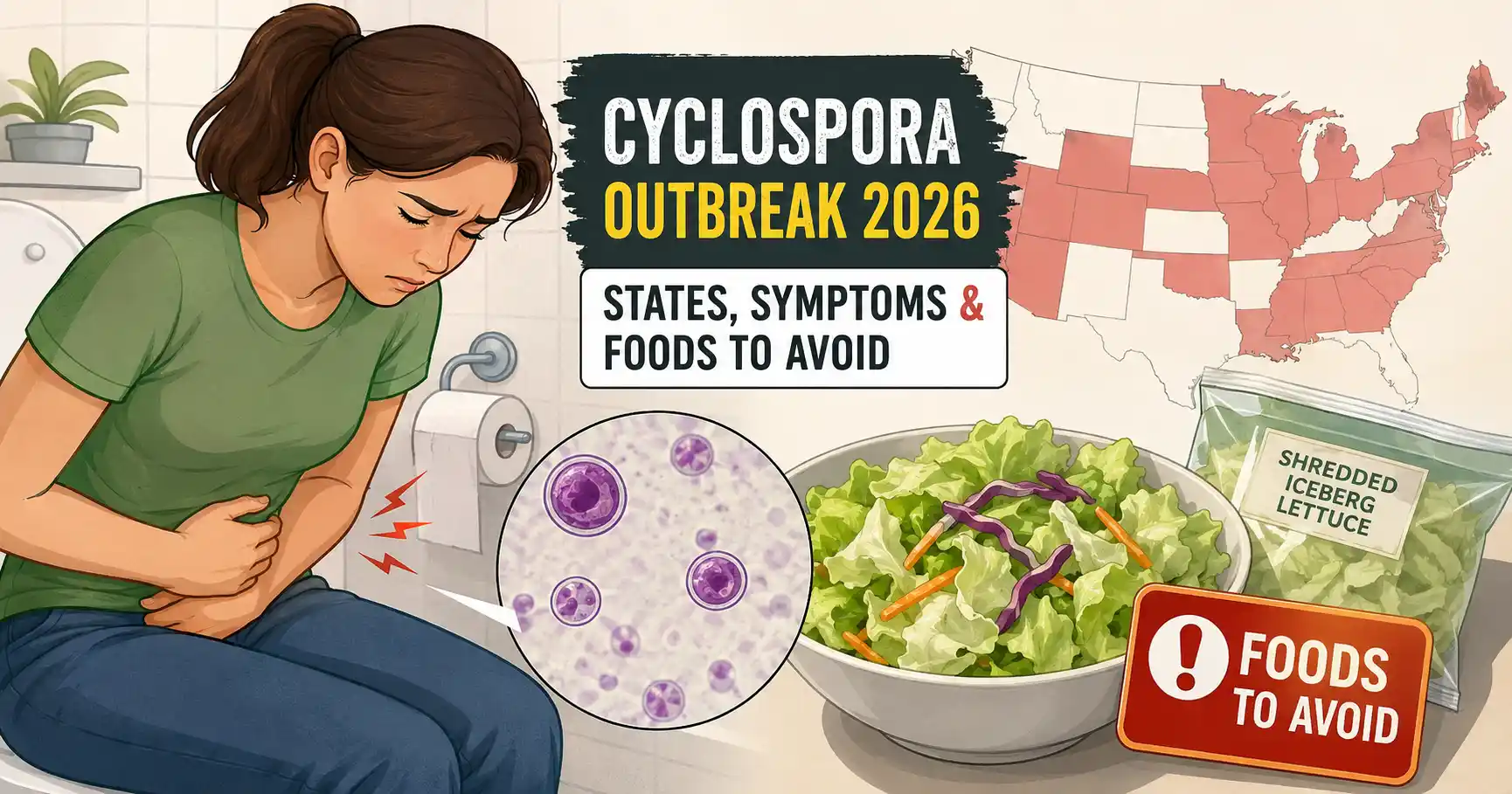
A severe cyclosporiasis outbreak tied directly to shredded iceberg lettuce served at Taco Bell has sickened thousands across multiple states, triggering an 8% drop in Yum shares and plunging daily foot traffic into a tailspin. Wall Street analysts spent weeks updating their models, but the real story isn't just about headline numbers. It is about how a single supplier misstep can temporarily ground a fast-food juggernaut.
The Anatomy of a Supply Chain Shock
When federal health investigators traced the microscopic parasite to iceberg lettuce processed by Taylor Farms, the operational fallout was immediate. Taco Bell pulled the affected greens by mid-July, but the damage to consumer confidence was already done. Daily sales figures dipped sharply for several consecutive days, and foot traffic metrics recorded double-digit declines at peak lunch and dinner hours.
Investors hate uncertainty, and foodborne illness outbreaks breed uncertainty faster than almost anything else in retail. Yet seasoned restaurant watchers know that quick-service giants have weathered worse storms. Consider how McDonald's handled its own high-profile contamination scares in recent years—sales slumped temporarily, only to rebound once new safety protocols took hold.
Reading the Numbers Behind the Noise
Consensus estimates heading into the earnings release pegged earnings at $1.58 per share on roughly $2.2 billion in revenue. On paper, those figures point toward stable year-over-year growth. But looking at the trailing data requires separating calendar realities from operational panic.
The outbreak peaked in mid-to-late July, which means the second quarter closes just as the worst of the headlines hit. The true financial sting of lost transactions and consumer hesitation will likely loom larger in third-quarter projections rather than completely ruining Q2 figures.
Taco Bell has historically driven a massive chunk of Yum Brands' domestic momentum, posting strong same-store sales growth earlier in the year. Analysts from major financial institutions have largely treated the crisis as an external supply chain glitch rather than a permanent structural flaw in Yum's asset-light business model. Franchisees shoulder much of the immediate retail margin compression, while corporate headquarters manages the brand protection playbook.
Distractions and Strategic Shifts
What makes this earnings cycle particularly messy is the simultaneous corporate restructuring happening behind the scenes. Yum Brands recently announced plans to divest Pizza Hut for billions, aiming to streamline its portfolio into a leaner machine anchored by Taco Bell and KFC.
Executives wanted investors talking about capital efficiency, digital kiosk rollouts, and international expansion. Instead, leadership spent earnings calls answering pointed questions about parasite tracing, supplier auditing, and customer trust. Taco Bell CEO Sean Tresvant rushed to reassure diners via open letters, emphasizing that customer loyalty has to be re-earned one meal at a time. Value promotions like low-priced menu favorites have also been pushed front and center to entice wary diners back through the drive-thru lanes.
What Smart Money Is Watching Next
If you're tracking restaurant stocks right now, don't just stare at the headline earnings per share. Look closely at management guidance for August and September. Pay attention to how quickly weekly same-store sales recover after a recall.
Supply chain diversification and rigorous supplier oversight are going to cost more money moving forward. Fast-food operators will likely pass some of those compliance costs down the line, or absorb them to protect market share. Watch for commentary on whether foot traffic permanently normalized or if a segment of the customer base migrated permanently to competitors.
Check your portfolio exposure, review the updated quarterly guidance figures once released, and watch for official updates from public health agencies regarding the final containment of the outbreak source.