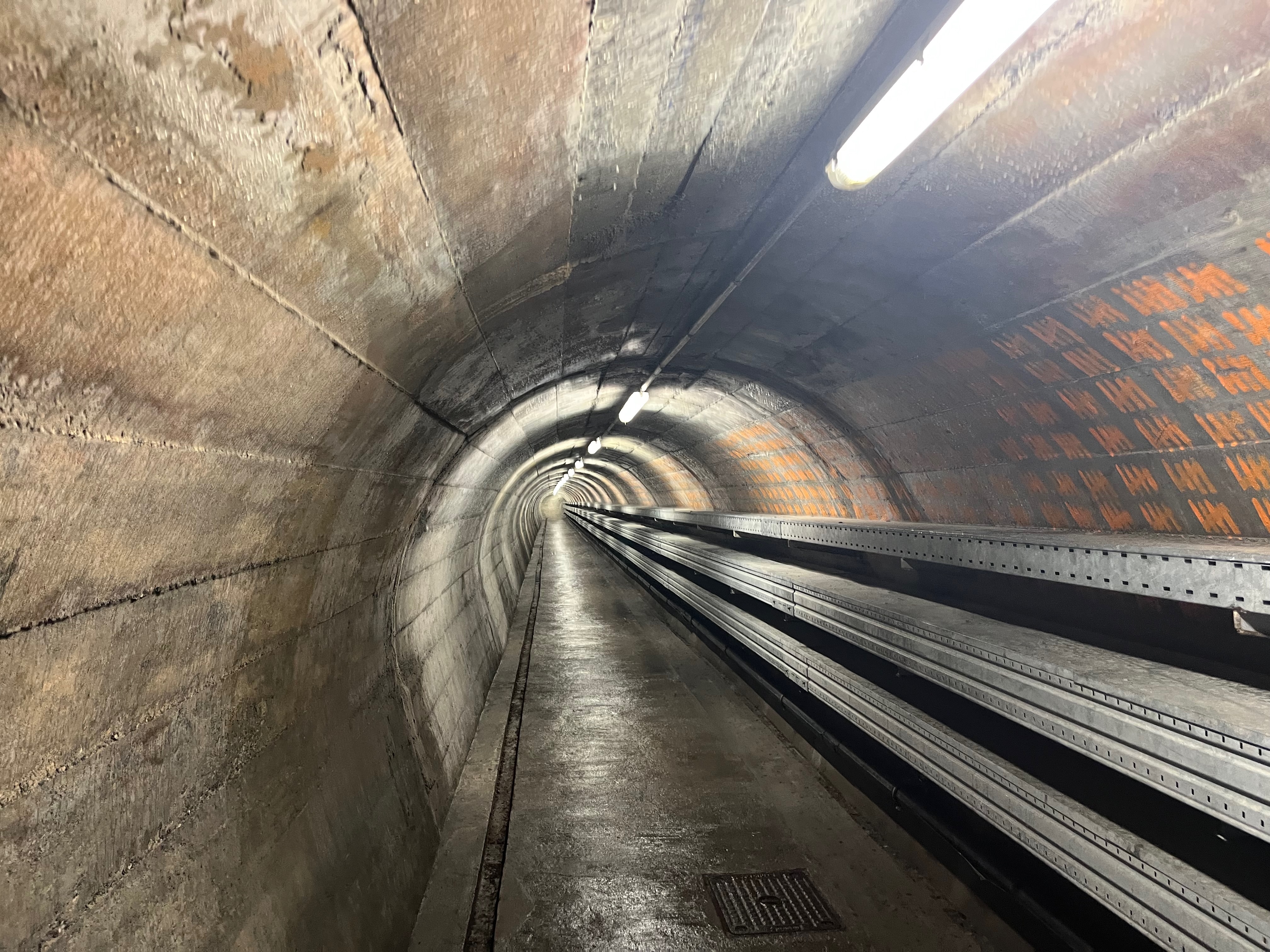
You picture snowcapped peaks, immaculate watches, and sweet milk chocolate when someone mentions Switzerland. You probably don't picture concrete blast doors hidden behind children's playground slides. Yet, this peaceful Alpine nation hides over 370,000 underground nuclear bunkers. Every single one of its roughly 9 million citizens has a legally guaranteed space to hide if things go south.
Why does a permanently neutral country maintain an apocalyptic safety net? The answer goes far beyond standard military paranoia. It's a masterclass in civil planning that most nations abandoned decades ago.
The Island Mentality That Built a Shelter Empire
Switzerland's obsession with underground defense isn't a modern reaction to shifting global tensions. Historians trace the root back over a century. The country views itself as a quiet island surrounded by a chaotic sea of continental conflict.
During World War I and World War II, that isolationist metaphor kept the nation intact. When the Cold War arrived, the threat merely changed shape. Swiss planners figured that while the country's neutrality might spare it from a direct nuclear strike, lethal fallout from neighboring battlegrounds would easily drift across the border.
Instead of crossing their fingers, they mandated concrete.
The Law That Put a Bunker Under Every Roof
You can't just build a standard apartment block or university building in Switzerland and walk away. Federal law requires developers to include a nuclear bunker in new residential constructions or pay a heavy exemption fee directly to the state to fund communal shelters.
Property owners shell out thousands of dollars upfront for thick steel blast doors, specialized ventilation systems, and airtight seals. During times of peace, these spaces don't sit empty. Walk into the basement of an average Swiss apartment building or the University of Bern, and you'll find wine racks, bicycle storage, or saunas.
Switzerland basically turned its entire civilian real estate portfolio into a dual-purpose survival machine.
When Mega-Bunkers Scale Down
Not all shelters are tiny basement cubbies. Some are engineering marvels designed to swallow entire communities. Take the Sonnenberg bunker in Lucerne. Built during the 1970s, it could originally hold 20,000 people—roughly one-third of the city's entire population.
It sounds impressive on paper. In practice, reality got messy. Planners eventually realized that cramming 20,000 people into a single underground complex for weeks would trigger massive social and psychological friction. Logistics broke down under the weight of human behavior.
Authorities slashed the capacity of the Sonnenberg facility down to 2,000 people. Over the years, parts of those massive subterranean halls—complete with mock hospitals and holding cells—have seen alternative uses as temporary overflow housing for the homeless and asylum seekers.
Civil Defense as a Cultural Habit
Switzerland doesn't just build shelters and forget about them. The government weaves civil defense right into the social fabric. School children spend entire weeks learning how to operate air filters, drawing shelter layouts, and occasionally spending a night sleeping on bunks underground.
Citizens pay a recurring maintenance tax to ensure these spaces remain functional. Diesel generators, emergency water reserves, and heavy-duty seals are inspected regularly. While other nations treat civil defense as an afterthought, the Swiss treat it like paying utility bills.
International anxiety spikes whenever global conflicts flare up, driving fresh waves of interest back to Switzerland's underground network. Yet, the Swiss system remains steady because it was never built for a single panic. It was built as a permanent architectural baseline.
Check your local municipal guidelines if you ever plan real estate development abroad, or just appreciate how one nation decided that hope alone isn't a strategy.