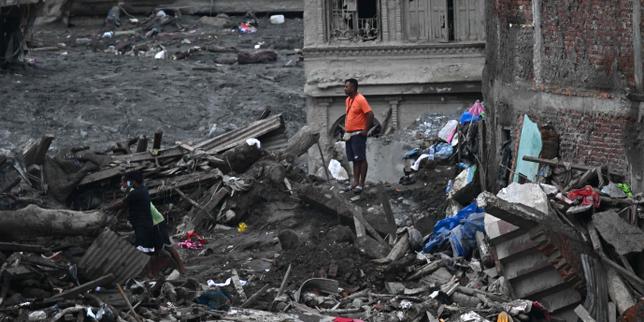
Disasters usually measure their tragedy in body counts and flattened concrete. Every once in a while, though, the math shifts. Ten days after catastrophic floods slammed Nepal, rescue workers are still finding people breathing beneath mountains of mud and pitch-black tunnels.
If you've been following the August 26 disaster triggered by a massive glacier collapse, you know the numbers are grim. Over 1,300 people lost their lives, and thousands remain missing. Yet, amidst the wreckage, stories of survival are defying every statistical probability. International specialists and local crews are dragging people out of conditions that should have been fatal days ago. Read more on a similar topic: this related article.
The Ten-Day Miracle In The Trishuli Tunnels
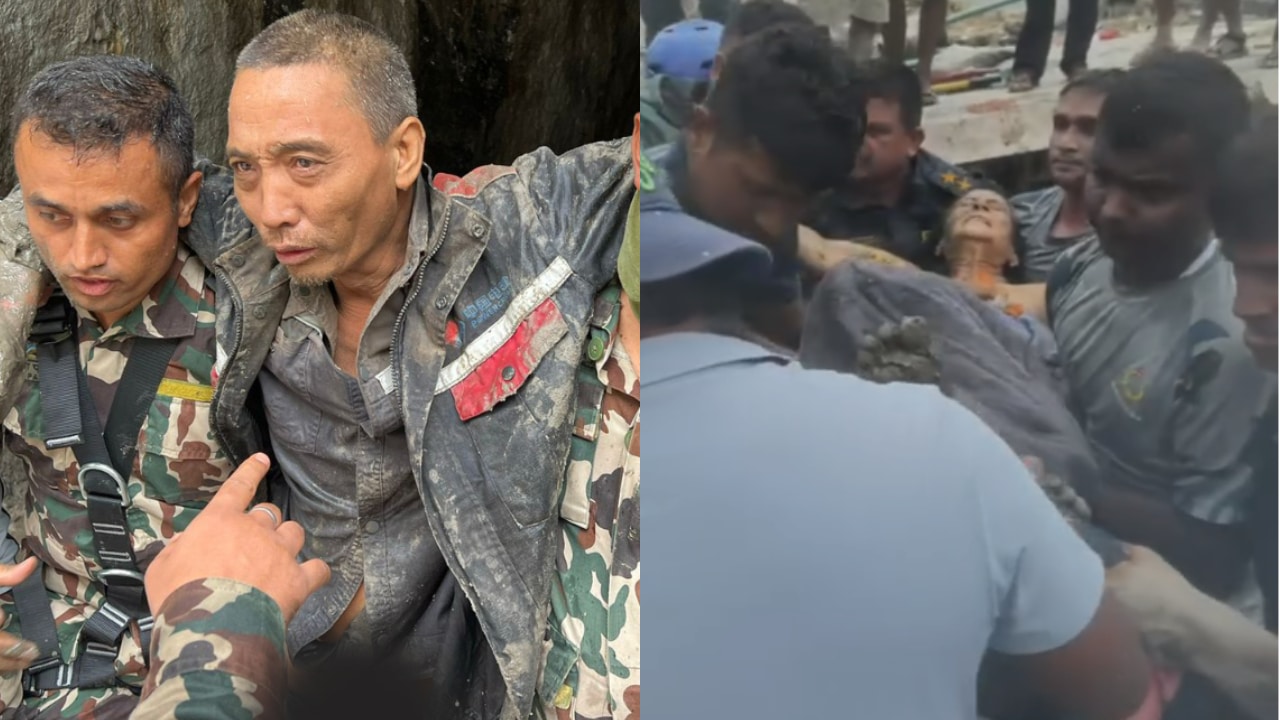
Consider the case of Luhaitao, a Chinese national working on local infrastructure. He spent ten grueling days trapped inside a 225-metre-long tunnel linked to the Trishuli hydropower project. Ten days. Without sunlight, with limited air circulation, and surrounded by tons of debris.
When a joint team of Nepalese military personnel and South Korean disaster response specialists finally reached him, he wasn't just a statistic. He was alert, his hands caked in thick mud, walking with his arms over the shoulders of his rescuers. Further journalism by The Washington Post highlights similar perspectives on the subject.
He isn't alone. The operation at the Trishuli sites has turned into a desperate race against time. Just a day prior, two Nepali workers were pulled alive from a tunnel at the Trishuli 3A plant. Down in Nuwakot, a 64-year-old woman named Chandika Shrestha was dragged out alive from a severely damaged house before being airlifted to Kathmandu for urgent medical care.
These aren't ordinary rescue missions. They require precision, specialized heavy machinery, and an absurd amount of endurance from emergency crews.
Why So Many People Are Trapped Underground
People often ask how anyone can survive underground for more than a week. The reality of modern infrastructure construction explains part of it. Hydropower projects involve sprawling, deep underground networks. When flash floods sweep down valleys with terrifying force, torrents of water and debris rush into these tunnels.
Workers scramble for higher ground or get trapped in air pockets formed by collapsed machinery, structural pillars, and elevated ledges. But time is the ultimate enemy. Dehydration sets in within days. Air quality deteriorates rapidly.
According to Nepal's disaster management agencies, nearly 900 workers remain missing across 12 hydropower sites in the country. Experts estimate that roughly 500 of them might still be trapped inside various blocked tunnels.
This is why international expertise matters. Teams from India, China, Australia, and South Korea rushed to the region, bringing specialized ground-penetrating radar, acoustic listening devices, and heavy extraction gear. Local police and military units are working around the clock, while mass graves are being filled with unidentified victims after DNA samples are meticulously cataloged for future identification.
The Long Road To Recovery After The Waters Recede
Finding survivors offers a momentary emotional spike, but the structural crisis in Nepal is just beginning. Prime Minister Balendra Shah faces a monumental challenge. Thousands of displaced residents are currently living in temporary relief camps, staring at a winter that will test every ounce of government infrastructure.
Reconstruction costs are projected to run into billions of dollars. The physical damage to roads, bridges, and energy grids means basic commerce and logistics remain choked in the hardest-hit districts. Government officials have promised safe housing and long-term aid, but translating political promises into concrete dwellings for thousands of homeless families takes months, if not years.
If you want to track how rescue operations evolve or support relief initiatives, look directly toward vetted international humanitarian organizations working on the ground in Kathmandu and Nuwakot. Keep an eye on local updates from the Armed Police Force of Nepal and military channels, which continue to post real-time extraction logs. The search for the missing isn't over yet, and every hour counts.