A sudden gust of wind tore through the construction shaft, carrying an unfamiliar, metallic roar. Workers deep inside the Bhote Koshi valley hydropower project on August 26 wondered briefly if an earthquake had struck the region. Then the electrical grid failed, plunging the subterranean networks into absolute pitch blackness.
Water rushed in immediately.
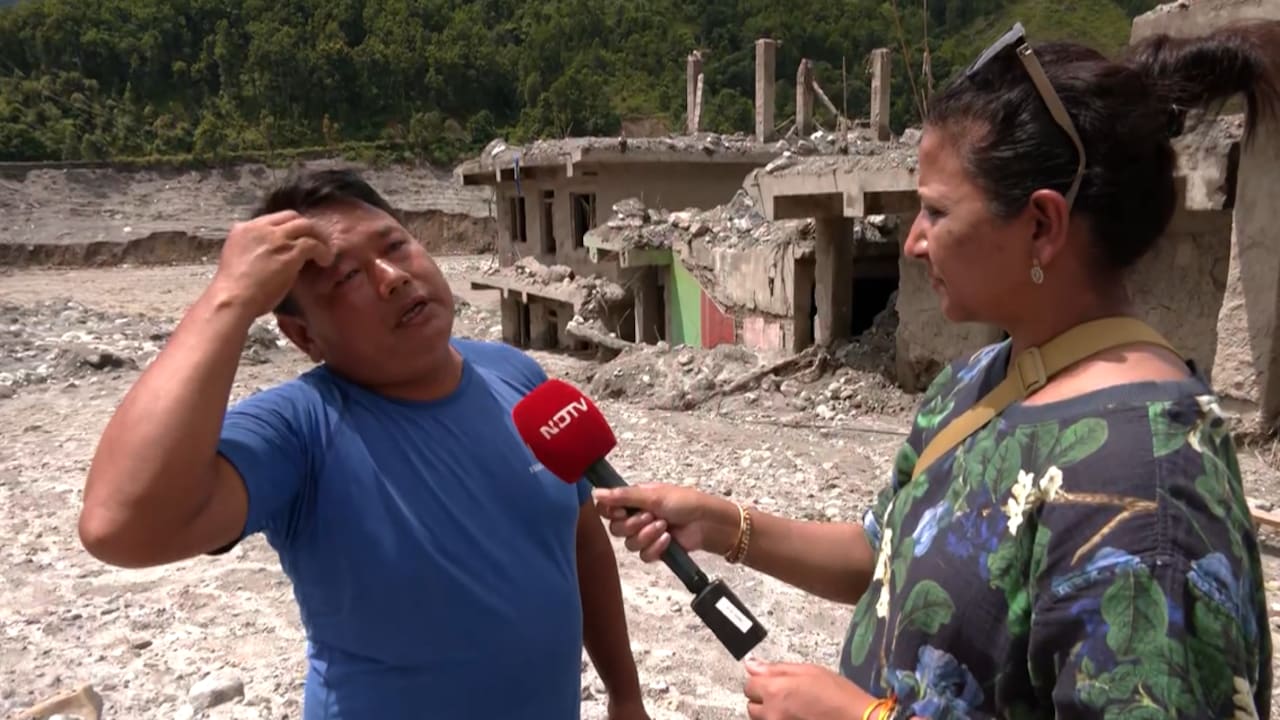
That terrifying moment marked the beginning of a two-hour ordeal for 35 workers trapped inside a flooded tunnel system. Catastrophic floods, triggered by a glacial landslide along the Lhende river near the Tibet border, battered dozens of energy facilities across Nepal. While heavy media coverage focused on the macro scale of the disaster—including thousands of missing persons and widespread infrastructure destruction—the micro-level survival stories inside these underground corridors reveal the sheer terror of industrial disaster response in remote terrain.
Surviving the Subterranean Flood
When the lights cut out, chaos took over instantly. Vishnu Bahadur Thapa, one of the workers caught deep underground, fell while attempting to sprint toward the nearest exit shaft.
Water levels rose rapidly, turning escape routes into rushing subterranean rivers. Wading through neck-high water in total darkness, Thapa and his colleagues dragged themselves nearly three kilometers through the concrete tube. They relied entirely on touch, instinct, and raw survival drive.
Most people don't realize how quickly a normal tunnel transforms into a death trap during a glacial outburst flood. Debris, swift currents, and suffocating air pockets compound the danger long before rescue crews can mobilize on the surface. For Thapa's group, escaping with their lives depended on reaching the tunnel exit before heavy mud and silt filled the remaining airspace.
The Grim Reality of Underground Rescue Operations
While 35 workers managed to beat the odds and crawl out into the daylight, many others remained trapped as days turned into weeks. Search and rescue teams faced immense logistical nightmares across the Bhote Koshi and Trishuli river basins. Heavy machinery struggled to clear massive piles of debris, boulders, and sludge blocking access points.
Industrial safety experts note that underground tunneling projects face unique vulnerabilities during extreme weather events. Standard emergency protocols often fail when regional power grids collapse simultaneously with flash floods. Without auxiliary lighting systems that survive initial impacts, workers are left completely blind in environments where seconds mean the difference between life and death.
Economic Pressures Versus Personal Safety
Questions naturally arise about why individuals return to hazard-prone industrial sites after surviving such harrowing brushes with death. For Thapa, the answer is brutally simple. Economic survival dictates physical choices.
After reuniting with his family—who miraculously survived the deluge in their upper-level settlement—Thapa acknowledged that he would return to hydropower labor once the plants rebuild. Families need income, and rural employment options remain scarce.
Disaster response infrastructure in the Himalayas requires aggressive overhauls. Early warning systems tied directly to glacial lake monitoring can buy precious minutes for evacuation, but underground workers will always remain vulnerable to sudden hydrological shocks unless projects implement redundant, flood-proof escape chambers.
The water receded, but the economic and emotional scars across the valley will take years to heal.