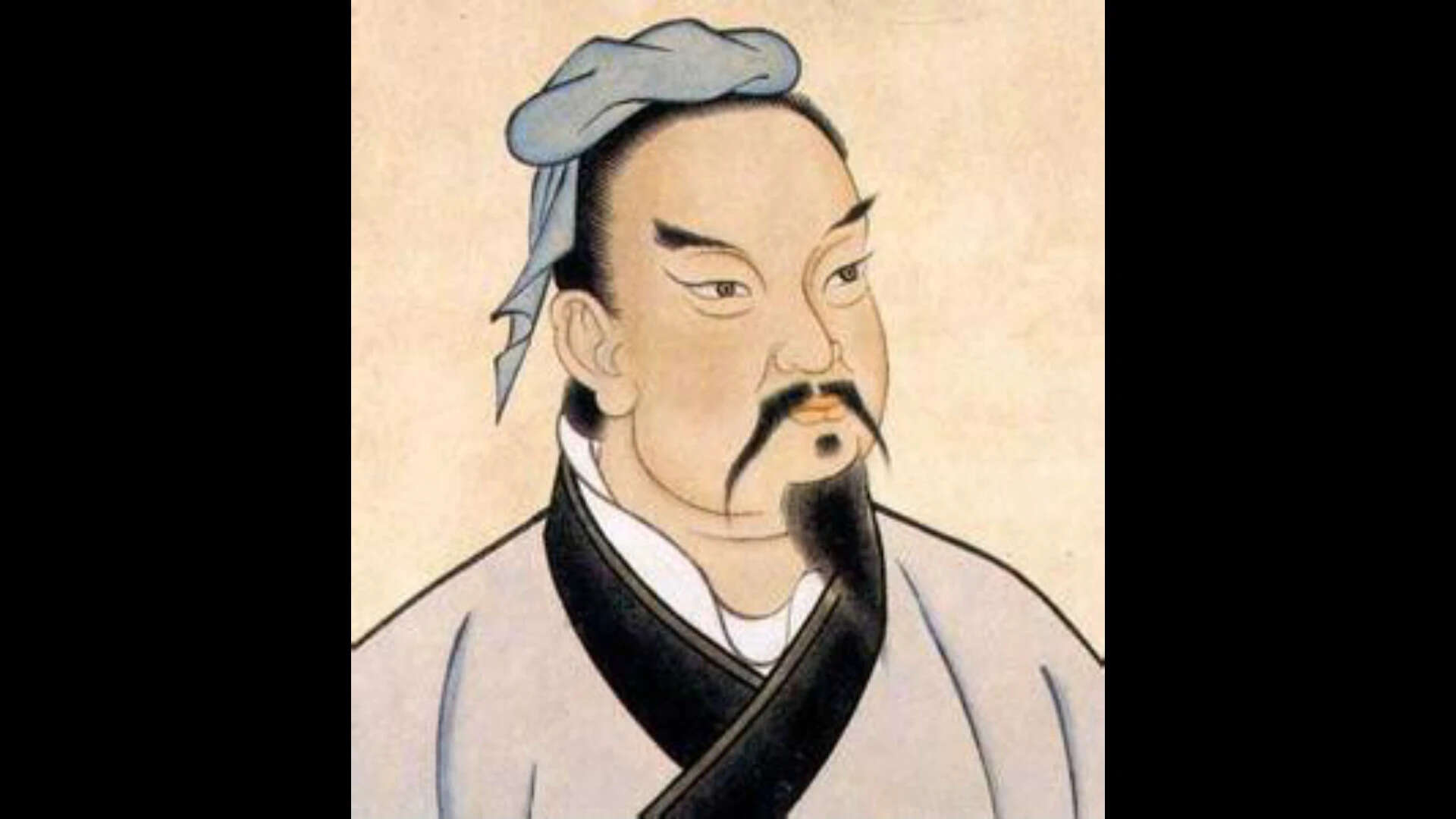
People love quoting Sun Tzu on coffee mugs and presentation slides. They throw around lines about winning without fighting as if ancient military maxims work like cheat codes for modern life. But almost everyone misses the actual weight behind the most famous line from The Art of War: If you know the enemy and know yourself, you need not fear the result of a hundred battles.
Most readers treat this as poetry. It is actually a brutal operational audit.
If you strip away the romantic history of ancient Chinese states, Sun Tzu was writing a survival manual for high-stakes competition. Let's look at why this specific advice fails or succeeds in modern strategy, and why your current approach to planning is likely missing half the equation.
The Three States of Strategic Awareness
Sun Tzu didn't just offer a comforting slogan; he mapped out three distinct outcomes based on how much homework you actually do. Most people operate in the middle tier and wonder why they keep hitting walls.
1. Total Preparedness
When you know both your adversary and your own capabilities, fear vanishes. This isn't because you possess magical confidence. It's math. You understand your exact cash runway, your team's skill ceiling, and your emotional triggers. At the same time, you have mapped your competitor's structural debt, market blind spots, and customer complaints. When those data points align, decision-making stops being an emotional gamble. You act because the outcome is calculated.
2. The Dangerous Half-Truth
If you know yourself but not the enemy, for every victory gained you will also suffer a defeat.
This is where most smart professionals get stuck. You spend months optimizing your internal processes, upgrading your skills, and building self-awareness. You feel ready. Then you launch a product, walk into a negotiation, or enter a market contest, and you get blindsided by an opponent whose moves you didn't track. You win one round through sheer competence, only to get crushed in the next because you ignored external realities.
3. Complete Strategic Blindness
Knowing neither your capabilities nor the forces opposing you guarantees failure. Operating purely on intuition, hope, or arrogance without testing your assumptions is a fast track to disaster. Every choice becomes a frantic reaction to a crisis you could have anticipated.
Why Self-Knowledge Is Harder Than It Sounds
Everybody thinks they know themselves. They list their strengths on a resume or outline their core values in a mission statement. This is usually fiction.
True self-awareness in a competitive environment means cataloging your systemic weaknesses. What causes you to panic under pressure? Where does your operation bleed money or time? What is your actual risk tolerance when things go sideways?
If you cannot answer these questions honestly, your strategy is built on sand. When an opponent applies pressure to your unacknowledged blind spots, your entire structure collapses. Knowing yourself means mapping your vulnerabilities so precisely that nobody can use them against you.
Reading the Opposition Without Paranoia
On the flip side, studying the opposition does not mean obsessing over every minor move your rivals make. Copying your competitors is a quick way to become a cheap imitation of them.
Instead, look for structural patterns. What do they ignore? Where are their customers complaining? What assumptions are they making that you can challenge? Real intelligence gathering is about finding the gap between what your adversary claims to do and what they are actually capable of executing under stress.
Stop treating strategy like a collection of clever sayings. Sit down, audit your own operations for hard weaknesses, and look outward at the actual landscape instead of hoping for the best. Pick one active project or goal you are working on right now, write down three things you do not know about the obstacles in your way, and go find those answers today.