Streaming service menus are crammed with thousands of titles you can play at the touch of a button. Yet every year, hundreds of thousands of moviegoers head into dark theaters, buy overpriced popcorn, and sit beside strangers to watch animated movies released decades ago.
Studio Ghibli Fest isn't just surviving in an age of instant digital access—it's thriving. Don't miss our earlier article on this related article.
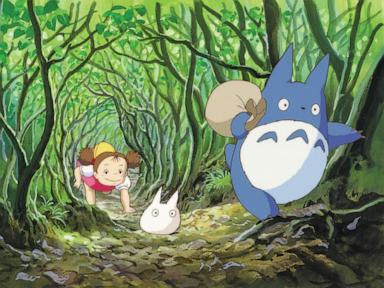
What started as an experimental partnership between distributor GKIDS and Fathom Entertainment has quietly turned into one of the most reliable box-office phenomena in North America. Ten years into its run, the nationwide theatrical festival continues to pack auditoriums for hand-drawn classics like My Neighbor Totoro, Ponyo, and Spirited Away.
It defies modern film distribution logic. Why pay fifteen bucks for a movie ticket when Hayao Miyazaki’s entire catalog sits right there on Max or Netflix? The answer lies in something streaming simply cannot replicate: collective magic, generational handoffs, and the undeniable impulse to experience breathtaking art on a screen larger than a living room wall. If you want more about the context here, Rolling Stone offers an informative summary.
The Unexpected Longevity of a Theatrical Tradition
When GKIDS and Fathom Entertainment launched the structured Ghibli Fest event model nearly a decade ago, many industry analysts considered it a niche nostalgia play. At best, it seemed like a short-term trick to cash in on die-hard anime fans who missed seeing Princess Mononoke or Castle in the Sky during their original limited US theatrical runs.
They miscalculated.
Instead of fizzling out after the core fan base saw their favorite titles once, attendance grew. Fathom Entertainment routinely ranks among North America's top theatrical distributors during these event windows, powered largely by classic Japanese animation.
The secret sauce is simple. Fathom and GKIDS don't treat these screenings like cheap revival house throwaways. They curate specific multi-day events throughout the summer and fall, giving fans options between pristine English-dubbed presentations for families and original Japanese audio with subtitles for purists.
They also attach exclusive bonus content—rare short films, behind-the-scenes interviews with animators, and archival featurettes—making each ticket feel like an event rather than a routine rerun.
Studio Ghibli Fest Annual Milestones
-----------------------------------------------------------------------------------
Partner Organizations:   GKIDS and Fathom Entertainment
Target Audience:         Multi-generational families, lifelong anime purists, gen-z cinephiles
Primary Format:          Dual screenings (English dub and original Japanese with subtitles)
Milestone Highlights:    40th Anniversary of Castle in the Sky, 25th of Spirited Away
Exclusive Retail Perks:  Ticket stubs yield 25% discounts at BoxLunch and Hot Topic
Why Streaming Service Menus Cannot Match the Cinema
We live in a culture obsessed with convenience. You can launch Ponyo on your tablet while doing dishes, or leave Kiki's Delivery Service playing in the background while scrolling on your phone.
That ease comes at a cost.
Ghibli films are famous for their quiet moments. Miyazaki calls this ma—the intentional pause, the quiet space between actions. It's the rain dripping off an umbrella while Totoro waits at a bus stop. It's Chihiro staring out the train window as water ripples across the tracks in Spirited Away.
At home, those moments are invitations to check text messages. In a darkened movie theater, away from the glare of your phone screen, those moments hit with emotional force. The hand-painted watercolor backgrounds, the subtle rustle of leaves, and Joe Hisaishi’s legendary orchestral scores demand complete presence.
When you sit in a full theater and hear a collective gasp during a dramatic transformation—or shared laughter during a dust-bunny scene—you remember why cinema mattered in the first place.
Passing the Torch Across Generations
Walk into any Studio Ghibli Fest screening today and you'll spot a distinct demographic mix.
In one row sit millennials who originally fell in love with these films on scuffed DVDs or late-night cable broadcasts in the early 2000s. Next to them are their kids, wide-eyed and wearing oversized Totoro hats. Two rows back, a group of high schoolers who discovered Princess Mononoke through TikTok clips sit enthralled by the 4K restoration.
These movies age gracefully because they treat young audiences with respect. They don't rely on pop-culture jokes, trendy slang, or cheap cynicism. A Ghibli film made in 1986 feels just as fresh and emotionally honest to a child in 2026 as it did forty years ago.
Parents aren't just taking their kids to the theater for distraction. They're passing down a cultural heirloom.
Major Milestone Anniversaries Drive Record Crowd Turnout
A huge factor keeping Ghibli Fest fresh after a decade is its revolving focus on major studio anniversaries. Rather than running identical line-ups year after year, organizers built the schedule around historic moments in the studio's catalog.
The festival features huge milestones that draw both casual admirers and hard-core animation historians:
- Castle in the Sky 40th Anniversary: Miyazaki’s soaring steampunk adventure remains a masterclass in pacing, mechanical design, and pure sense of wonder.
- Only Yesterday 35th Anniversary: Directed by the late Isao Takahata, this reflective, nostalgic drama proves Ghibli’s mastery extends far beyond fantasy monsters into grounded human emotion.
- Spirited Away 25th Anniversary: The Oscar-winning masterpiece that put Studio Ghibli on the global map serves as the crown jewel anchor for the series.
- Tales from Earthsea 20th Anniversary: Goro Miyazaki's directorial debut joins the official fest lineup, giving fans a rare chance to see this darker fantasy on the big screen.
By rotating these anniversaries alongside evergreen favorites like My Neighbor Totoro and Ponyo, the festival guarantees that every annual pass holder has a reason to return.
Merchandising Partnerships Turn Screenings Into Full Events
The Ghibli Fest team understands that going to the movies is a lifestyle choice. To lean into the fan experience, GKIDS built smart partnerships beyond the theater lobby.
Show your Ghibli Fest ticket stub at retailers like BoxLunch or Hot Topic, and you get an immediate 25% discount on in-store merchandise. It’s a brilliant loop. Fans see the movie, head to the mall to buy plushies or graphic tees, and wear that gear to the next screening.
It transforms a standard movie ticket into a full day out, building a sense of belonging around the brand that no algorithm can emulate.
Concrete Steps to Get the Best Ghibli Fest Experience
If you're planning to catch a screening before the current season wraps up, don't just buy a random ticket at the box office. A little preparation goes a long way toward getting the most out of the experience.
- Choose your audio presentation intentionally. Check the schedule closely. Matinee showtimes on weekends almost always feature the English dub—ideal for families with young kids. Evening weekday slots usually screen the original Japanese audio with English subtitles, which purists generally prefer.
- Arrive fifteen minutes early. Fathom screenings feature unique pre-show material, including archival artwork, trivia, and behind-the-scenes footage that starts before the official showtime.
- Hold onto your physical or digital ticket stub. Don't trash your confirmation email or physical ticket. You'll need it to claim retail discounts at partner stores after the film.
- Explore the lesser-known titles. Everyone knows Totoro and Spirited Away. Take a chance on Takahata's films like Only Yesterday or Whisper of the Heart. They often deliver the deepest emotional impact on the big screen.
Visit the official Ghibli Fest or Fathom Entertainment websites, plug in your zip code, select your preferred audio version, and lock in your seats before the remaining anniversary screenings sell out.