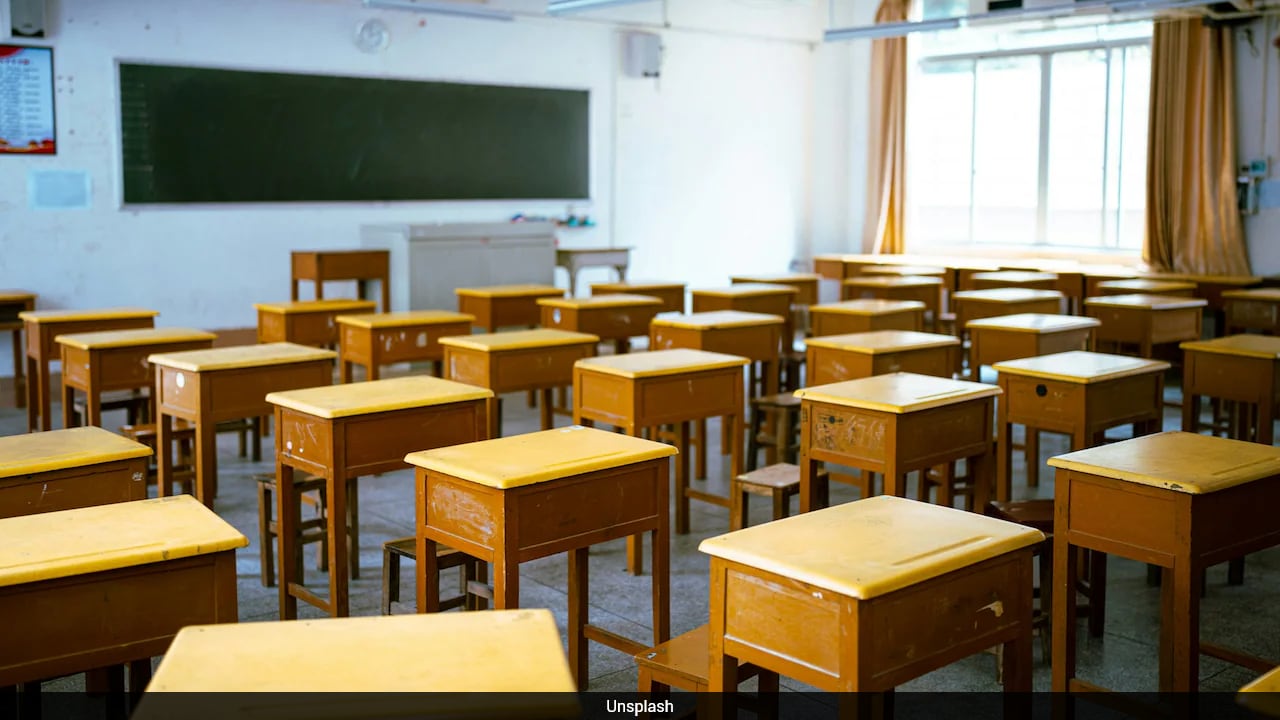
You fail an exam, and suddenly your entire future evaporates. That is the terrifying reality whispered in high-performing classrooms across China. When the academic stakes scale impossibly high, young minds crack. Instead of turning to friends or family, an increasing number of teenagers are quietly logging onto closed chat rooms to source prescription drugs. They aren't looking to get wild. They are looking to completely check out from reality.
The pressure cooker of modern test culture creates a specific kind of despair. Schools often rely on ruthless elimination tiers where dropping a single decimal point gets you kicked out of elite tracks. Students internalize this system until a lower grade feels like absolute, irreversible ruin. Expanding on this idea, you can find more in: How Australia Is Handling The High Stakes Battle Against Bird Flu In Wildlife.
The Pharmaceutical Escape Hatch
Kids as young as fourteen are managing to bypass digital safeguards. They buy controlled cough suppressants, neuropathic pain relievers, and Parkinson's medications online. Taken in massive quantities, these substances do not help anyone study. They cause heavy dizziness, slurred speech, hallucinations, and a complete dissociation from the physical body.
The appeal is simple. When your brain is screaming from sleep deprivation and chronic anxiety, numbness feels like salvation. Chat rooms buzz with teenagers trading alternative drug names and coded keywords to evade online censors. When authorities crack down on one specific pill, the community pivots instantly to another unregulated chemical compound. Experts at CDC have shared their thoughts on this trend.
Sociologist Xiang Biao points out that these adolescents live in extreme isolation. Their days are entirely consumed by textbooks and parental expectations, leaving zero room to build actual social safety nets or witness what normal life feels like. When parents treat children purely as investments or future retirement plans, emotional burnout becomes inevitable.
The Dangerous Intersection With Self-Harm
The crisis goes far beyond chemical dependency. Conversations inside these digital underground spaces frequently bleed into severe psychological distress. Young users openly encourage one another to engage in self-harm, looking for physical pain to cut through emotional numbness.
Child psychiatrists remain critically scarce relative to the massive scale of adolescent depression across the region. Millions of minors navigate severe mental health struggles with zero professional oversight. Meanwhile, parents often dismiss emotional vulnerability as simple weakness, telling kids to toughen up instead of asking how they actually feel.
Stopping this trend requires a complete dismantling of how families handle academic failure. Real recovery usually starts only when adults stop lecturing and start listening. When teenagers realize they have a support system standing by their side regardless of a test score, the desperate need to vanish inside a pharmaceutical haze begins to fade.
Face the root causes of academic burnout head-on by opening honest conversations with young people about their mental health before the pressure forces them to seek dangerous alternatives.