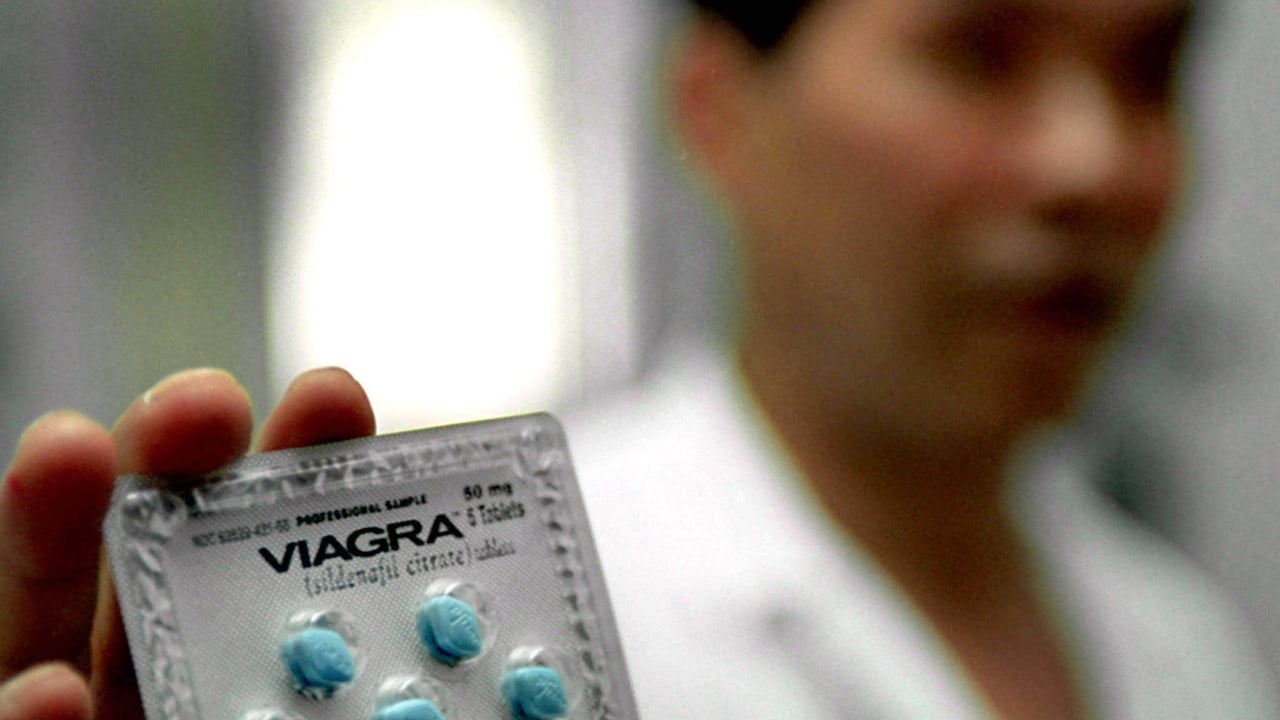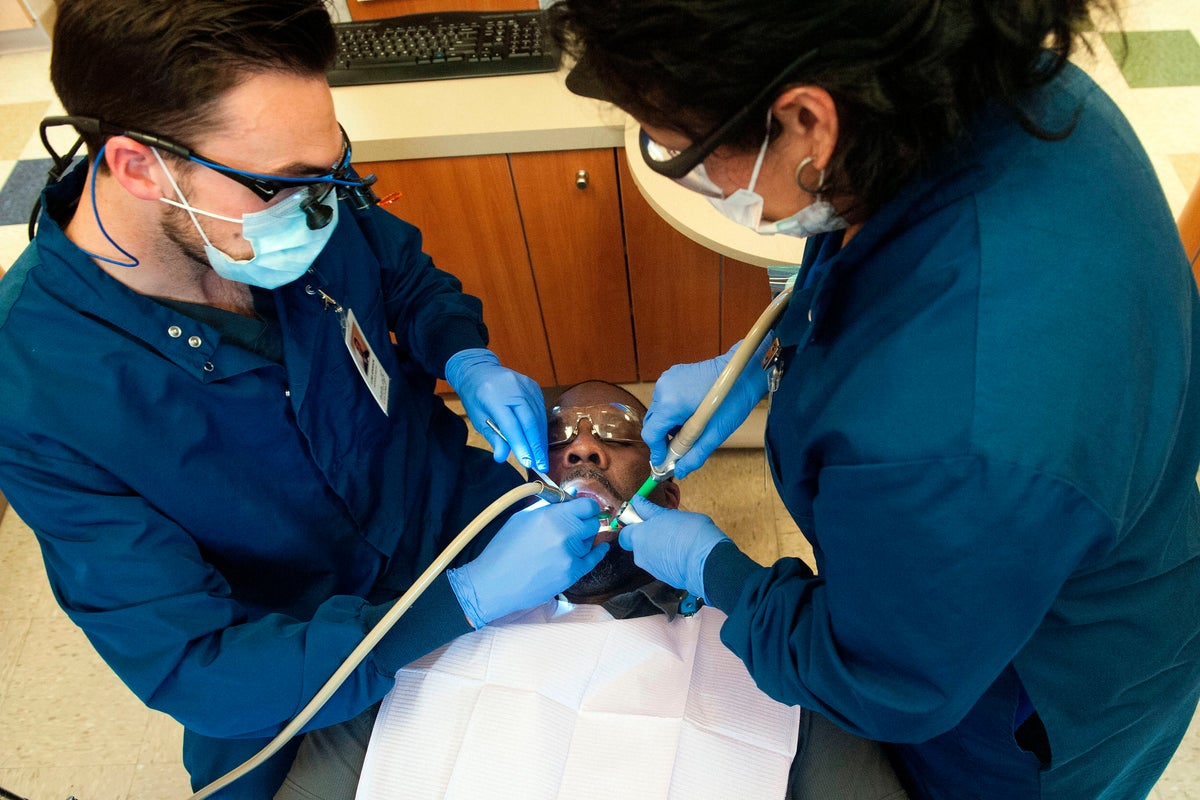
Drop the dental drill. For anyone who white-knuckles the arms of a dentist's chair at the mere whine of a burr, a simple brush-on liquid is changing how we treat tooth decay.
It takes seconds. There are no needles, no numbing shots, and zero mechanical drilling.
Recent clinical data published in JAMA Pediatrics has put a spotlight on silver diamine fluoride, or SDF. Led by researchers at the University of Michigan, a major U.S. trial followed 830 young children under the age of six across Michigan, New York, and Iowa. The results are straightforward: a 38 percent concentration of this topical liquid successfully stopped tooth decay in over half of the treated baby teeth.
This isn't futuristic science fiction. International dental providers have utilized SDF for decades. U.S. clinicians have used it off-label since 2014, primarily cleared back then as a medical device for tooth sensitivity. What changed now is the arrival of robust domestic trial data. Researchers finally captured the rigorous metrics required by the U.S. Food and Drug Administration to validate its power against cavities.
What Silver Diamine Fluoride Actually Is
The formula itself is simple chemistry. It combines silver and fluoride into a clear, potent liquid.
The mechanism works in two distinct ways. First, the silver acts as a heavy-hitting antimicrobial agent, tracking down and killing the bacteria driving the decay. Second, the high concentration of fluoride jumps in to remineralize and harden the compromised tooth structure.
Dentists apply it with a tiny sponge-tipped applicator. They paint it directly onto the vulnerable enamel or active cavity. The application takes mere seconds per tooth.
If you manage pediatric dental care, you know that tooth decay remains the most common chronic disease of childhood. It impacts over 40 percent of kids in the United States. Left untreated, minor cavities mushroom into painful infections, forcing thousands of young children into hospital emergency rooms and surgical suites for general anesthesia. SDF acts as a literal shield, arresting the spread of decay without trauma.
The Catch Nobody Mentions Online
Nothing in medicine is completely free of compromises. SDF comes with one major cosmetic drawback that you need to know about.
The silver inside the liquid permanently stains the decayed portion of the tooth. If a cavity sits on a visible front tooth, that spot turns a stark, permanent black.
For baby teeth destined to fall out naturally anyway, parents often find this a minor trade-off compared to undergoing sedation or heavy drilling. For adults dealing with cavities in back molars out of sight line, the dark stain matters very little. But if you care deeply about cosmetic perfection on visible teeth, you must weigh that aesthetic cost carefully.
Cost is another major differentiator. Traditional fillings require significant chair time, local anesthesia, and expensive equipment, often running hundreds of dollars per tooth. An SDF application typically ranges between $20 and $75 per dose. It makes basic preventive care radically accessible.
Who Benefits Most From No-Drill Dentistry
While children represent the primary group studied in recent trials, the applications stretch far beyond pediatric offices.
Older adults often experience root caries, a type of decay that forms on exposed tooth roots as gums recede with age. Drilling root surfaces can be painful and structurally risky. Painting a liquid stabilizer onto these roots stops the rot instantly.
People with severe dental anxiety or physical disabilities also stand to gain. Traditional dental procedures require absolute stillness and tolerance for invasive tools. SDF bypasses the psychological barrier entirely. For older adults or medically compromised patients, it serves as an effective bridge solution until more permanent restorative work can be safely scheduled.
Where Dentistry Goes From Here
The recent clinical validation paves the way for widespread institutional adoption. Public health advocates want to see this liquid introduced directly into community health centers, schools, and general medical practices—not just specialized dental clinics.
When you strip away the high-speed turbine drills and the anxiety of the dental chair, cavity management looks remarkably straightforward. Talk to your dentist about whether silver diamine fluoride fits your personal care plan during your next routine checkup.