When a single narrow maritime corridor handles roughly a fifth of the world's petroleum consumption, any disruption sends immediate shockwaves through global markets. Right now, that narrow artery is practically choking.
The recent attack on the Togo-flagged tanker Trend in the Strait of Hormuz—followed swiftly by claims of responsibility from Iran's Islamic Revolutionary Guard Corps—isn't just another localized skirmish. It's a stark reminder that the world's energy lifeline remains acutely vulnerable to regional conflicts, and current naval protection strategies are struggling to keep pace.
The Reality Behind the Collapse in Maritime Traffic
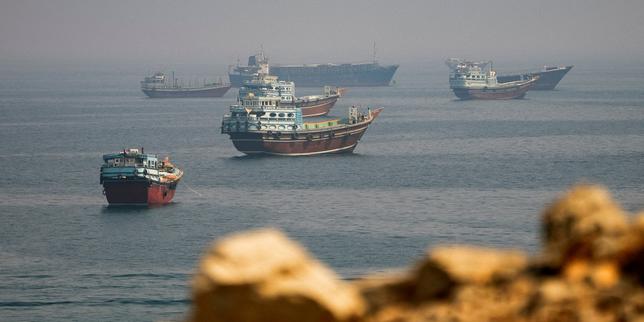
If you look at the raw shipping numbers coming out of the Persian Gulf, the scale of the slowdown is staggering. In normal operating conditions, anywhere from 100 to 140 commercial vessels navigate this chokepoint daily. Recent tracking data tells a completely different story, with reports showing traffic plummeting to a mere handful of commercial transits on certain days.
Why are shipping companies slamming the brakes? Simple risk management. Insurance premiums for transiting the Gulf have spiked dramatically, and corporate boards aren't willing to risk multi-million-dollar hulls and crew safety when projectiles are landing near Omani coastal waters.
Washington has floated proposals for heightened naval escorts to guarantee the free flow of energy, but patrols alone can't eliminate the underlying tactical advantages held by shore-based military assets. When an adversary operates right across the water with sophisticated anti-ship capabilities, traditional escorts turn into high-stakes escorts playing defense in a shooting gallery.
What Most People Get Wrong About Chokepoint Dependency
People often assume that modern alternative energy sources or strategic petroleum reserves mean we've outgrown our dependence on maritime chokepoints. That's a dangerous misconception.
Even with renewable transitions underway, refined products and crude oil moving out of the Persian Gulf remain foundational to industrial economies across Asia and Europe. When traffic through Hormuz grinds to a halt, the problem compounds instantly:
- Storage facilities near export terminals fill up fast, forcing regional producers to cap wells.
- Refineries thousands of miles away scramble for alternative grades of crude, driving up spot prices overnight.
- Supply chains for petrochemicals face cascading bottlenecks that ripple down to everyday manufacturing.
Tehran's strategy here isn't necessarily about total, permanent closure. It's about demonstrating that regional actors can squeeze the global economy at will, imposing high economic costs without triggering a full-scale conventional war.
Where Do We Go From Here
For energy traders, logistics managers, and policymakers, hoping for a quick return to status quo is no longer a viable strategy. The operational reality in the Middle East has shifted permanently toward high-risk maritime zones.
If you're managing supply chain exposure or energy procurement, you need to factor in recurring volatility around these strategic corridors. Diversifying supply contracts, increasing buffer stocks of refined products, and monitoring real-time United Kingdom Maritime Trade Operations (UKMTO) security advisories are baseline necessities. The chokehold on Hormuz is a preview of modern geopolitical leverage, and ignoring the warning signs is a luxury markets can no longer afford.