You’ve likely heard the term El Nino tossed around by every weather person on TV. It sounds like just another meteorological blip. Something to mention briefly before the sports report. But this time is different. We are looking at a climate event that has forecasters genuinely concerned. Some are calling it the strongest in a lifetime.
If you’re waiting for a calm winter, you’re probably going to be disappointed.
Basically, El Nino is the warm phase of a massive climate cycle in the Pacific Ocean. When those trade winds weaken, warm water sloshes eastward. It changes everything. It alters jet streams. It messes with hurricane patterns. It essentially rewrites the weather playbook for months on end.
Why this one is different
We see El Nino events every few years. That’s normal. What isn’t normal is the intensity we are tracking right now for the 2026-2027 cycle. Scientists are pointing to a ninety percent chance that this event hits the highest strength level.
Think about that for a second. Ninety percent. That isn’t just a guess; it is a statistical warning.
I’ve watched weather patterns for a long time, and the level of agreement among climate experts right now is rare. They aren’t debating if it will be strong. They’re debating how much damage it will inflict on infrastructure that’s already struggling.
The real impact on your daily life
If you live in the southern United States, expect drenching storms. The moisture transport is going to be relentless. We aren’t talking about a standard rainy season. We’re talking about potentially overwhelming drainage systems and flood risks in areas that might not have seen serious water issues in years.
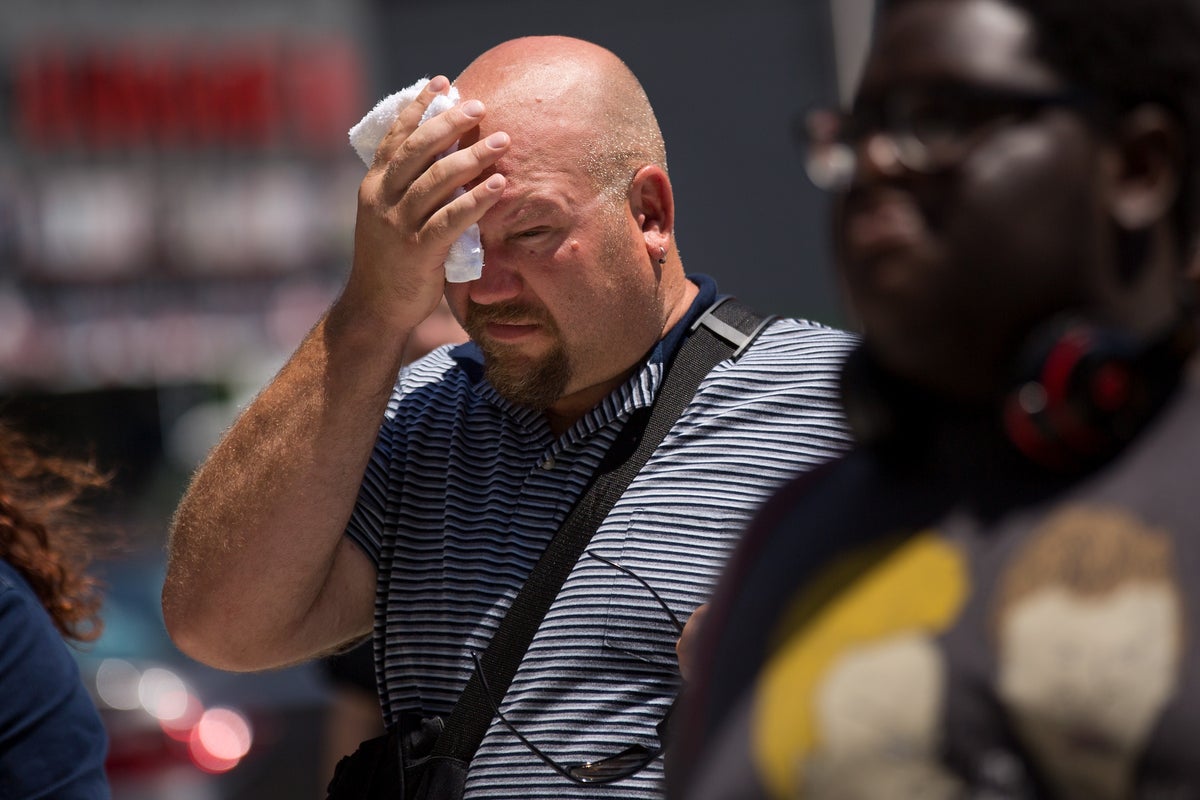
Then there is the heat. While the south deals with water, northern and eastern states are projected to deal with lingering heat deep into the fall. That changes energy demand. It changes how you plan your budget for cooling costs. Don’t expect a crisp, early autumn. It’s likely going to feel dragged out and uncomfortable.
And for the Southeast and southern Plains? Get ready for a messy winter. We are talking about potential combinations of snow, freezing rain, and sleet. If you’re a commuter in these regions, keep your emergency gear in the trunk starting in October. Don’t wait for the first forecast of flurries to scramble for supplies.
The myth of the drought solution
I hear this a lot: "At least all that rain will fix the water crisis in the West."
That is a dangerous misconception. The West has been battling a multi-decade water deficit. One record-breaking winter won't magically refill reservoirs or reverse the fundamental changes in water tables. Experts from groups like Western Resource Advocates have been clear about this. A wet winter is just a brief pause, not a long-term fix. We have to treat water management with the same urgency as if we were in the middle of a drought, because in many ways, we still are.
A look at the historical context
Some are comparing this cycle to the 1870s. That’s chilling. Back then, a massive El Nino event contributed to global famines that killed millions. Obviously, our modern infrastructure is better equipped to handle weather shocks than society was in 1877. We have better forecasting. We have better logistics.
However, our atmosphere and our oceans are much warmer now than they were back then. Climate change is adding fuel to the fire. It’s making the "new normal" feel a lot more volatile. Zeke Hausfather from Berkeley Earth put it best when he noted that what we are seeing now is basically a preview of 2035.
What you should actually do
Stop assuming the "official" forecast is just noise. Pay attention to local alerts.
- Check your flood insurance. Even if you don't live in a high-risk zone, the way this system is shaping up, you might want to look at your coverage again.
- Winterize early. Don't wait until December. If you live in the Southeast or Plains, check your home’s insulation and heating systems now.
- Audit your emergency kit. If you haven't checked your flashlights, batteries, and non-perishable food in the last six months, do it this weekend.
- Follow the data, not the hype. Look at official updates from NOAA. Ignore the sensationalist social media accounts trying to generate clicks with fake blizzard photos.
We’re moving into a stretch where extreme weather will be the default, not the exception. Preparing for this El Nino isn't about being paranoid. It’s about being realistic. Take the warnings seriously. Get your house in order before the first big storm hits.