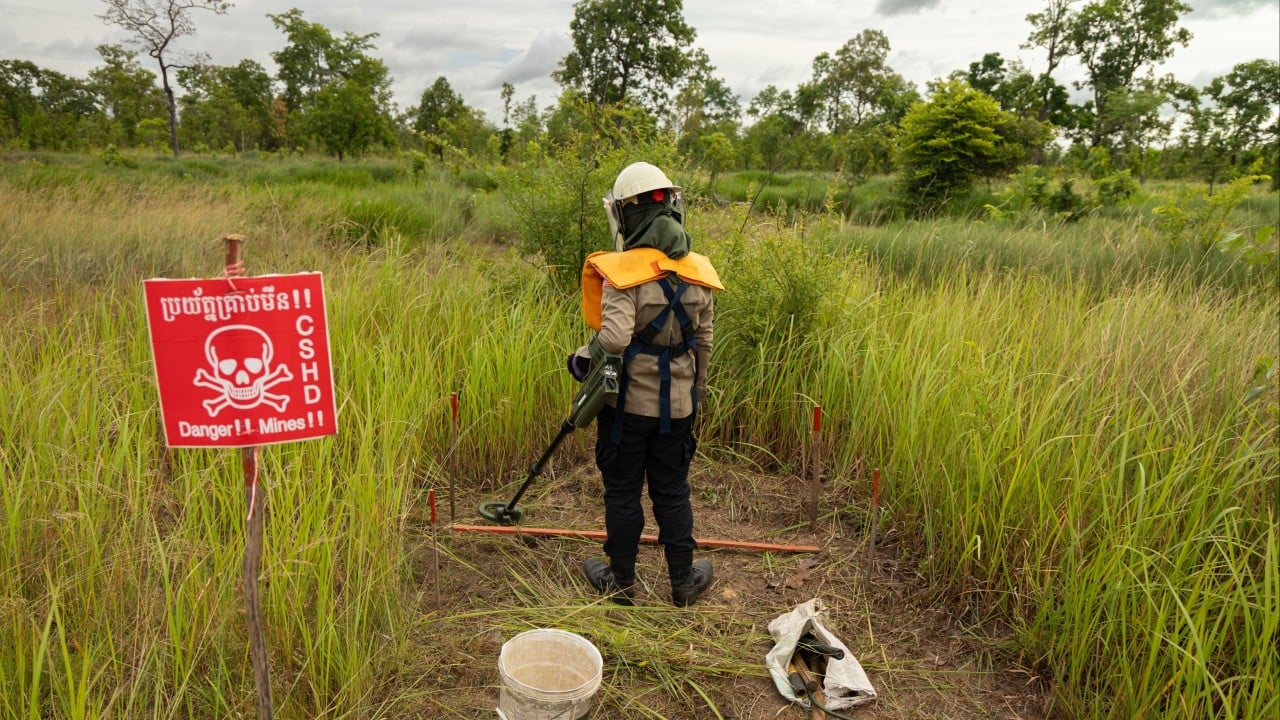
The ground in rural Cambodia hides a grim secret. Decades after the fighting stopped, landmines continue to harvest limbs and lives. You might assume these remnants of the Khmer Rouge and the Vietnam War are long gone, but that is a dangerous fantasy.
The reality is that local demining groups are running out of money. Global attention has shifted, and with it, the lifeblood of humanitarian aid has dried up.
The True Cost of Abandoning the Past
When headlines focus on active conflicts like those in Ukraine or Sudan, the world forgets the long-term casualties of old wars. That is a mistake. In places like Cambodia, Laos, and Vietnam, the war is effectively still happening for a farmer clearing land for a new crop.
I have seen the statistics, and they are brutal. It is not just about the immediate loss of life. It is the economic strangulation of rural communities. When a piece of land is suspect, nobody farms it. Nobody builds on it. It becomes a void in the local economy.
Why Funding Is Drying Up
The shift in aid priorities isn't just about callousness. It is about the brutal math of current international relations. Donors want to be seen helping where the cameras are currently pointed.
There is also the volatility of major powers. When the United States—historically a significant donor to demining efforts—alters its stance on foreign aid, the ripples are felt immediately by small, non-profit groups on the ground. A single policy freeze can ground teams, lock away equipment, and leave families vulnerable.
It’s easy to blame politicians, but the system is fundamentally broken. Aid is treated like a tactical asset instead of a moral imperative.
The Real Danger of Fading Support
We are reaching a tipping point. If these demining organizations shutter their operations, the expertise goes with them. These teams possess years of local knowledge. They know where the command posts were, where the heavy shelling occurred, and how the terrain shifts over decades. You cannot simply replace that human intelligence.
If they leave, the danger increases. As development expands, more people venture into areas that were previously untouched. Without professional clearance, they walk into traps set forty years ago.
What Actually Works
We need to stop thinking about demining as a short-term cleanup project. It is infrastructure.
- Integrated Land Management: Governments must prioritize demining not as a charity project, but as a prerequisite for agriculture and development.
- Local Empowerment: Relying solely on foreign NGOs is a trap. We need to train and certify more local operators who stay after the international spotlight shifts elsewhere.
- Transparent Data: Making minefield maps public and accessible via mobile technology helps keep locals safe in real-time.
Beyond the Headlines
If you are looking for a way to help, do not just send money to the biggest, loudest international charity. Look for the local organizations in Southeast Asia that have been at this for years. They are the ones who know the terrain, who have the trust of the local villages, and who understand that the real danger lies in the dirt beneath our feet.
The work is tedious. It is dangerous. It is often forgotten by the rest of the world. But until the last mine is cleared, the war hasn't ended. We need to stay focused, stop the political grandstanding, and finish the job. It is time to treat these remnants of the past with the urgency they still demand.