Two toddlers are dead. They were just two years old. They had barely learned to speak full sentences before their lives came to an abrupt, violent end in a South Los Angeles living room.
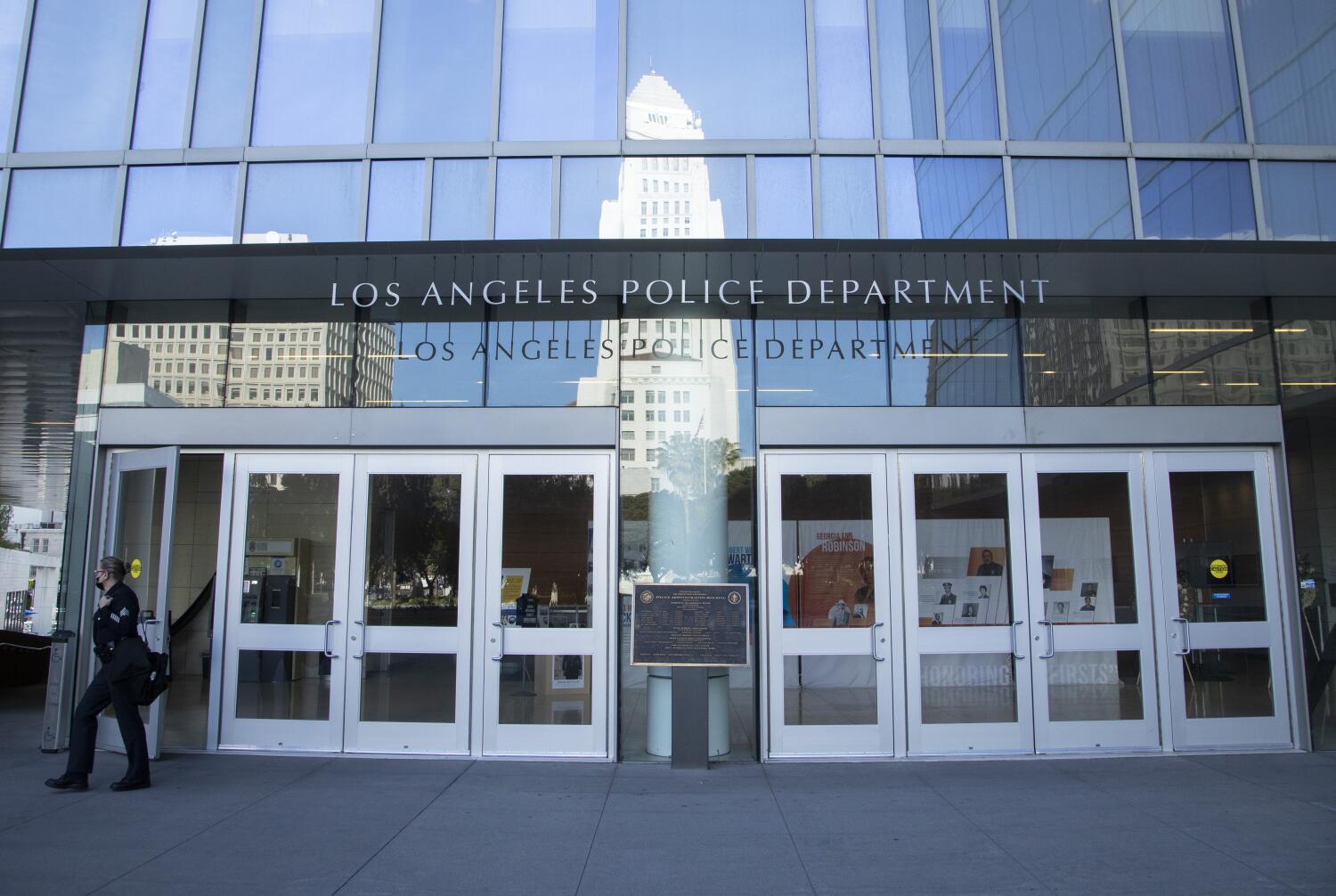
On Thursday morning, July 16, 2026, Los Angeles Police Department officers walked into a home on the 900 block of East 107th Street. What they discovered was a nightmare that is becoming horrifyingly common. Paramedics pronounced the twin boys dead at the scene. While the official autopsy results are still pending, police are investigating the tragedy as a narcotic overdose. The main suspect is fentanyl.
This is not just another sad headline to scroll past. The twin toddlers found dead from possible overdose in South L.A. home highlight a systemic failure that we are choosing to ignore. We have to talk about how street drugs are invading the sanctuary of early childhood, and we need to talk about it now.
What happened on East 107th Street
Emergency responders arrived at the South Los Angeles residence around 6:00 AM on July 16. What they found inside was a chaotic scene of grief and panic. The twin two-year-old boys were unresponsive. Despite the efforts of the Los Angeles Fire Department, there was nothing to be done.
The LAPD Abused Child Section immediately took over the investigation. As of right now, authorities have made no arrests, and they are keeping many details close to the chest. But the message from investigators is clear. They suspect fentanyl or a similar synthetic opioid was left within reach of the toddlers.
When a single adult overdoses, it is a tragedy of personal addiction. When two toddlers die simultaneously in their own home, it is a catastrophic failure of supervision and safety. Two-year-olds do not actively seek out drugs. They explore. They put things in their mouths. They trust the environment their caregivers provide. On Thursday morning, that trust was fatal.
The grim math of pediatric fentanyl exposure
It takes an incredibly small amount of fentanyl to kill an adult. For a toddler weighing less than thirty pounds, the lethal dose is practically invisible.
To understand why this happens so fast, you have to look at pediatric physiology. Children have faster metabolic rates and smaller respiratory systems than adults. When a toddler ingests or even touches a surface coated with synthetic opioid residue, the drug enters their bloodstream rapidly.
Within minutes, the opioid binds to the child's mu-opioid receptors in the brain. This triggers a rapid shutdown of the central nervous system.
- Respiratory depression: The child's breathing slows down to a crawl, then stops entirely.
- Hypoxia: The brain is starved of oxygen, causing irreversible damage within four to six minutes.
- Cardiac arrest: The heart eventually stops beating because of the lack of oxygen.
Because toddlers cannot communicate that they are feeling dizzy or losing consciousness, parents or caregivers often do not realize anything is wrong until the child has stopped breathing. By then, it is often too late.
The changing face of household drug poisoning
Historically, pediatric poisonings involved household cleaning products, cosmetic items, or prescription pills with childproof caps. But the illicit drug supply has changed. The rise of counterfeit pills and cheap, loose fentanyl powder has turned ordinary living rooms into minefields.
A study published in the journal Pediatrics analyzed over a decade of pediatric poisoning data and found a massive spike in synthetic opioid deaths among children under five. The researchers made a chilling observation. Most of these exposures do not happen because a child finds a hidden stash. They happen because of residue left on everyday surfaces like coffee tables, beds, or carpets.
Think about how a toddler interacts with their world. They crawl on the floor. They put their hands on every surface, and then they immediately put their hands in their mouths. If a caregiver was handling illicit pills on a table hours earlier, the invisible dust left behind is enough to end a child's life.
Where our safety nets are failing vulnerable families
We like to think that social services or the police can prevent these tragedies. The truth is much more complicated. Our safety nets are frayed, underfunded, and reactive rather than proactive.
In many cases of pediatric overdose, there were warning signs. Neighbors, family members, or teachers often notice signs of severe substance abuse in a home long before a tragedy occurs. But reporting these issues to Child Protective Services (CPS) does not always trigger immediate intervention. Social workers are notoriously overworked, facing massive case loads that make it impossible to monitor every high-risk home continuously.
At the same time, we have a cultural divide in how we handle addiction. We struggle to balance compassion for individuals suffering from substance use disorder with the absolute necessity of protecting children who have zero control over their environment.
If you suspect a child is in immediate danger due to drug activity in their home, waiting is not an option. You cannot worry about causing family drama or getting someone in trouble. A phone call to emergency services or child welfare can quite literally save a life.
Real steps to prevent accidental exposure in the home
If you or someone in your household uses prescription opioids or struggles with substance use, you must take extreme precautions to keep children safe. Relying on "putting things up high" is a gamble you will eventually lose.
Lock everything down
Never leave pills, powders, or even drug paraphernalia on counters, tables, or in purses. Buy a heavy-duty, keyed or combination lockbox. Every single medication or substance must go into that box the second you are done using it.
Keep Narcan in the house
Naloxone, commonly known as Narcan, is a nasal spray that can reverse an opioid overdose in minutes. It is safe to use on children and infants. If you have opioids in your home, you should have Narcan in your cabinet, your glove box, and your purse. You can get it over the counter at most pharmacies without a prescription.
Know the signs of pediatric opioid exposure
If you suspect a child has ingested a substance, do not wait for them to fall asleep or "sleep it off." Look for these critical warning signs:
- Extreme sleepiness or inability to wake up
- Slow, shallow, or irregular breathing
- Pale or blue-ish skin, especially around the lips and fingernails
- Pinpoint pupils (extremely small black centers of the eyes)
- A limp, unresponsive body
If you see these signs, administer Narcan immediately if you have it, and call 911. Do not hesitate because you are afraid of legal consequences. Most states have Good Samaritan laws that protect people who call for help during an overdose.
What needs to happen next
The investigation into the South L.A. twin toddler deaths will continue. There will likely be toxicology reports, public outcry, and perhaps criminal charges. But none of that will bring those two young boys back.
We cannot treat these incidents as isolated domestic tragedies. They are public health emergencies. Until we treat pediatric drug exposure with the same urgency as infectious diseases or contaminated food supplies, more children will die in their own homes.
If you have children, audit your home today. Secure your medications. If you know a family struggling with addiction, offer help or contact resources that can intervene. Do not look away.