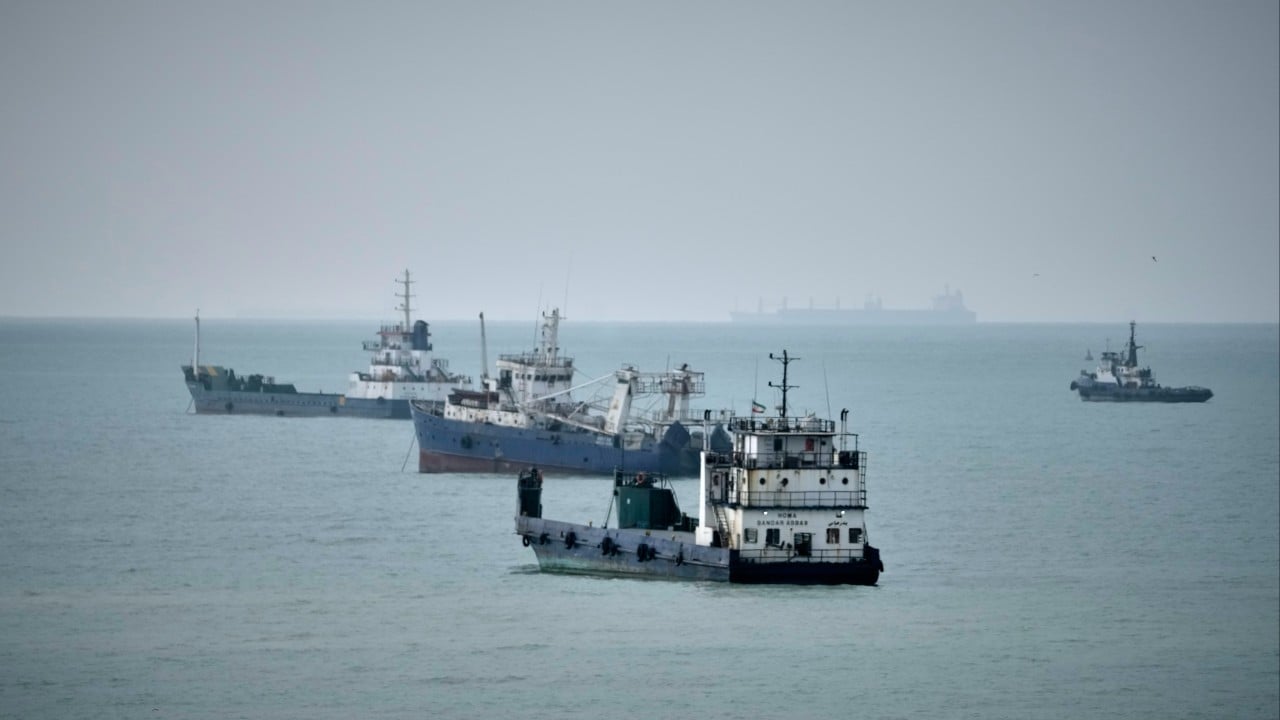
Washington wants naval assets in the Middle East, and Seoul is running out of ways to say no.
South Korea is currently walking a tightrope. President Donald Trump has made open complaints that Seoul offered zero assistance during the ongoing conflict with Iran, singling out the Asian powerhouse for failing to pitch in. Behind closed doors, White House pressure has intensified. Now, South Korean officials admit they are weighing "contributions" to security operations in the Strait of Hormuz.
If you look past the diplomatic double-speak, this isn't just about protecting shipping lanes. It is a high-stakes trade-off involving alliance management, heavy industry investments in America, and long-standing security dependencies.
The Price of Alliance Maintenance
Why does Washington care so much about South Korea helping out in the Persian Gulf? Because optics matter. When the United States leads a coalition or counter-blockade, flying solo looks weak. Washington expects its core allies to share the burden, especially when global energy corridors are disrupted.
South Korea imports a massive share of its crude oil through the Strait of Hormuz. On paper, keeping that energy lifeline open is a direct national interest. In reality, Seoul spent months dodging the request. Officials worried that sending military personnel would drag the country into a messy Middle Eastern quagmire and provoke retaliation or economic blowback from Tehran.
Then the economic screws started turning. The Trump administration tied the defense discussions directly to trade friction, semiconductor investments, and core security issues like nuclear-powered submarine fuel negotiations. When Washington scales back joint military exercises, Seoul listens.
What South Korea Might Actually Send
If the administration in Seoul pulls the trigger, what does a deployment actually look like? Nobody is talking about landing thousands of combat marines on Iranian beaches. That would be political suicide at home.
Instead, defense reports indicate that the Ministry of National Defense is looking at specific non-combat or targeted support assets. Think of P-8 maritime patrol aircraft for tracking surface vessels and submarines, a naval logistics support ship, and explosive ordnance disposal (EOD) teams specialized in mine clearance.
This matches the playbook South Korea used decades ago during the Iraq War, where engineering and medical units handled support tasks to satisfy Washington without entering frontline combat. It keeps the deployment strictly defensive, aiming to protect national flagged vessels rather than wage offensive war.
The Crunch Time Deadline
Seoul cannot stall forever. Washington has signaled that it wants a concrete decision on Strait of Hormuz assets by November.
Because South Korea operates as a vibrant, noisy democracy, any troop dispatch requires formal National Assembly ratification. Passing a deployment bill takes weeks of political wrangling, committee reviews, and fierce public debate. Ruling party lawmakers are already warning against the risks of entanglement. This means the presidential office has to formalize its stance and submit a motion before domestic political opposition hardens completely.
At the exact same time, Seoul is rushing to finalize major industrial investment projects inside the United States—like the Texas gas-fired power plant deal—to prove good faith.
Governments rarely make foreign policy choices in a vacuum. South Korea is trading military assets in the desert for breathing room in trade talks and security concessions closer to home. Expect a compromise package by autumn: limited naval support units, carefully worded parliamentary limits, and a quiet sigh of relief in Washington.